
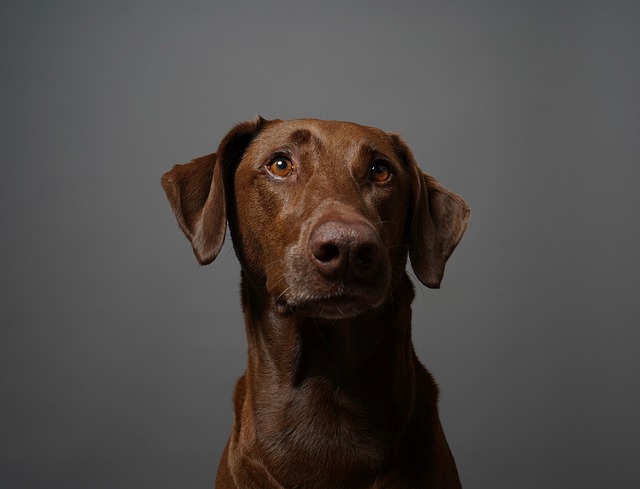
What is glaucoma in a dog?
You might notice your dog squinting more at mealtime or avoiding bright sunlight—these small changes could be early signs of a serious eye condition.
You’re cruising California’s Pacific Coast Highway with your terrier mix, Charlie, when sudden braking sends him tumbling from the backseat. That heart-stopping moment makes you eye those plush booster seats at the pet store—but do they actually help, or are they just Instagram fluff? Let’s navigate the road between safety and gimmick.
Biomechanically, booster seats serve two critical functions: They elevate small dogs for better window views (reducing motion sickness) and contain them during impacts. A Michigan State study found dogs under 25lbs in crash-tested boosters were 72% less likely to suffer spinal injuries in 30mph collisions. But not all seats deliver—avoid "hammock-style" models without rigid frames; they let dogs become projectiles. Test yours: Shake it vigorously. If the buckles rattle or fabric stretches, it won’t withstand real-world forces.
Safe usage requires conditioning. First, let Charlie explore the seat at home with treats scattered inside—never force confinement. Practice 5-minute "parked car" sessions with the engine off, rewarding calm behavior. Gradually increase duration over a week. For anxious pups, tuck a worn T-shirt inside for familiar scents. Yanking a trembling dog into the seat violates EU animal transport regulations and U.S. welfare norms—positive reinforcement prevents future vet visit trauma.
Legal pitfalls hide in plain sight. In Germany and 13 U.S. states, dogs must be secured separately from human seatbelts—meaning boosters need dedicated LATCH connectors or crash-tested tethers. Always attach rabies tags to the seat’s harness, not collars that could snag. And yes, even during "quick trips" to the groomer, carry waste bags—California fines $250 for uncollected rest-stop accidents.
Apartment logistics matter. Before buying that bulky booster, measure your trunk space—New Yorkers driving Mini Coopers often overlook storage headaches. Opt for foldable models with non-slip grips for Uber rides. Pro tip: Store the seat near your leash station; pairing it with walk routines builds excitement.
Breed-specific considerations save lives. Brachycephalic breeds (Bulldogs, Pugs) need elevated seats with airflow cutouts to prevent overheating. Deep-chested Danes? Skip boosters entirely—their size requires crash-tested crates. And never use seats as "time-out zones"—associating confinement with punishment breeds car phobia.
The verdict? Quality boosters are lifesavers for small dogs when paired with gradual training. That $75 crash-certified seat costs less than a $3,000 spinal surgery. But remember: No seat replaces vigilance. Pull over if Charlie paces—his distress signal could prevent disaster. Responsible ownership means buckling up your heart along with your hound.
You might notice your dog squinting more at mealtime or avoiding bright sunlight—these small changes could be early signs of a serious eye condition.

Let’s set the scene: It’s a sweltering Phoenix afternoon—105°F outside—and you rushed your 2-year-old Lab mix, Cooper, on a quick walk to “get it over with.”
Let’s get real: You’re in your Miami apartment, watching your 3-year-old Corgi, Loki, struggle to climb the stairs to your second-floor unit.
Many dog owners brush off occasional scratching as just “dog behavior,” but persistent itching often signals something more—like a food allergy.

You might first notice your dog scratching more than usual—chewing at their paws until the fur looks thin, or rubbing their face against the couch nonstop.
Let’s be real: You’re standing in your Chicago apartment, watching your 3-year-old Beagle, Max, huff and puff just to climb onto the couch.