

How do i train my dog to be obedient?
Watching your dog dart across the park ignoring your calls isn’t just frustrating—it can put them at risk near busy streets or public spaces.
Samoyeds carry that signature smile, but don’t let it fool you—their brains are always working, plotting the next adventure or snack heist. Training these fluffy dynamos isn’t impossible, but it demands patience, creativity, and a bag of very good treats.
Their intelligence is sharp, but so is their independence. Bred to work alongside humans in harsh Arctic conditions, they learned to make decisions on their own. This means they’ll listen… when it suits them. “Sit” might work indoors but vanish at the park when a squirrel darts by.
Start young, but don’t panic if you rescue an older Samoyed. Puppies soak up basic commands like “come” and “stay” faster, but adults can learn too—they just need more consistency. Short, 10-minute sessions work better than marathon drills; their attention wanders quickly.
Positive reinforcement is non-negotiable. Yelling or punishment shuts them down, making them withdraw or stubbornly refuse. A high-value treat (think cooked chicken) or enthusiastic praise when they nail a command? That’s how you win their cooperation. They want to please, but only on their terms.
Socialization matters more than perfect obedience. Expose them to other dogs, kids, and new environments early—puppy classes are ideal. Many regions offer licensed training programs that focus on gentle methods, aligning with local animal welfare guidelines. Skipping this step can lead to shy or reactive behavior.
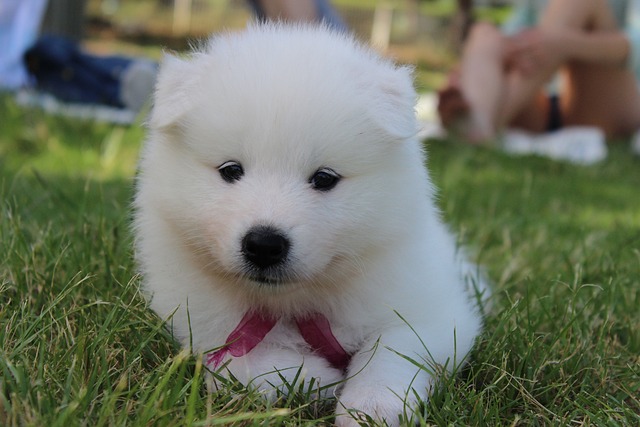 Leash training tests even experienced owners. Their strong pull stems from their sledding heritage—those muscles were built to haul loads. A no-pull harness gives you more control without choking them, and rewarding loose-leash walking with frequent stops to sniff keeps them motivated.
House training requires vigilance. Samoyeds hate being dirty, but their stubborn streak might make them wait to eliminate until they find “the perfect spot.” Stick to a schedule: after meals, naps, and playtime, head outside immediately. Celebrate every success like it’s a victory—because it is.
They thrive on mental stimulation as much as physical exercise. Puzzle toys, scent games, or even learning tricks like “spin” or “high five” tire them out more than a long walk. A bored Samoyed becomes a destructive one, chewing shoes or digging holes to amuse themselves.
Consistency across all family members helps. If one person lets them jump on the couch and another scolds them for it, they’ll get confused. Simple rules—like waiting to eat until told—teach them structure, which they secretly crave beneath that free-spirited exterior.
Training a Samoyed is less about “easy” and more about partnership. They’ll challenge you, make you laugh, and occasionally leave you shaking your head. But when they trot over, tongue lolling, after nailing a command they’ve struggled with? That connection makes every frustrating moment worth it.
They’re not the breed for first-time owners who want a dog that blindly follows orders. But for those willing to meet their energy and wit halfway? A well-trained Samoyed is a joy—loyal, playful, and always ready to turn a walk into an adventure, with just enough obedience to keep things safe.
Watching your dog dart across the park ignoring your calls isn’t just frustrating—it can put them at risk near busy streets or public spaces.

New puppy owners often find themselves rushing to clean up accidents before they set in, and that’s where puppy pad training becomes a game-changer.

If you've noticed your dog's waistline disappearing and your veterinarian has mentioned those few extra pounds, your first instinct might be to simply reduce the amount of food in their bowl.

Training a dog to use a designated spot indoors isn’t as daunting as many new owners fear, but it does take consistency and an understanding of your pet’s needs.

That moment of dread on a walk is all too familiar for many new dog owners. You see another dog approaching down the sidewalk of your neighborhood
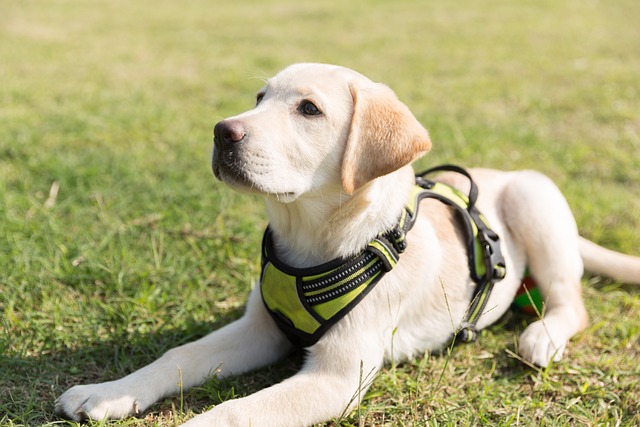
If the sight of another dog on your neighborhood walk makes your heart sink as your own dog erupts into a frenzy of barking and lunging, you're not alone.