
How can I tell if my dog's heatstroke is serious
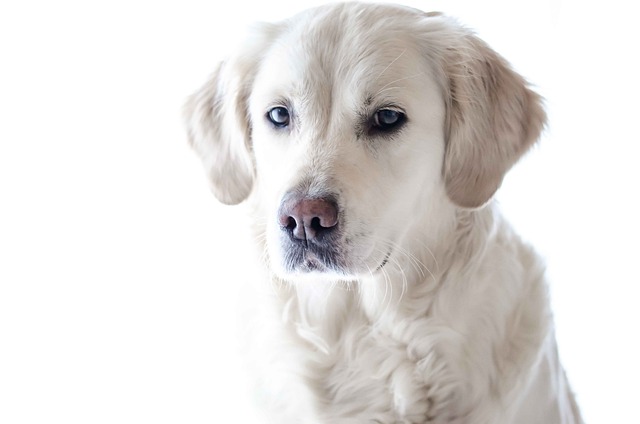
Let’s be real: It’s a sticky August morning in Los Angeles, and you took your 2-year-old Golden Retriever, Max, for a walk a little later than usual
If you’ve ever watched your dog circle the backyard on a sweltering July afternoon, nose to the ground, searching for a patch of shade that doesn’t exist, you’ve probably thought: Would a small pool help? New dog parents in Texas, Florida, and beyond often eye those plastic kiddie pools or foldable dog-specific ones at Petco, wondering if they’re worth the money—or just a recipe for a muddy mess. If your Lab mix dives into every puddle after rain or your Pug pants so hard you worry, let’s unpack whether small pools are a good idea for your pup.
Here’s the simple science: Dogs overheat way faster than we do. They can’t sweat through their skin like humans; instead, they rely on panting and releasing heat through their paw pads. On 90°F days, this system struggles—especially for brachycephalic breeds (think Pugs, Bulldogs, or Shih Tzus with short snouts) who can’t pant efficiently. A small pool gives them a way to cool down from the outside in: standing or lying in cool water lowers their body temperature directly, taking pressure off their panting. It’s not just about comfort—for active breeds like Border Collies or high-energy puppies, a 10-minute splash session burns off energy and keeps them safe from heat stress. Unlike a hose spray (which can startle some dogs), a pool lets them control how much they cool off, stepping in and out as needed.
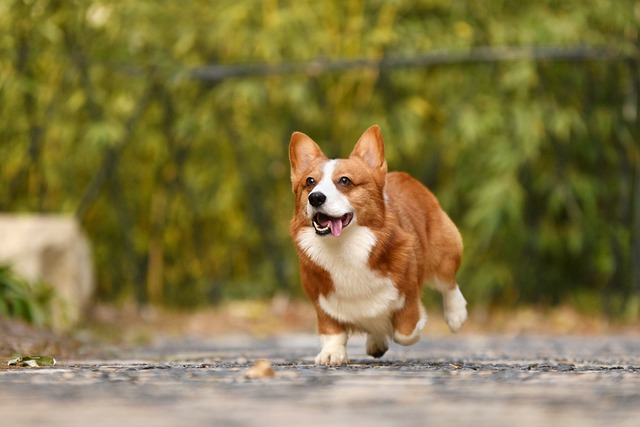
So, how do you pick and use a small pool the right way? Start with size: A pool that’s too tiny (think a 2-foot diameter for a Golden Retriever) will tip over; aim for one where they can stand, turn around, and lie down without touching the sides. Go for sturdy, non-slip material—plastic pools with textured bottoms work better than smooth ones (no one wants a slipping pup). Introduce it slowly: Fill it with 2-3 inches of water (too deep scares them), toss in a floating toy, and let them sniff it. When they dip a paw in, praise wildly and offer a treat—positive reinforcement turns “weird new thing” into “fun spot.” Never leave them unsupervised, especially puppies (they might chew the pool) or nervous dogs (they could panic). Drain and clean it weekly to avoid algae—no one wants a slimy pool, and stagnant water attracts bugs.
Now, let’s tie this to living responsibly with your pup. First, health basics: Keep their rabies vaccine up to date (it’s the law in all 50 states) and schedule regular vet checks—overheating can hide other issues, like heart problems. When using the pool outdoors, remember community rules: If you’re in an apartment, place a tarp under it to catch splatters (no one likes a wet hallway) and avoid using it during quiet hours (your neighbor working from home doesn’t need splash noises at 9 AM). On walks, even with a pool at home, always carry water and poop bags—fines for skipping cleanup hit $200 in cities like Seattle. And never, ever scold a dog for avoiding the pool—fear of water is common, and patience (plus more treats) works better than pushing.
Small pools aren’t a must-have, but for many dogs, they’re a game-changer. They turn hot days from miserable to manageable, let your pup play safely, and even strengthen your bond—there’s nothing like laughing while your dog splashes, then drying them off for a post-pool nap.
Let’s be real: It’s a sticky August morning in Los Angeles, and you took your 2-year-old Golden Retriever, Max, for a walk a little later than usual
You're enjoying a summer afternoon at the park when you notice your dog has stopped panting and appears disoriented - their gums are bright red
Let’s paint the picture: You’re in your Denver apartment, watching your 4-year-old Boston Terrier, Ruby, plop down mid-play session with her favorite toy

Many dog owners notice their pets nails seem shorter after regular walks,but how much does this daily activity actually help?The answer depends on where you walk—concrete sidewalks or asphalt streets gently file nails as a dog's paws hit the ground
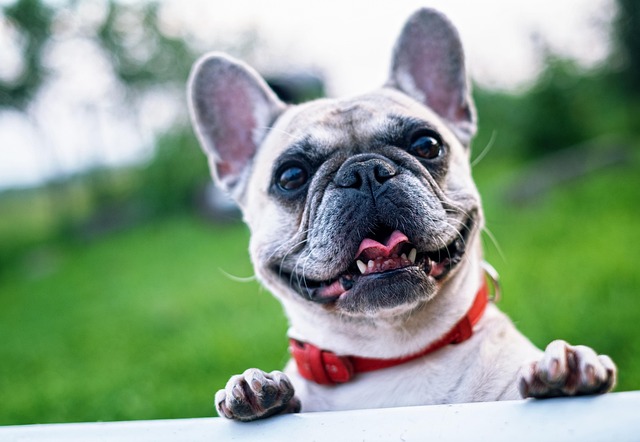
Most dog owners notice their pup scooting across the carpet at some point, but few connect it to impacted anal glands. These small sacs near a dog’s rectum secrete a scent for marking territory
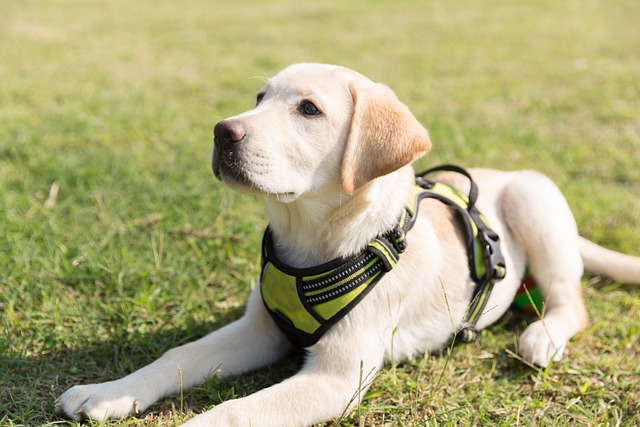
Most vets agree that regular dog teeth cleaning is key to avoiding painful dental issues later. For healthy adult dogs, a professional cleaning at the vet’s office every 12 to 18 months usually works well.