

How can I tell if my dog's heatstroke is serious
Let’s be real: It’s a sticky August morning in Los Angeles, and you took your 2-year-old Golden Retriever, Max, for a walk a little later than usual
The sunlight shines on the lawn, where a dog that was originally playing lively suddenly growls at a passing stranger, with its fur standing up and its eyes alert. At that moment, the owner is filled with confusion and worry: why has the originally gentle little guy suddenly become like this? At what age do dogs start showing signs of aggressive behavior? This question affects the hearts of all pet owners. A dog's growth is like a book full of unknowns, and the appearance of signs of aggressive behavior may be an unpleasant chapter that needs to be carefully interpreted. We are eager to understand the reasons behind it and use professionalism and love to help dogs successfully pass through the stages where problems may occur, safeguarding their health and gentleness.
In the puppy stage, usually around 3-6 months old, early signs of aggressive behavior may begin to appear, but the "aggression" at this time mostly stems from exploration and learning. Puppies at this stage are in a critical period of socialization. They are curious about the world and are also learning how to get along with the surrounding environment, other animals, and humans. When playing with peers, puppies may exhibit behaviors such as gentle biting and jumping, which are actually their simulation of hunting and social interaction. However, if not properly guided, these behaviors may gradually evolve into threatening aggression. For example, when a puppy bites the owner's hand hard during play, if the owner does not stop it in time and give correct feedback, the puppy may mistakenly think that this behavior is allowed. As it grows older and its biting force increases, this behavior may cause harm. When seeing the originally cute puppy baring its small sharp teeth, although it looks a bit "fierce," the owner should understand that this is a critical period for education and guidance, rather than just a cute act.
In addition, if puppies experience fear or unpleasant events at this stage, they may also show signs of aggressive behavior prematurely. For example, being frightened by a sudden loud noise or encountering the intimidation of other animals, these experiences will leave a shadow in their little hearts. When facing similar scenes again, in order to protect themselves, puppies may try to drive away the threat by growling, baring their teeth, and other behaviors, even though they may be full of fear inside. At this time, the puppy is like a frightened child, using a seemingly fierce appearance to cover up its inner fear, and the owner's comfort and correct guidance are crucial to them.
When entering the sexual maturity stage, generally between 6-12 months old, the signs of a dog's aggressive behavior may increase significantly. Hormonal changes brought about by sexual maturity can change a dog's personality and behavior. Male dogs may become more territorial during this period. In order to compete for mating rights or maintain their territory, they will show aggression towards other male dogs, often declaring their sovereignty through barking, ramming, or even fighting. Female dogs may become restless and more sensitive to surrounding disturbances during estrus, and may also exhibit aggressive behavior. Watching the once-gentle dog become irritable and aggressive due to sexual maturity, the owner is both helpless and distressed, understanding that this is a normal physiological reaction in their growth process, but also worrying that this behavior will bring adverse consequences.

For adult dogs, around 1-3 years old, it is a stage with more complex aggressive behaviors. At this time, the dog's body and mind are gradually maturing. If it did not receive good socialization training and behavioral norms education during the puppy stage, the aggressive behavior may further intensify. They may attack other animals or strangers because of guarding food, toys, or protecting their owners and territory. Some dogs at this stage will regard their owners as objects they need to protect. When they feel that their owners are threatened, they will not hesitate to step forward, even if facing a larger opponent. This protective aggression, although reflecting the dog's loyalty to the owner, may also trigger dangers. When the owner sees the dog becoming fierce to protect themselves, they are both moved and worried, and deeply know that they need to guide this loyalty to be expressed in a safer way.
As dogs grow older and enter old age (generally over 7 years old), they may also show signs of aggressive behavior, but the reasons are different from before. The physical functions of senior dogs decline, and they are prone to various diseases, such as arthritis, vision and hearing loss, etc. Physical pain and weakened perception abilities will make them sensitive and irritable. When the owner inadvertently touches their painful parts or approaches them without their notice, senior dogs may suddenly attack out of self-defense. Watching the once-vibrant dog become irritable due to aging and illness, the owner is filled with distress, understanding that this is them telling their physical discomfort, and they will give more care and attention.
From puppyhood to old age, dogs may show signs of aggressive behavior at different stages, and each sign has its unique reasons. As owners, we should give sufficient attention, scientific training, and warm love at each stage of the dog's growth. In the puppy stage, focus on socialization training and behavioral norms; in the sexual maturity stage, understand and guide their physiological changes; in adulthood, strengthen good behavioral habits; and in old age, give more patience and care. Only in this way can we help dogs avoid or reduce the occurrence of aggressive behavior, let them spend a happy life in love and understanding, and continue to be the warmest company in our lives.
Let’s be real: It’s a sticky August morning in Los Angeles, and you took your 2-year-old Golden Retriever, Max, for a walk a little later than usual

You're enjoying a summer afternoon at the park when you notice your dog has stopped panting and appears disoriented - their gums are bright red

Let’s paint the picture: You’re in your Denver apartment, watching your 4-year-old Boston Terrier, Ruby, plop down mid-play session with her favorite toy

Many dog owners notice their pets nails seem shorter after regular walks,but how much does this daily activity actually help?The answer depends on where you walk—concrete sidewalks or asphalt streets gently file nails as a dog's paws hit the ground
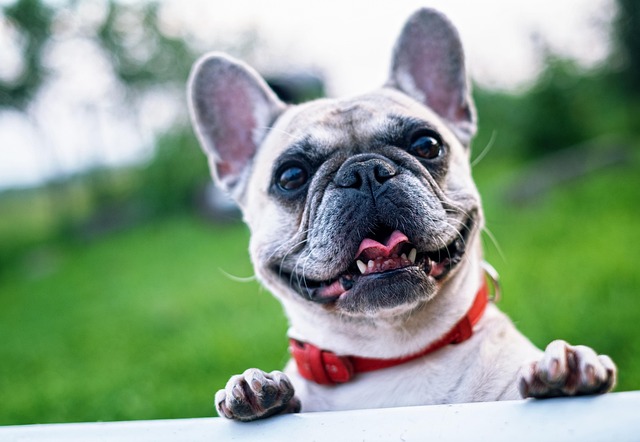
Most dog owners notice their pup scooting across the carpet at some point, but few connect it to impacted anal glands. These small sacs near a dog’s rectum secrete a scent for marking territory
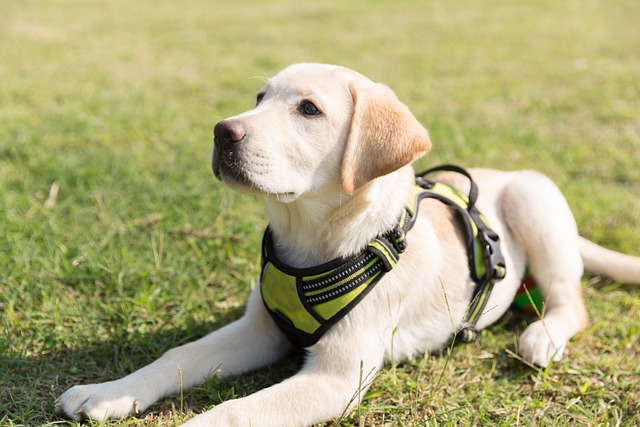
Most vets agree that regular dog teeth cleaning is key to avoiding painful dental issues later. For healthy adult dogs, a professional cleaning at the vet’s office every 12 to 18 months usually works well.