

How can I tell if my dog's heatstroke is serious
Let’s be real: It’s a sticky August morning in Los Angeles, and you took your 2-year-old Golden Retriever, Max, for a walk a little later than usual
That heart-sinking moment when you step barefoot into a warm puddle near your Brooklyn apartment’s balcony door—your 4-month-old Dachshund has struck again. You scrub the floor wondering if this phase will ever end. Most puppies conquer indoor accidents between 4-6 months, but urban living and breed quirks can stretch this timeline. Let’s untangle what’s normal and how to speed up success.
Biologically, puppies gain reliable bladder control when their nervous system fully myelinates around 6 months. Small breeds like Chihuahuas often take until 8 months—their pea-sized bladders mature slower—while Labrador pups might master it by 5 months. UCLA research shows apartment pups take 23% longer than suburban dogs because elevator rides and limited outdoor access fracture routines. Watch for readiness signals: If your pup paws at the door before peeing or holds it during 3-hour naps, their body’s catching up.
Training success hinges on three pillars: confinement, timing, and chemistry. Use exercise pens on waterproof mats near your balcony door during unsupervised hours—never grant full bedroom freedom early. After naps or play sessions, leash your pup and stand silently in their designated potty zone for exactly 15 minutes. If they eliminate, reward instantly with high-value chicken; if not, return inside calmly. For accidents, protease-based enzyme cleaners are non-negotiable. Vinegar and baking soda fail to dissolve uric acid crystals that draw repeat offenses to the same spot.

Here’s where owners slip up legally and socially. Never scold or rub noses in urine—this violates U.S. state animal cruelty laws and EU welfare directives while teaching pups to sneak-pee behind couches. During rushed "emergency" trips to building courtyards, ensure rabies tags remain visible on harnesses—Denver issues $300 fines for obscured IDs. And in pet-friendly L.A. complexes, balcony pee runoff onto neighbors’ terraces breaches HOA rules; use artificial grass trays with proper drainage.
Apartment dwellers face unique hurdles. Set phone alarms for 20 minutes post-drinking—high-rise elevator waits eat into tiny bladder windows. Place white noise machines against shared walls to contain crate-training whimpers and avoid noise complaints. Always stash extra waste bags in your hallway emergency kit; one accidental puddle near mailboxes can ignite neighbor wars.
Relapses scream for detective work. Pups raised on pee pads often struggle transitioning to grass—move pads incrementally toward the door over weeks. Sudden accidents in trained 6-month-olds may signal UTIs, especially in females. Fireworks or construction noise can trigger fear-based backslides—revert to hourly potty breaks without frustration.
Sync training with vaccination schedules. Until fully vaccinated (around 16 weeks), avoid public grass—use porch potties disinfected with pet-safe solutions. While most pups stay accident-free by 6 months, true reliability comes around 8 months. When your terrier finally nudges you to brave January sleet instead of your Persian rug? That victory tastes sweeter than any sleep-deprived midnight mopping session.
Let’s be real: It’s a sticky August morning in Los Angeles, and you took your 2-year-old Golden Retriever, Max, for a walk a little later than usual

You're enjoying a summer afternoon at the park when you notice your dog has stopped panting and appears disoriented - their gums are bright red

Let’s paint the picture: You’re in your Denver apartment, watching your 4-year-old Boston Terrier, Ruby, plop down mid-play session with her favorite toy

Many dog owners notice their pets nails seem shorter after regular walks,but how much does this daily activity actually help?The answer depends on where you walk—concrete sidewalks or asphalt streets gently file nails as a dog's paws hit the ground
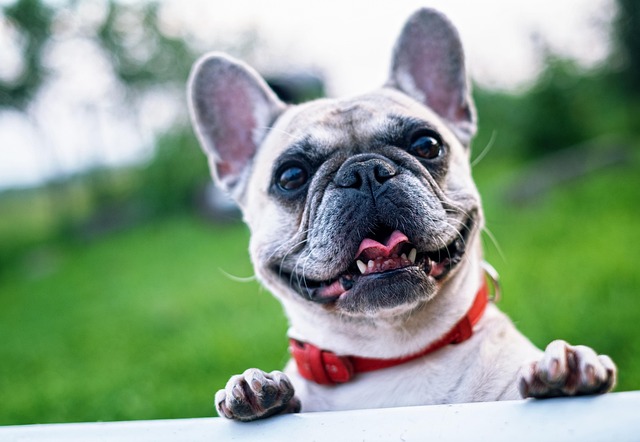
Most dog owners notice their pup scooting across the carpet at some point, but few connect it to impacted anal glands. These small sacs near a dog’s rectum secrete a scent for marking territory
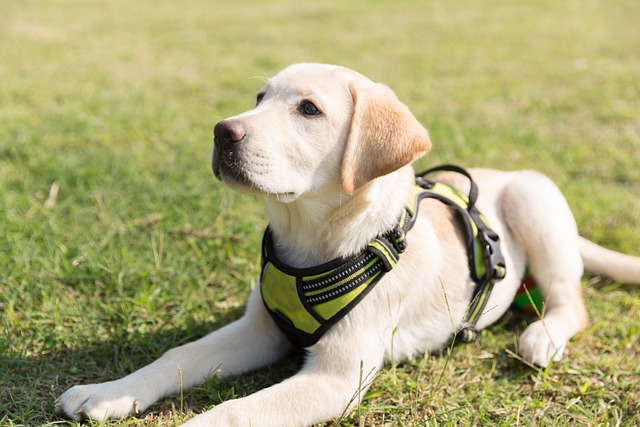
Most vets agree that regular dog teeth cleaning is key to avoiding painful dental issues later. For healthy adult dogs, a professional cleaning at the vet’s office every 12 to 18 months usually works well.