

How do i train my dog to be obedient?
Watching your dog dart across the park ignoring your calls isn’t just frustrating—it can put them at risk near busy streets or public spaces.
That adorable new puppy bundle of energy arrives, and visions of peaceful neighborhood walks fill your head. But when is the right time to clip on that leash and start teaching them the ropes? Rushing it can backfire, creating fear or frustration, while waiting too long misses a golden opportunity for easy learning. The sweet spot? Start introducing leash and collar concepts incredibly early, as young as 8-10 weeks old, but understand that actual outdoor walking practice comes later, tied critically to their vaccination status.
Think of leash training not as a single event, but as a layered process. The moment your puppy comes home (assuming they are at least 8 weeks old, the minimum recommended age for leaving their litter), you can begin foundational steps indoors. This early period is crucial for building positive associations before the big, distracting world enters the picture. Their little brains are sponges, primed for learning basic routines and forming positive connections with new experiences.
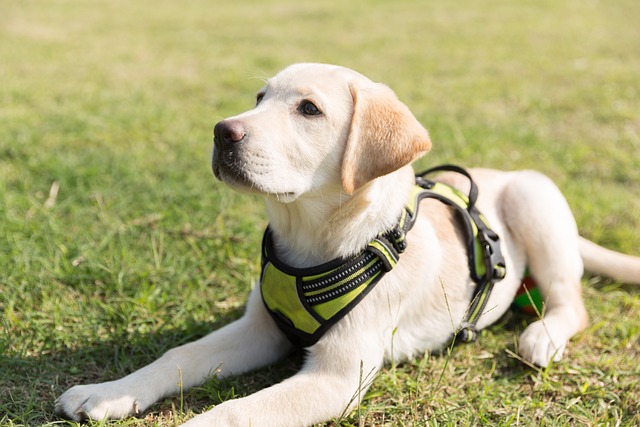
Step one: Introduce the collar (or harness) gently. Choose something incredibly lightweight, soft, and properly fitted – you should easily fit two fingers underneath. Let them sniff it first. Slip it on for very short periods (just a minute or two) while they're distracted by play, feeding, or cuddles. Pair it with high-value treats and calm praise. Gradually increase wearing time over days. The goal? For them to barely notice it's there. Never force it if they panic; keep sessions positive and brief. This builds comfort with wearing gear long before attaching a leash.
Step two: Introduce the leash... indoors! Once they're comfortable with their collar/harness, attach a very light, short leash (a 4-foot training lead works well). Let them drag it around supervised in a safe, puppy-proofed room for a few minutes at a time. Watch them closely to prevent tangling. Toss treats their way while it's on. Pick up the end occasionally, stand still, and reward them for coming towards you or looking at you. You're teaching them that the leash is no big deal and that interacting with you while it's attached is rewarding. Crucially: This indoor phase can start as early as 8-10 weeks.

When can we go outside? Here's the non-negotiable factor: Vaccinations. Taking an unvaccinated or partially vaccinated puppy into public spaces like parks, sidewalks, or areas frequented by other dogs poses a severe risk of contracting deadly diseases like Parvovirus, Distemper, or Leptospirosis. Veterinarians across the EU, UK, and US strongly advise avoiding public ground contact until your puppy has completed their full initial vaccination series, typically around 14-16 weeks old. Your vet will give the final all-clear based on your specific location and vaccination schedule. This is paramount for their health, overriding any eagerness for walks. Check local ordinances too; some areas explicitly prohibit unvaccinated dogs in public spaces for disease control.
So, what about "walks" before 14-16 weeks? Focus on safe alternatives! Carry your puppy (use a sling if needed) to experience sights and sounds without ground contact. Practice your indoor leash skills in your own secure, private backyard – assuming no unvaccinated dogs have accessed it recently. This is the perfect, low-distraction environment to start practicing the real basics: following you with a loose leash for a few steps, learning that pulling makes movement stop, and getting rewarded for checking in with you. Keep sessions incredibly short (2-5 minutes max) and fun – puppies have tiny attention spans.
Key techniques for success (indoors and safe outdoor spaces):
Treat Magnet: Hold a tasty treat near your leg to lure them into walking beside you for a few steps. Reward frequently!
Stop & Go: The instant they pull, stop walking completely. Stand still and wait patiently. The moment the leash loosens (even slightly because they glance back or take a step back), mark it ("Yes!"), reward, and start walking again. This teaches cause and effect: Pulling = Stopped. Loose Leash = Moving & Treats.
Change Direction: Gently turn and walk the other way if they start to forge ahead, encouraging them to follow you. Reward when they catch up.
Keep it Positive & Short: End sessions before they get tired or frustrated. Lots of praise, play, and tiny, high-value treats (think boiled chicken bits, cheese) are essential.
What about equipment? A well-fitted, lightweight harness (especially a Y-front design for comfort) is often gentler on a puppy's developing neck and offers more control than a collar alone during this learning phase. Avoid retractable leads – a standard 4-6 foot fixed leash provides consistent feedback and safety. Ensure their collar (worn alongside the harness) has up-to-date ID tags, as legally required in most jurisdictions once they step paw outside your property.
Patience is everything. Don't expect perfect loose-leash walking overnight. At 14-16 weeks, when you finally hit the public sidewalks, they'll still be easily distracted. Continue the positive reinforcement techniques consistently. The foundation you build indoors and in your yard during those early weeks makes the transition to real walks infinitely smoother and sets them up for a lifetime of enjoyable strolls. Starting the process young is key, even if the full outdoor experience waits for their health protection. Always prioritize their safety and make it fun!
Watching your dog dart across the park ignoring your calls isn’t just frustrating—it can put them at risk near busy streets or public spaces.

New puppy owners often find themselves rushing to clean up accidents before they set in, and that’s where puppy pad training becomes a game-changer.

If you've noticed your dog's waistline disappearing and your veterinarian has mentioned those few extra pounds, your first instinct might be to simply reduce the amount of food in their bowl.

Training a dog to use a designated spot indoors isn’t as daunting as many new owners fear, but it does take consistency and an understanding of your pet’s needs.

That moment of dread on a walk is all too familiar for many new dog owners. You see another dog approaching down the sidewalk of your neighborhood
If the sight of another dog on your neighborhood walk makes your heart sink as your own dog erupts into a frenzy of barking and lunging, you're not alone.