

What is glaucoma in a dog?
You might notice your dog squinting more at mealtime or avoiding bright sunlight—these small changes could be early signs of a serious eye condition.
You might notice your dog's breath isn't exactly minty fresh after a playful romp in the park—that's often the first clue something's off with their oral health. Ignoring this can lead to serious issues like periodontal disease, where bacteria buildup causes inflamed gums, tooth loss, and even heart or kidney problems down the line. In fact, over 80% of dogs show signs of dental disease by age three, according to the American Veterinary Medical Association, making a solid dog dental hygiene routine essential for avoiding costly vet bills and keeping your furry friend happy. Start by recognizing that daily attention prevents long-term pain; it's not just about fresh breath but overall wellbeing, especially in busy American households where time flies.
Brushing your dog's teeth might seem daunting if they squirm away, but it's the gold standard for removing plaque before it hardens into tartar. The science is simple: regular brushing disrupts bacterial colonies that cause decay, much like it does for us. To do it right, first pick a dog-specific toothpaste—never human ones as they contain harmful xylitol—and a soft-bristled brush or finger brush. Introduce it slowly: let them sniff the paste, then gently lift their lip to brush in small circles, focusing on the gum line. Aim for daily sessions, but even three times a week helps; reward with praise or a small treat to build positive associations. Remember, in the U.S., animal welfare laws emphasize humane training methods, so avoid any force—positive reinforcement aligns with cultural norms against punishment, turning this into a bonding moment rather than a chore.
What your dog eats plays a big role in their dental health, as certain diets naturally scrub teeth during chewing. Foods designed for oral care, like kibble with a crunchy texture or VOHC-approved dental diets, work by mechanically scraping off plaque as your dog crunches down. Look for options with added enzymes or antioxidants that fight bacteria; brands like Hill's Science Diet or Purina Pro Plan Dental are popular in U.S. pet stores for good reason. Incorporate these as part of your dog dental care diet tips by mixing them with regular meals or using dental treats as rewards. For apartment dwellers, where space is tight, opt for smaller kibble sizes to encourage thorough chewing without mess—it's an easy habit that fits into any routine.
Chew toys aren't just fun distractions; they're dental superheroes that reduce plaque by up to 70% with consistent use. When your dog gnaws on a sturdy toy, the abrasive action polishes teeth and massages gums, promoting blood flow and preventing tartar buildup. Choose durable options like rubber Kong toys or dental-specific chews from brands like Nylabone, which are widely available at U.S. retailers like PetSmart. Rotate them weekly to keep interest high, and supervise to avoid choking—ideal for urban settings where dogs need indoor enrichment. This ties into chew toys for dog dental health by making playtime productive; it's a low-effort addition that complements brushing, especially for dogs who resist the brush.
Building the best dental care routine for dogs means weaving brushing, diet, and toys into a seamless daily flow. Start mornings with a quick tooth-brushing session, followed by dental kibble at meals, and end the day with a chew toy session to unwind. Keep it simple: set reminders on your phone for consistency, and involve the whole family to make it fun. For community harmony, like in shared apartment buildings, ensure toys are quiet to avoid neighbor complaints—it's part of respectful pet ownership under local noise ordinances. This integrated approach ensures coverage without overwhelm, turning dog dental hygiene routine into second nature.
Despite your best efforts, watch for red flags like excessive drooling, bleeding gums, or reluctance to eat—these signal it's time to call the vet. Regular professional cleanings are crucial, as they remove deep tartar that home care can't reach; the American Animal Hospital Association recommends annual checkups. In the U.S., vets often check overall health during these visits, including vaccine updates required by state laws, so don't skip them. Early intervention prevents minor issues from escalating, safeguarding your dog's smile for years to come.
You might notice your dog squinting more at mealtime or avoiding bright sunlight—these small changes could be early signs of a serious eye condition.
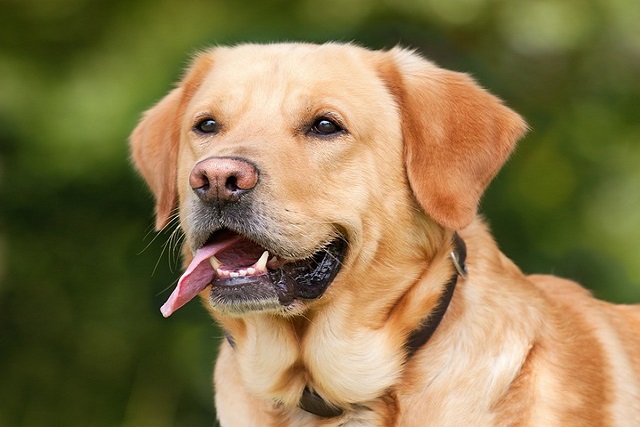
Let’s set the scene: It’s a sweltering Phoenix afternoon—105°F outside—and you rushed your 2-year-old Lab mix, Cooper, on a quick walk to “get it over with.”

Let’s get real: You’re in your Miami apartment, watching your 3-year-old Corgi, Loki, struggle to climb the stairs to your second-floor unit.

Many dog owners brush off occasional scratching as just “dog behavior,” but persistent itching often signals something more—like a food allergy.

You might first notice your dog scratching more than usual—chewing at their paws until the fur looks thin, or rubbing their face against the couch nonstop.

Let’s be real: You’re standing in your Chicago apartment, watching your 3-year-old Beagle, Max, huff and puff just to climb onto the couch.