
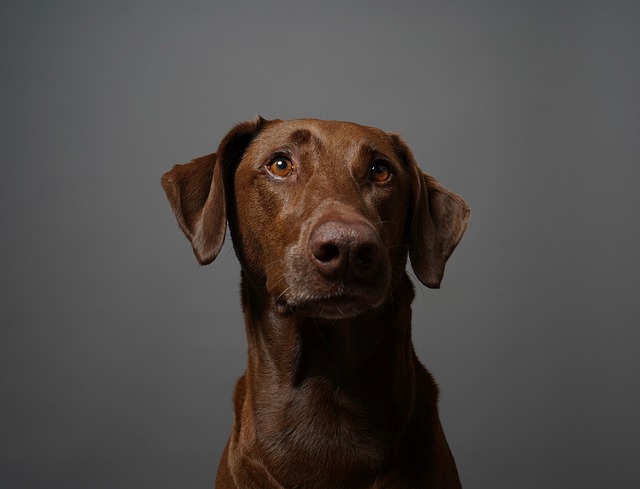
What is glaucoma in a dog?
You might notice your dog squinting more at mealtime or avoiding bright sunlight—these small changes could be early signs of a serious eye condition.
Small dogs might be tiny in size, but their dental problems can be surprisingly big. Those adorable little mouths often come with crowded teeth, making them prime targets for plaque buildup and gum disease. Ever noticed how your Chihuahua or Yorkie seems to develop tartar faster than larger breeds? That’s because their teeth are packed tightly together, creating perfect hideouts for bacteria. Generic dog toothpaste might claim to work for all sizes, but when it comes to small breeds, one size definitely doesn’t fit all.
Natural toothpaste for small dogs isn’t just a trendy buzzword—it’s a necessity. Many conventional products contain artificial flavors, foaming agents, or harsh abrasives that can irritate those delicate gums. Imagine scrubbing a teacup poodle’s teeth with something designed for a German Shepherd. Ouch. Ingredients like neem oil, coconut oil, and aloe vera don’t just clean gently; they also combat inflammation and bad breath without the chemical aftertaste. And let’s be honest, if your pup detects minty "medicine" vibes, good luck getting near their teeth again.
Breed-specific dog toothpaste takes customization to the next level. A Pomeranian’s dental needs differ from a Dachshund’s—thin enamel here, shallow gum pockets there. Veterinary studies show that toy breeds are prone to early tooth loss, which is why some formulas now include enzymes to strengthen weak dentin or probiotics to balance oral microbiomes. It’s like tailoring a skincare routine, but for fangs. Brands like TropiClean and Vet’s Best have cracked the code with petite-breed versions, using softer bristle guides and poultry-flavored pastes (because let’s face it, beef flavor won’t cut it for picky Shih Tzus).
Comparing generic vs. breed-specific toothpaste is like pitting a flip phone against a smartphone. Sure, both make calls, but one’s clearly outdated. Generic pastes often rely on vague "all-life-stages" labeling, while specialized options list targeted ingredients—think blueberry extract for antioxidant protection in Maltese or kelp for tartar control in Bichons. User reviews tell the real story: small dog owners report fewer struggles with breed-specific pastes, especially when dealing with dogs under 15 pounds who historically hate toothbrushing sessions.
Choosing the right toothpaste for small dog breeds starts with reading beyond the marketing. Flip that tube over: Xylitol? Instant red flag—toxic to dogs. Grainy texture? Too abrasive for tiny teeth. Look for the VOHC (Veterinary Oral Health Council) seal, opt for gel over paste if your dog resists brushing, and consider enzymatic formulas for seniors. Pro tip: introduce any new toothpaste by letting your dog lick it off your finger first. Positive association beats forced scrubbing any day.
When in doubt, lean toward trusted natural brands like PetSmile (their tiny-brush kit is genius) or Earthbath’s vanilla-ginger toothpaste—unusual flavors that curious small dogs actually tolerate. Remember, your French Bulldog isn’t just a "small dog"; they’re a brachycephalic breed needing extra gum care. That’s the difference between average oral care and exceptional, breed-conscious hygiene. Because nothing beats seeing your senior Yorkie still crunching kibble at age 14, thanks to a toothpaste that treated their mouth like the unique ecosystem it is.
You might notice your dog squinting more at mealtime or avoiding bright sunlight—these small changes could be early signs of a serious eye condition.
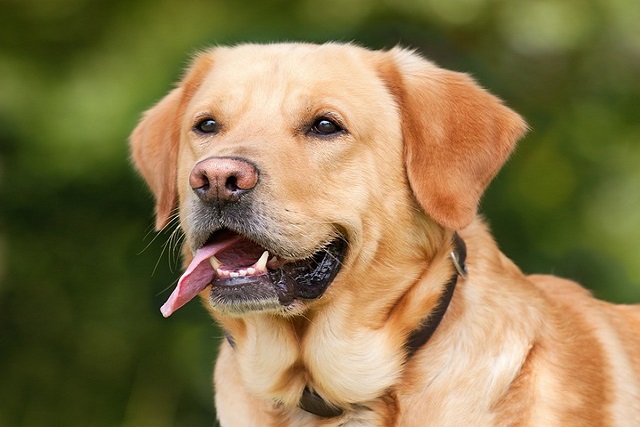
Let’s set the scene: It’s a sweltering Phoenix afternoon—105°F outside—and you rushed your 2-year-old Lab mix, Cooper, on a quick walk to “get it over with.”
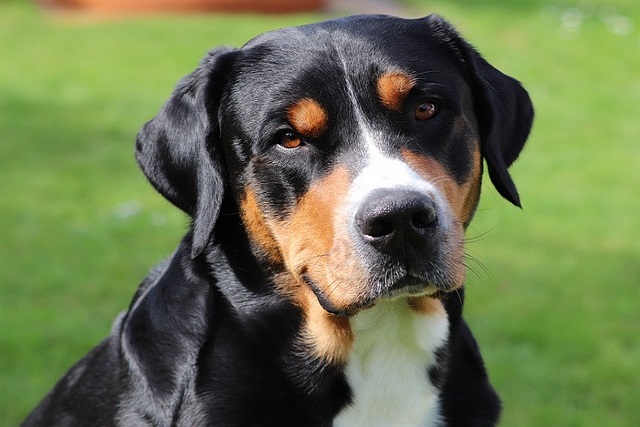
Let’s get real: You’re in your Miami apartment, watching your 3-year-old Corgi, Loki, struggle to climb the stairs to your second-floor unit.
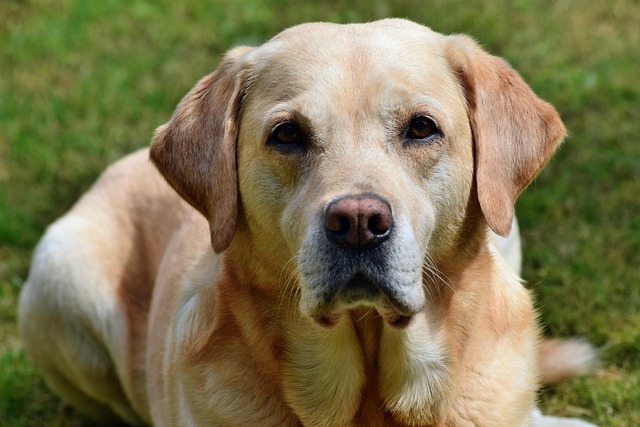
Many dog owners brush off occasional scratching as just “dog behavior,” but persistent itching often signals something more—like a food allergy.
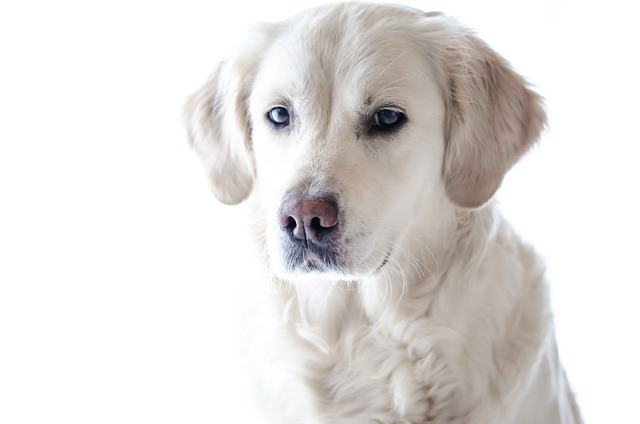
You might first notice your dog scratching more than usual—chewing at their paws until the fur looks thin, or rubbing their face against the couch nonstop.
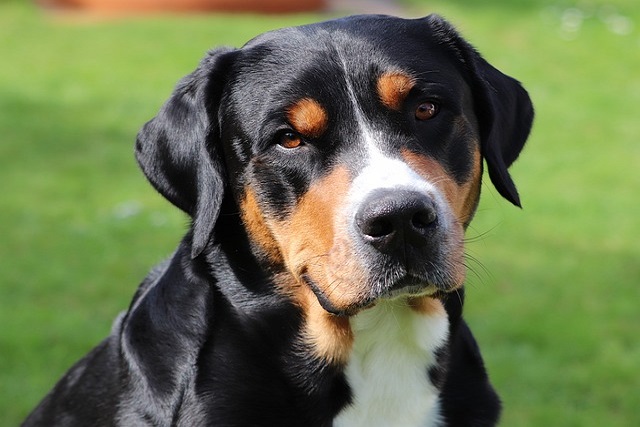
Let’s be real: You’re standing in your Chicago apartment, watching your 3-year-old Beagle, Max, huff and puff just to climb onto the couch.