
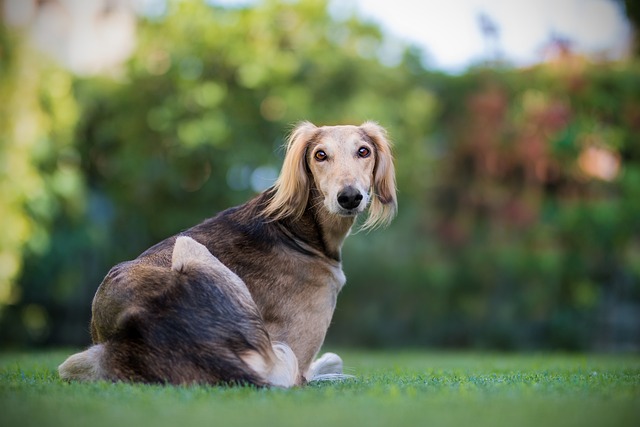
How do i train my dog to be obedient?
Watching your dog dart across the park ignoring your calls isn’t just frustrating—it can put them at risk near busy streets or public spaces.
When the summer sun bakes the pavement to a temperature hot enough to fry an egg, even the most eager puppy can turn training sessions into a game of "avoid the hot ground." New dog owners in places like Arizona, Texas, or Florida know the struggle: trying to teach "down" while your pup dances on tiptoes, paws lifting from scorching concrete, more focused on escaping the heat than your commands. This is where a good training mat becomes a game-changer—not just a piece of gear, but a tool to keep your dog comfortable, focused, and safe during hot weather training. Let’s break down what makes a training mat work in the heat, and which ones earn top marks from pros and pup parents alike.
Dogs rely on their paw pads for traction and sensory input, but those pads are surprisingly sensitive to heat. On a 90°F day, pavement can reach 145°F in just an hour—hot enough to burn skin, cause discomfort, or make even calm dogs anxious. A quality training mat creates a "cool zone" that insulates your dog from the hot ground, letting them relax enough to focus on your cues. The science is simple: materials that reflect heat (like light-colored fabrics) or resist heat absorption (thick rubber or mesh) keep the mat’s surface 10-15°F cooler than the surrounding ground. This temperature difference turns a stressful "stay on hot concrete" into a comfortable "lie on my cool mat," making training feel like a reward instead of a chore. For brachycephalic breeds like Bulldogs, who overheat faster, a cool mat isn’t just convenient—it’s a safety tool that prevents heat stress during longer sessions.
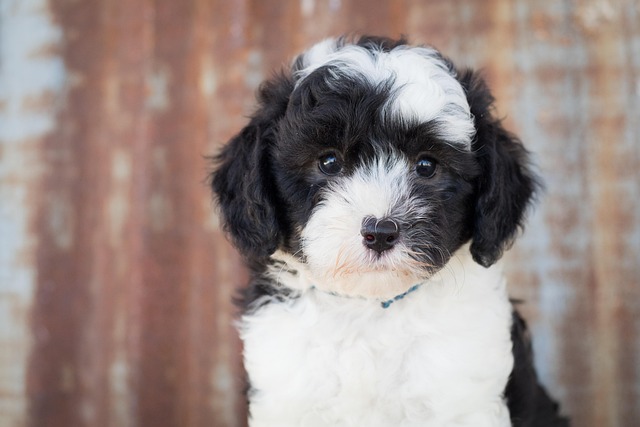
So, what should you look for in a hot weather training mat? Start with heat-resistant materials. Mesh mats with breathable, open-weave fabric work great—they let air circulate, preventing heat buildup, and dry quickly if splashed with water (perfect for post-training cool-downs). Rubber-backed mats are a close second: the rubber layer insulates from hot ground, while the textured top keeps your dog from slipping during "spin" or "paw up" commands. Portability is key too—look for foldable or roll-up designs that fit in your bag, so you can take them to the park, backyard, or even your apartment balcony. Size matters: aim for a mat large enough for your dog to lie down fully (a 3x4-foot mat works for most medium breeds like Beagles; larger breeds like Labs need 4x5 feet). Easy cleaning is a must—opt for machine-washable or wipeable materials to tackle dirt, slobber, or spilled water without hassle. A local trainer in Phoenix swears by lightweight mesh mats: "They’re tough enough for desert heat, and my clients’ dogs actually run to lie on them during breaks."
Now, let’s tie this to responsible summer training. First, always check local park rules—some public spaces restrict large mats to avoid blocking paths, so keep yours compact and portable. While prepping your mat, double-check that your dog’s rabies vaccine is up to date (required by law in all 50 states) before heading to shared training spots. Use the mat to reinforce positive behavior: when your dog steps onto it, praise warmly and offer a frozen treat—this turns the mat into a "happy place" they’ll seek out. In apartments, place the mat in a shaded balcony corner for morning sessions, and wipe it down weekly to prevent bacteria buildup. When training in communities, avoid leaving mats in high-traffic areas, and always pack poop bags (fines for skipping cleanup hit $150 in Denver) to keep shared spaces clean.
With the right mat, hot weather training doesn’t have to be a battle. It becomes a chance to bond, with your pup relaxed, focused, and ready to learn—even when the sun is blazing.
Watching your dog dart across the park ignoring your calls isn’t just frustrating—it can put them at risk near busy streets or public spaces.
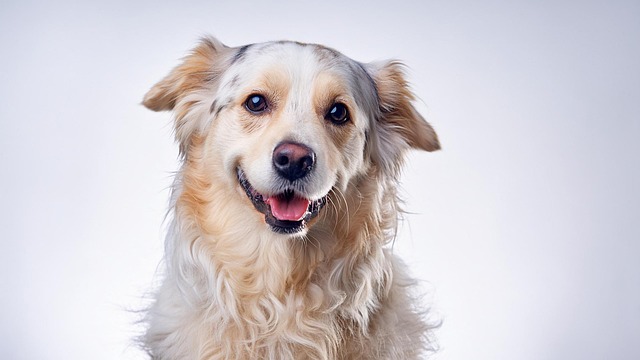
New puppy owners often find themselves rushing to clean up accidents before they set in, and that’s where puppy pad training becomes a game-changer.
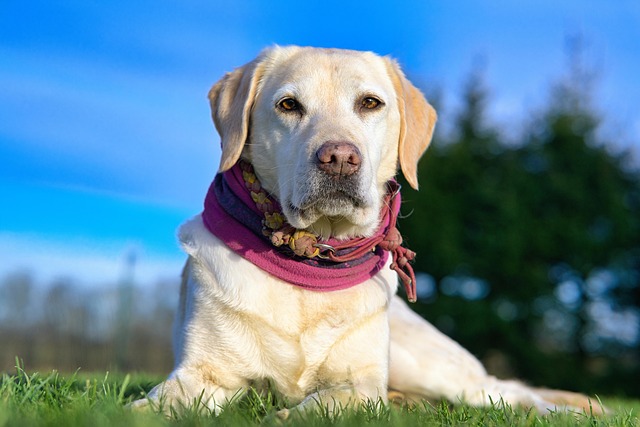
If you've noticed your dog's waistline disappearing and your veterinarian has mentioned those few extra pounds, your first instinct might be to simply reduce the amount of food in their bowl.

Training a dog to use a designated spot indoors isn’t as daunting as many new owners fear, but it does take consistency and an understanding of your pet’s needs.
That moment of dread on a walk is all too familiar for many new dog owners. You see another dog approaching down the sidewalk of your neighborhood
If the sight of another dog on your neighborhood walk makes your heart sink as your own dog erupts into a frenzy of barking and lunging, you're not alone.