
How do i train my dog to be obedient?
Watching your dog dart across the park ignoring your calls isn’t just frustrating—it can put them at risk near busy streets or public spaces.
Watching your dog stiffen at the approach of a stranger, maybe letting out a low growl or tucking their tail – it tugs at your heart, doesn't it? You want them to feel safe and happy meeting new friends, but forcing a wag feels impossible. Actually, successful introductions start long before the doorbell rings. It begins inside that furry head. Dogs experience the world through senses far sharper than ours. A new person isn't just a shape; they're an overwhelming blend of unfamiliar scents, sounds, and movements. Their stress often spikes when personal space feels invaded suddenly, or when past experiences whisper warnings. Trust isn't automatic; it's carefully built through consistent, positive associations where the dog feels in control. Understanding this internal landscape is your first step towards smoother greetings.
Many of us in the States face similar hurdles. Perhaps it's the anxiety during holiday gatherings when relatives descend, overwhelming a usually placid pup. Or the fear that surfaces during neighborhood walks when encountering joggers or kids on bikes – triggering lunges or frantic barking. Aggression, often rooted in deep-seated fear or feeling cornered, is another common, heart-wrenching challenge. That frantic retreat behind your legs? That’s fear speaking loudly. And let's not forget the over-exuberant greeter, whose jumping and nipping, born of excitement, can accidentally intimidate or even knock someone over. Recognizing these specific struggles is crucial; they highlight where our approach needs the most care.
So, how do we bridge this gap safely? It starts with preparation. Before introductions, ensure your dog is calm. A quick game of fetch or a quiet chew session can work wonders. Choose a neutral location initially, like a quiet park bench, avoiding the pressure-cooker environment of your dog's own home turf. Keep that leash loose! A tight leash screams tension to your dog. When the new person arrives, ask them to completely ignore your dog initially. No eye contact, no talking, no reaching out. Just stand sideways, projecting calm indifference. Let your dog make the first move, sniffing at their own pace from a safe distance. Watch your dog like a hawk. A loose, wagging body? Good. Lip licking, yawning, turning away, or stiffening? That’s their "I'm uncomfortable" signal. Immediately create more space if you see these signs. Only when your dog seems genuinely relaxed – maybe offering a glance or a gentle sniff – should the new person slowly offer a closed fist for investigation, palm down. Pair this with high-value treats tossed *away* from the person initially, creating a positive association without pressure. Keep initial interactions incredibly short and positive, ending before stress creeps in. This gradual, pressure-free approach is key to reducing dog stress when meeting new people.
Picture this common American scenario: The delivery driver rings the bell. Chaos erupts. Instead of wrestling your barking dog away, practice beforehand. Train a solid "place" command (like a mat) far from the door. When the bell rings, cue "place" and reward lavishly. Deliver the treat *away* from the door. Over time, the bell predicts treats on the mat, not a scary intruder. Or imagine introducing your dog to your new partner. Start with parallel walks in the park, no direct interaction. Have your partner occasionally toss delicious treats behind your dog as they pass. Gradually decrease distance over multiple sessions. Troubleshooting tip: If your dog reacts fearfully, don't scold. Calmly increase distance and try again later. If aggression surfaces, prioritize safety and consult a certified professional behaviorist immediately. These canine socialization techniques hinge on patience and reading the subtle signals.
Building lasting trust isn't a one-time event. It's woven into daily life. Reinforce those calm greetings consistently. After a successful, low-key introduction, continue having the new person periodically offer high-value treats during subsequent calm visits. Seek out controlled socialization opportunities – small, calm gatherings with dog-savvy friends who respect your dog's pace are golden. Pay attention to your dog's comfort level in diverse settings: the bustling farmer's market might be too much, but a quiet patio café could be perfect for gentle exposure. Celebrate the small victories – a relaxed tail wag instead of a bark, a curious sniff instead of a retreat. Every positive interaction builds their social confidence brick by brick. Remember, setbacks happen. Maybe a loud noise spooks them during a meetup. That's okay. Just go back a step, rebuild the positive association slowly, and keep reinforcing that new people predict good things. This consistent, gentle reinforcement is how you build unshakeable trust and ease over the long haul.
Watching your dog dart across the park ignoring your calls isn’t just frustrating—it can put them at risk near busy streets or public spaces.
New puppy owners often find themselves rushing to clean up accidents before they set in, and that’s where puppy pad training becomes a game-changer.
If you've noticed your dog's waistline disappearing and your veterinarian has mentioned those few extra pounds, your first instinct might be to simply reduce the amount of food in their bowl.

Training a dog to use a designated spot indoors isn’t as daunting as many new owners fear, but it does take consistency and an understanding of your pet’s needs.
That moment of dread on a walk is all too familiar for many new dog owners. You see another dog approaching down the sidewalk of your neighborhood
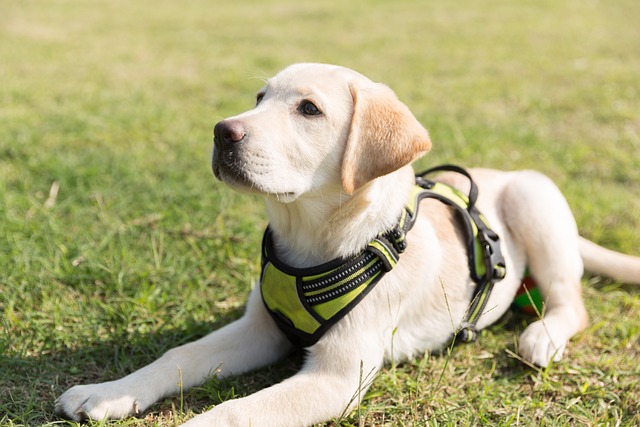
If the sight of another dog on your neighborhood walk makes your heart sink as your own dog erupts into a frenzy of barking and lunging, you're not alone.