

How can I tell if my dog's heatstroke is serious
Let’s be real: It’s a sticky August morning in Los Angeles, and you took your 2-year-old Golden Retriever, Max, for a walk a little later than usual
Ever find tumbleweeds of fur drifting across your floors like a miniature desert storm? That shedding is simply your dog's coat renewing itself. Think of it like human hair – old strands fall out to make way for new growth. This natural cycle, driven by hormones, daylight changes (photoperiod), and breed genetics, keeps their skin healthy. While frustrating, excessive shedding often signals something's off. A common myth I hear is that shaving a dog stops the fur flying. Actually, it disrupts their natural insulation and temperature regulation, potentially worsening skin issues and leading to uneven regrowth. Understanding this biological rhythm is the first step to managing it effectively, not fighting nature.
So, what's the best thing to give a dog to stop shedding? Often, the answer starts in the food bowl. That glossy, resilient coat isn't just about genetics; it's built from the inside out. Nutritional deficiencies are surprisingly common culprits behind excessive shedding. High-quality protein provides the essential amino acids, the building blocks for strong hair follicles. But the real superstars? Omega-3 fatty acids, specifically EPA and DHA found abundantly in fish oil supplements. These powerhouses reduce inflammation that can irritate skin and loosen hair, promoting a healthier coat that holds tight. Don't overlook Biotin and Zinc either – vital for skin cell turnover and keratin production. Introducing a vet-approved supplement rich in these nutrients can make a visible difference. You might see less fur clinging to your couch within weeks. That said, the foundation is always a complete, balanced diet. Cheap fillers and mystery meats just don't cut it for skin health.
Nutrition sets the stage, but consistent grooming is your frontline defense. Think of brushing not just as fur removal, but as distributing those natural skin oils down the hair shaft, keeping it supple and less prone to breakage. The right tool matters immensely. For double-coated breeds like Huskies or Retrievers, an undercoat rake is non-negotiable to reach that fluffy underlayer. Slicker brushes work wonders on longer coats, while rubber curry brushes gently lift dead hair from short-coated pups. Aim for brushing sessions several times a week – more during heavy seasonal sheds. Bathing helps too, but overdoing it strips essential oils. Stick to a gentle, moisturizing oatmeal or aloe shampoo every 4-6 weeks, unless they get particularly grubby. Thorough rinsing and complete drying are crucial. It’s not a quick fix, but this regular maintenance physically removes the loose hair before it hits your floor and keeps the skin environment optimal.
Let's tackle some persistent myths head-on. One I hear constantly: "Bathe them more to stop the shedding!" Wrong. Excessive bathing dries out the skin, ironically *increasing* flakiness and hair loss. Stick to the sensible schedule. Another popular notion is that certain "miracle" home remedies – like adding olive oil or coconut oil directly to their coat – are effective shedding solutions. While small amounts of specific oils *in* their diet can help, topical application mainly just makes a greasy mess and doesn't address the root cause internally. And please, ignore claims that specific dog foods magically halt all shedding overnight. It's about sustained skin and coat health, not instant fur-free miracles. Scientifically backed approaches focus on internal nutrition and external care synergy.
Honestly, expecting one single "best thing to give a dog to stop shedding" is wishful thinking. The magic happens when nutrition and grooming work together consistently. Start with that high-quality diet, potentially boosted by targeted supplements like omega-3s after chatting with your vet. Then, commit to a realistic grooming routine tailored to your dog's specific coat type – figure out what tools they tolerate best and make it a positive experience with treats. Monitor their skin for dryness or irritation. Factors like stress, allergies, or underlying health issues (thyroid problems are sneaky!) can also ramp up shedding, so if it seems excessive despite your efforts, a vet check is smart. Sustainable shedding control is about building healthy habits: nourishing them well, brushing regularly, bathing wisely, and staying observant. You won't eliminate fur entirely – and you shouldn't want to – but you can definitely turn that furry blizzard into a manageable flurry.
Let’s be real: It’s a sticky August morning in Los Angeles, and you took your 2-year-old Golden Retriever, Max, for a walk a little later than usual
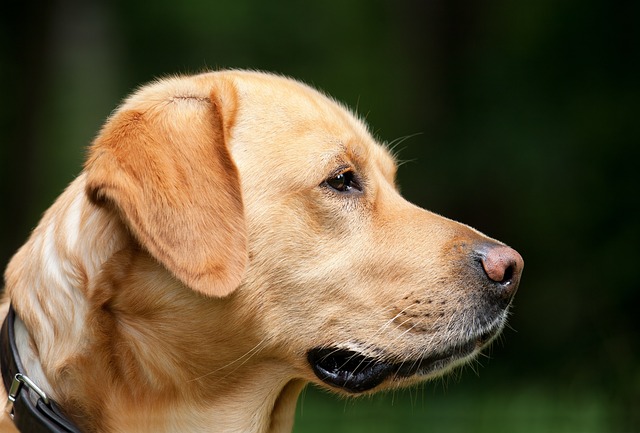
You're enjoying a summer afternoon at the park when you notice your dog has stopped panting and appears disoriented - their gums are bright red
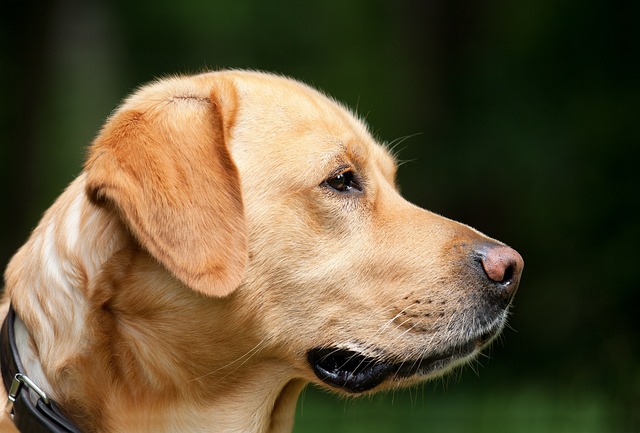
Let’s paint the picture: You’re in your Denver apartment, watching your 4-year-old Boston Terrier, Ruby, plop down mid-play session with her favorite toy

Many dog owners notice their pets nails seem shorter after regular walks,but how much does this daily activity actually help?The answer depends on where you walk—concrete sidewalks or asphalt streets gently file nails as a dog's paws hit the ground
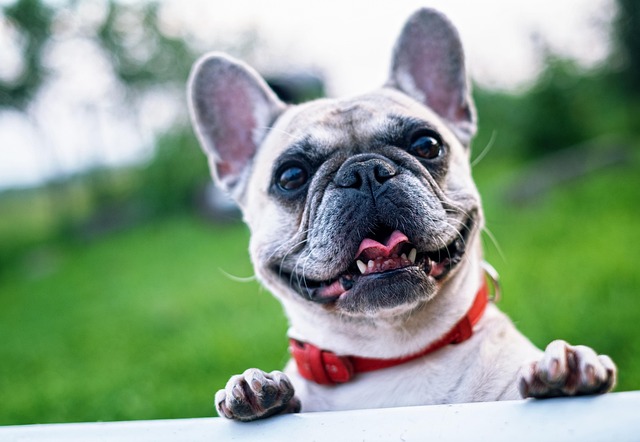
Most dog owners notice their pup scooting across the carpet at some point, but few connect it to impacted anal glands. These small sacs near a dog’s rectum secrete a scent for marking territory

Most vets agree that regular dog teeth cleaning is key to avoiding painful dental issues later. For healthy adult dogs, a professional cleaning at the vet’s office every 12 to 18 months usually works well.