
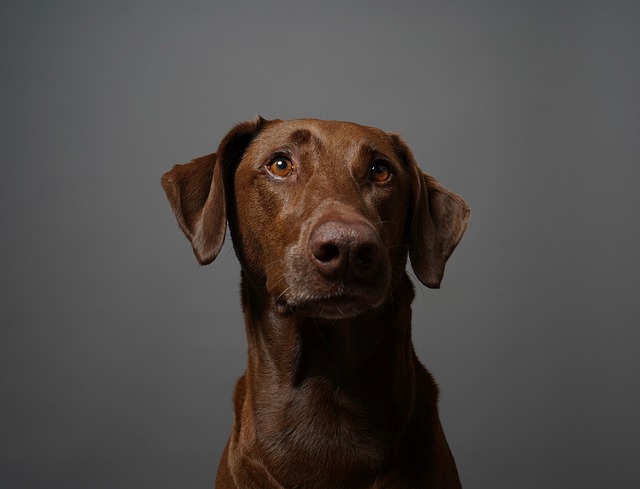
What is glaucoma in a dog?
You might notice your dog squinting more at mealtime or avoiding bright sunlight—these small changes could be early signs of a serious eye condition.
Finding a blister between your dog’s toes can make your heart sink—those tiny, fluid-filled bumps look painful, and watching your pup limp or lick at them nonstop only adds to the worry. That’s what happened to my neighbor in Florida with her 2-year-old boxer, Duke, after a day at the beach. The sand got scorching hot, and by evening, he had a blister the size of a pea between his front toes, red and tender to the touch. “I feel terrible—I didn’t even notice,” she said. But treating a paw blister isn’t complicated; it just takes gentle care to help it heal without getting infected.
Blisters on dog paws form for the same reason they do on our feet: friction or heat damages the skin, and fluid builds up to protect the tender layers underneath. Duke’s blister came from running on hot sand—boxers have short fur, so their paws don’t get much natural protection. Other causes? Rough concrete, ill-fitting booties, or even allergies that make them chew at their toes, creating friction. The danger isn’t the blister itself, but breaking it open, which can let dirt and bacteria in. That’s why keeping it clean and protected is key.
Start by calming your dog—Duke’s owner sat with him, giving him his favorite chew toy, so he’d let her examine his paw. Gently lift the paw and check the blister: if it’s intact (not popped), leave it alone—popping it increases infection risk. Clean around it with a warm, damp cloth to remove dirt, then pat dry. Apply a thin layer of pet-safe balm (look for ones with aloe or beeswax) to soothe and protect. If the blister has popped, clean the area with a mild saline solution (1 teaspoon salt in a cup of warm water) using a soft cloth, then apply an antibiotic ointment recommended by your vet. Duke’s owner covered his paw with a loose, breathable sock (held on with vet wrap) to stop him from licking, changing it twice a day to keep it dry.

Preventing blisters means paying attention to their environment. After walks, check paws for debris—Duke’s owner now keeps a small brush by the door to sweep sand from between his toes. In hot weather, walk early or late when pavement is cool, and test it with your hand: if you can’t hold it there for 5 seconds, it’s too hot for them. For apartment dogs, avoid rough floors that rub paws raw; area rugs help, and trimming excess fur between toes keeps moisture from building up.
Legal and cultural reminders: Keep rabies vaccines current (mandatory in all states)—a healthy immune system fights infection better. When walking, carry poop bags—quick cleanups mean less time on hot or rough surfaces. Never scold a dog for licking a blister; redirect with a toy and praise when they stop (Duke learned that a Kong meant treats, so he’d leave his paw alone).
Duke’s blister healed in a week, and now his owner brings a paw balm to the beach. With gentle care, most blisters clear up fast—no vet visit needed. Just remember: their paws work hard, and a little attention keeps them ready for the next adventure.
You might notice your dog squinting more at mealtime or avoiding bright sunlight—these small changes could be early signs of a serious eye condition.

Let’s set the scene: It’s a sweltering Phoenix afternoon—105°F outside—and you rushed your 2-year-old Lab mix, Cooper, on a quick walk to “get it over with.”
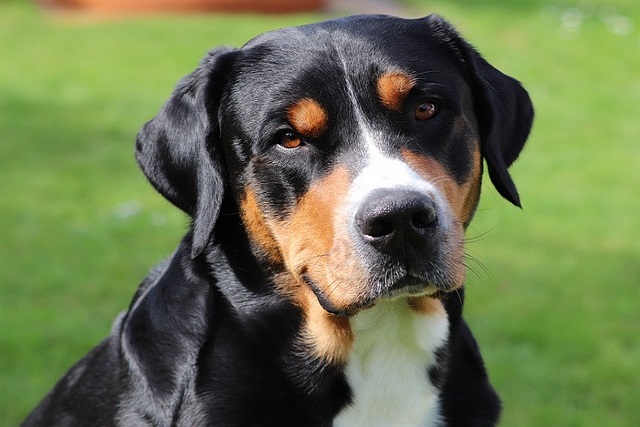
Let’s get real: You’re in your Miami apartment, watching your 3-year-old Corgi, Loki, struggle to climb the stairs to your second-floor unit.
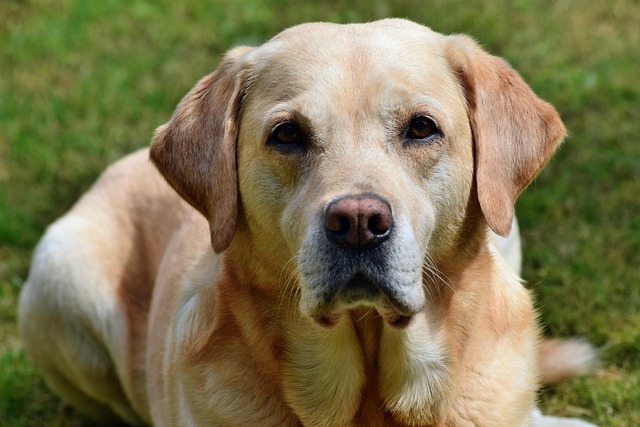
Many dog owners brush off occasional scratching as just “dog behavior,” but persistent itching often signals something more—like a food allergy.
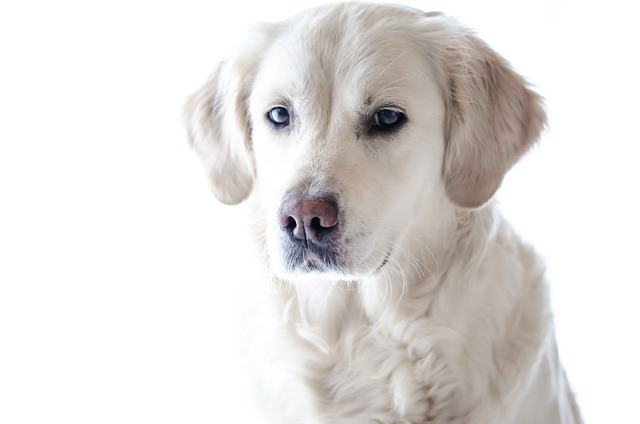
You might first notice your dog scratching more than usual—chewing at their paws until the fur looks thin, or rubbing their face against the couch nonstop.
Let’s be real: You’re standing in your Chicago apartment, watching your 3-year-old Beagle, Max, huff and puff just to climb onto the couch.