

How can I tell if my dog's heatstroke is serious
Let’s be real: It’s a sticky August morning in Los Angeles, and you took your 2-year-old Golden Retriever, Max, for a walk a little later than usual
You look at your senior Labrador, whose fur has started to mat and whose eyes seem to plead for a break from the grooming brush. It makes you wonder: can a dog really be too old to groom? For new dog owners in the U.S., this question often arises as their furry companions enter their golden years, and the answer lies in understanding the unique needs of senior pets.
As dogs age, their bodies undergo significant changes. Joint stiffness, common in older large breeds like Great Danes, can make it painful for them to stand or lie still during grooming sessions. Dental issues may also reduce their tolerance for having their faces touched, and decreased eyesight or hearing can startle them more easily. However, grooming is not just about aesthetics; it’s crucial for their health. Regular brushing removes dead hair, prevents mats that can pull on the skin, and allows you to check for lumps or skin irritations early. So, while aging presents challenges, it doesn’t mean grooming should stop.
When grooming an older dog, adapt your approach to their comfort. Use a soft - bristle brush and avoid tugging at mats; instead, gently work them out with your fingers or a detangling spray. If standing for long periods is difficult, groom your dog while they’re lying down. Short, frequent sessions of 5 - 10 minutes are better than one long one. Treats are your best friend here—offer a piece of their favorite soft treat every few seconds to keep them relaxed. For tasks like nail trimming, which can be especially stressful, consider splitting it into multiple sessions or asking your vet for assistance.

In the American pet - owning community, caring for senior dogs’ grooming needs ties into broader responsibilities. Ensure your senior dog’s vaccinations are current as required by local laws, as their immune systems may be weaker. When living in apartments, manage shedding from grooming to avoid bothering neighbors. During community walks, a well - groomed senior dog not only looks presentable but also has a lower risk of getting its fur caught on something, which could cause injury. And just as with younger dogs, never use force during grooming. If your senior dog resists, take a break and try again later, reinforcing positive behavior with treats and praise.
So, no, a dog is never truly too old to groom. With patience, gentle handling, and a focus on their comfort, you can keep your senior pet looking and feeling their best. It’s not just a grooming routine—it’s an act of love that helps your furry friend enjoy their golden years to the fullest.
Let’s be real: It’s a sticky August morning in Los Angeles, and you took your 2-year-old Golden Retriever, Max, for a walk a little later than usual
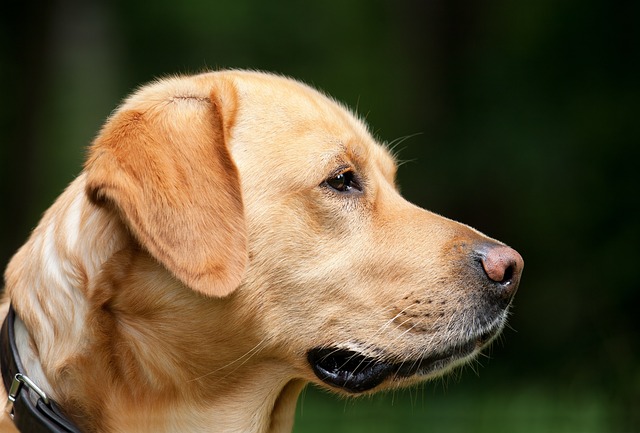
You're enjoying a summer afternoon at the park when you notice your dog has stopped panting and appears disoriented - their gums are bright red
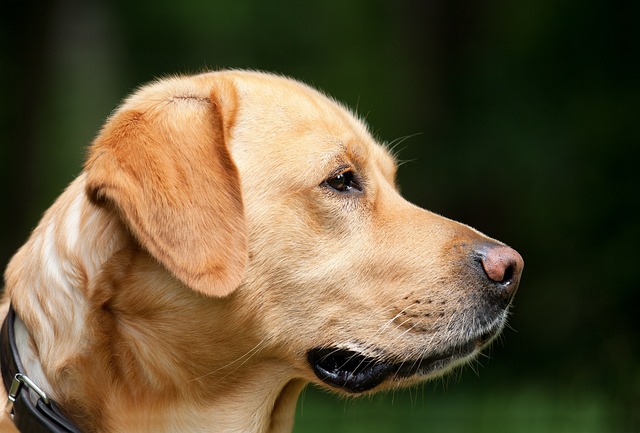
Let’s paint the picture: You’re in your Denver apartment, watching your 4-year-old Boston Terrier, Ruby, plop down mid-play session with her favorite toy

Many dog owners notice their pets nails seem shorter after regular walks,but how much does this daily activity actually help?The answer depends on where you walk—concrete sidewalks or asphalt streets gently file nails as a dog's paws hit the ground
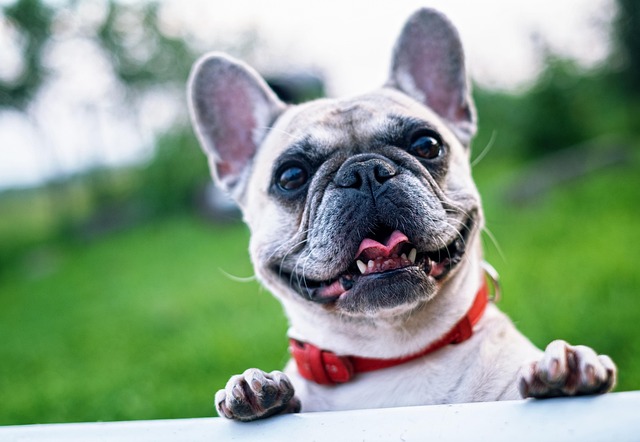
Most dog owners notice their pup scooting across the carpet at some point, but few connect it to impacted anal glands. These small sacs near a dog’s rectum secrete a scent for marking territory
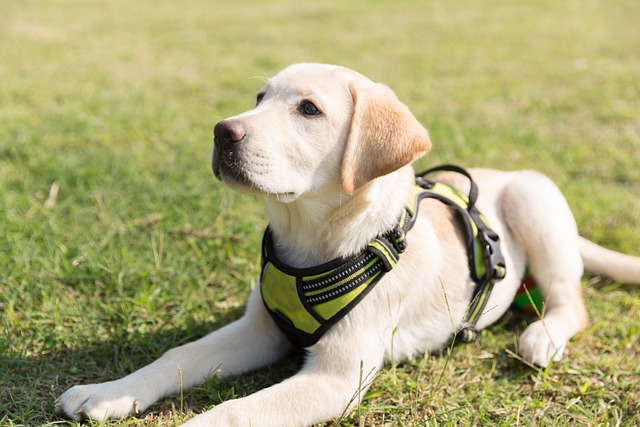
Most vets agree that regular dog teeth cleaning is key to avoiding painful dental issues later. For healthy adult dogs, a professional cleaning at the vet’s office every 12 to 18 months usually works well.