
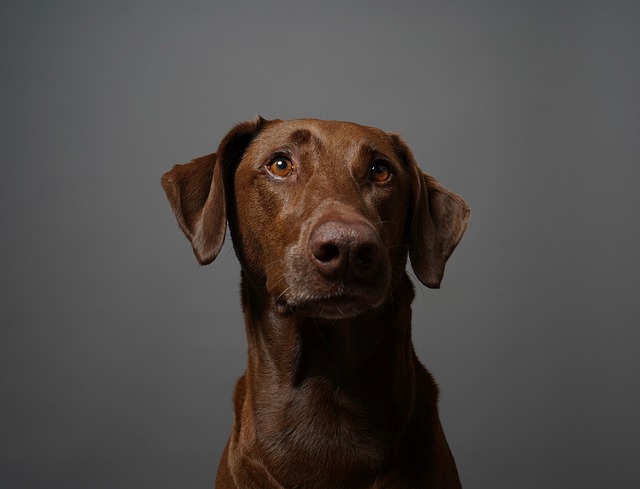
What is glaucoma in a dog?
You might notice your dog squinting more at mealtime or avoiding bright sunlight—these small changes could be early signs of a serious eye condition.
Your wiggly Golden Retriever pup drifts into a deeper sleep than usual after her first shots in the Seattle vet clinic, her tiny body working hard to build immunity. That extra nap time? A common vaccine reaction. While immunizations are medical marvels, understanding potential responses helps you balance puppy care with American pet ownership responsibilities – where legal compliance and community respect go paw-in-paw with health.
Like human vaccines, canine shots occasionally trigger mild side effects as the immune system responds. About 15-20% of dogs experience temporary soreness at the injection site, slight fever, or fatigue lasting 24 hours – similar to feeling achy after your flu shot. Serious reactions like facial swelling or vomiting are rare (roughly 1 in 10,000 doses) but demand immediate vet attention. Smaller breeds under 10 pounds and dogs with autoimmune histories face slightly higher risks.
After vaccinations, plan to linger at the clinic for 20-30 minutes – watch closely for facial puffiness or hives. At home, prioritize rest: skip neighborhood walks in your Chicago walk-up apartment and offer quiet mental games like frozen Kongs instead. Monitor your pup’s temperature and appetite; warm ears or lethargy beyond 48 hours warrant a vet call. For anxious whimpers that might carry through thin-walled Boston buildings, try white noise machines to prevent neighbor complaints.

Never skip legally required shots like rabies over reaction fears. Rabies vaccines are mandatory nationwide – lapses risk $500 fines in Minneapolis and mandatory quarantine if your dog startles and nips someone. Culturally, U.S. vets embrace fear-free handling: request anti-anxiety meds like trazodone beforehand, bring squeezy cheese to reward during injections, and ask to hold small dogs in your lap rather than using restraint tables.
Even if your pup feels under the weather, community duties remain. Always carry biodegradable poop bags – cleanup is non-negotiable ($300 fines in L.A. parks for accidents). Keep rabies tags visibly jingling on collars; Denver animal control conducts sidewalk spot-checks. Apartment dwellers should practice elevator manners: reward calm sits during post-vaccine vet follow-ups to avoid crowded-space stress.
Partner proactively with your vet if concerned. Discuss staggering vaccines for toy breeds, explore titer testing for non-core diseases after the puppy series, or pre-treat allergy-prone dogs with vet-approved antihistamines. Remember: While reactions feel scary, diseases like parvovirus kill 90% of unvaccinated puppies – a real threat in Portland dog parks or urban sidewalks.
Those extra cuddles during recovery? They’re building blocks of trust. By watching closely and acting wisely, you honor both your pup’s health and your role as a responsible neighbor – ready for all the sidewalk strolls and park adventures ahead.
You might notice your dog squinting more at mealtime or avoiding bright sunlight—these small changes could be early signs of a serious eye condition.
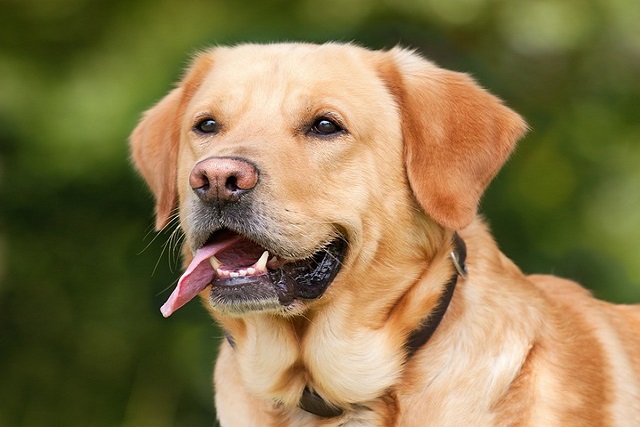
Let’s set the scene: It’s a sweltering Phoenix afternoon—105°F outside—and you rushed your 2-year-old Lab mix, Cooper, on a quick walk to “get it over with.”
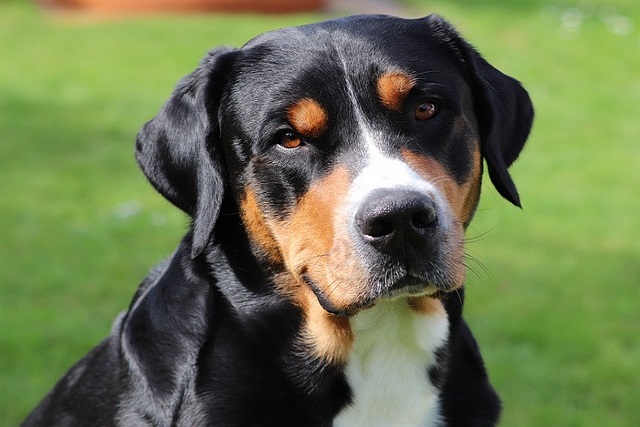
Let’s get real: You’re in your Miami apartment, watching your 3-year-old Corgi, Loki, struggle to climb the stairs to your second-floor unit.
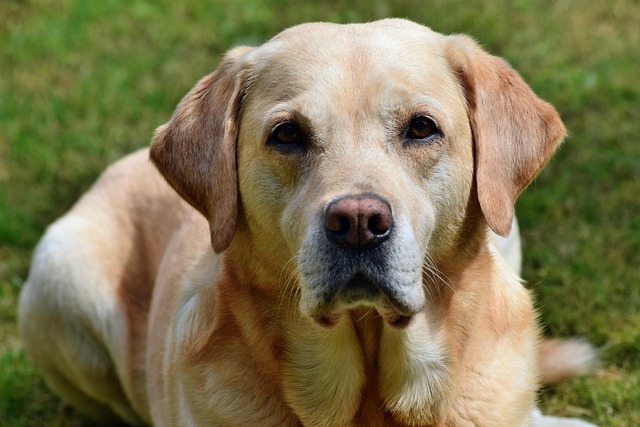
Many dog owners brush off occasional scratching as just “dog behavior,” but persistent itching often signals something more—like a food allergy.
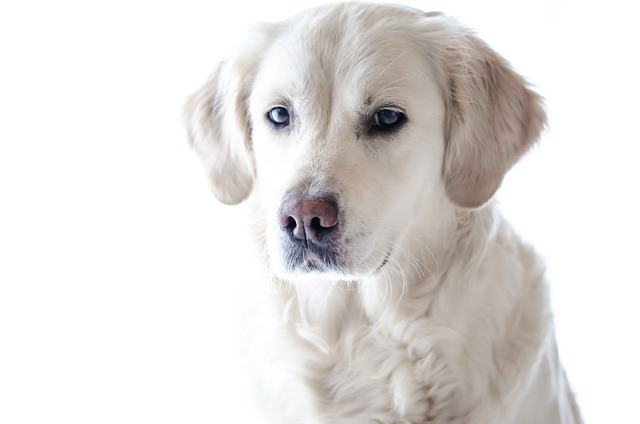
You might first notice your dog scratching more than usual—chewing at their paws until the fur looks thin, or rubbing their face against the couch nonstop.
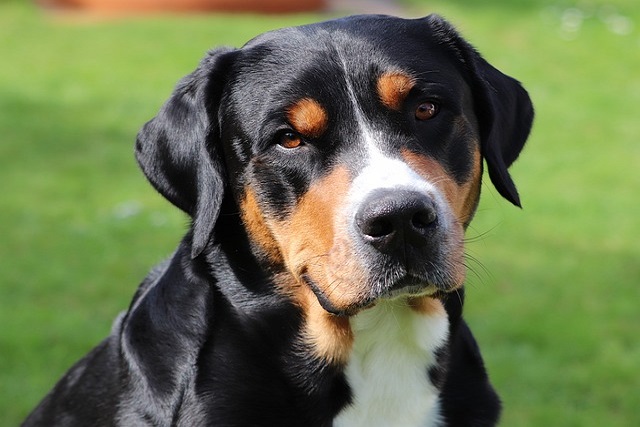
Let’s be real: You’re standing in your Chicago apartment, watching your 3-year-old Beagle, Max, huff and puff just to climb onto the couch.