

How can I tell if my dog's heatstroke is serious
Let’s be real: It’s a sticky August morning in Los Angeles, and you took your 2-year-old Golden Retriever, Max, for a walk a little later than usual
New puppy owners often stare at their tiny, wiggly friend and wonder if they can sneak in a quick trip outside—even before those crucial vaccinations are done. The urge to show off the new addition or let them feel grass under their paws is strong, but the answer needs to balance excitement with safety. Vets across most regions warn that unvaccinated puppies face high risks from diseases like parvovirus and distemper, which linger in public spaces.
Local laws add another layer to this decision, too. Some areas require puppies to have at least their first round of shots before they’re allowed in public parks or dog-friendly spaces—this isn’t just a health guideline, but a legal requirement. Skipping this step could lead to warnings from animal control, especially in neighborhoods with strict pet safety ordinances. Always check with your vet or local animal services to know exactly what’s required where you live.
 That said, “no public outings” doesn’t mean your puppy has to stay cooped up indoors forever. Many owners opt for safe, controlled outings: carrying the puppy in a secure carrier to a quiet backyard (that’s never had unvaccinated dogs) or letting them explore a covered porch. These small, low-risk moments help socialize the puppy—key for their behavioral development—without exposing them to harmful pathogens.
It’s also important to think about common local habits that might accidentally put your puppy at risk. For example, letting them sniff a neighbor’s unvaccinated dog during a quick chat, or setting them down on a sidewalk where other dogs frequently walk. Even tiny traces of virus on shoes can stick to a puppy’s paws, so wiping their paws with a pet-safe wipe after any indoor-outdoor transition is a smart habit.
Socialization is still crucial during this period, but it needs to happen in controlled ways. Invite friends with fully vaccinated, calm dogs over for short visits—this lets your puppy learn to interact with other canines safely. Many vets also offer puppy socialization classes that follow strict health protocols, ensuring your pup gets the exposure they need without the risk.
Bringing a new puppy home is all about balancing joy with responsibility. While waiting for vaccinations to take full effect can feel tedious, it’s the best way to protect their health—and stay on the right side of local laws. Those first safe outings, once they’re fully vaccinated, will be even more special knowing you’ve set them up for a healthy, happy life.
Let’s be real: It’s a sticky August morning in Los Angeles, and you took your 2-year-old Golden Retriever, Max, for a walk a little later than usual
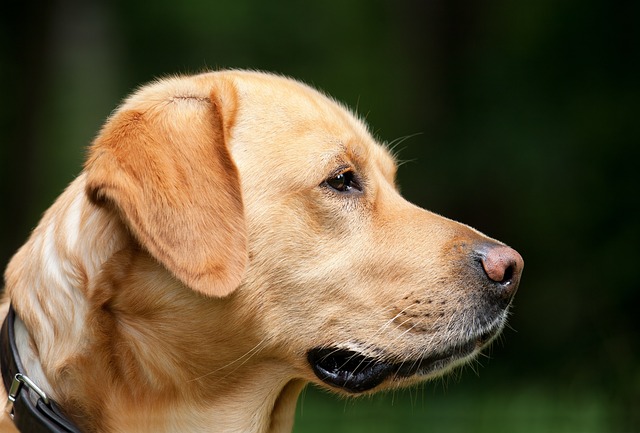
You're enjoying a summer afternoon at the park when you notice your dog has stopped panting and appears disoriented - their gums are bright red
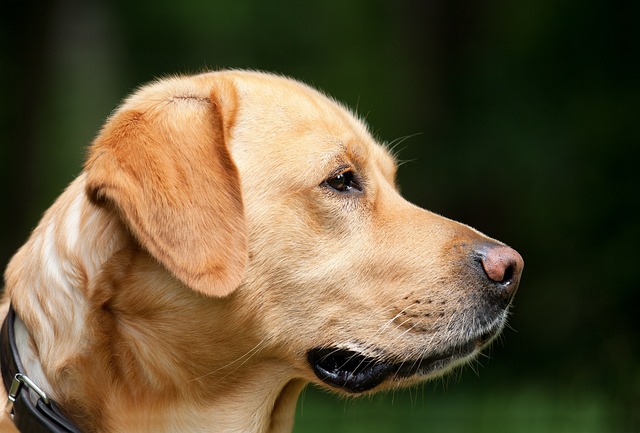
Let’s paint the picture: You’re in your Denver apartment, watching your 4-year-old Boston Terrier, Ruby, plop down mid-play session with her favorite toy

Many dog owners notice their pets nails seem shorter after regular walks,but how much does this daily activity actually help?The answer depends on where you walk—concrete sidewalks or asphalt streets gently file nails as a dog's paws hit the ground
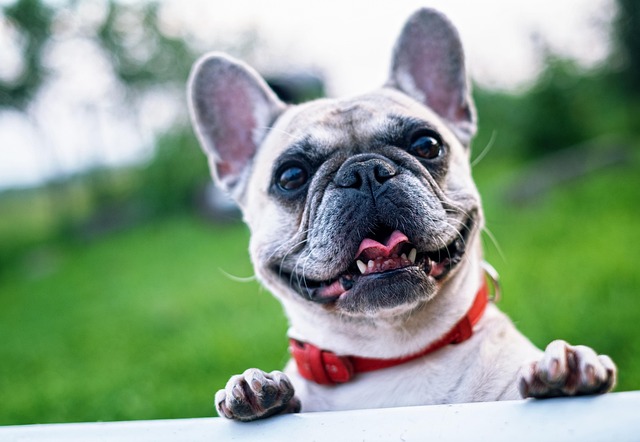
Most dog owners notice their pup scooting across the carpet at some point, but few connect it to impacted anal glands. These small sacs near a dog’s rectum secrete a scent for marking territory
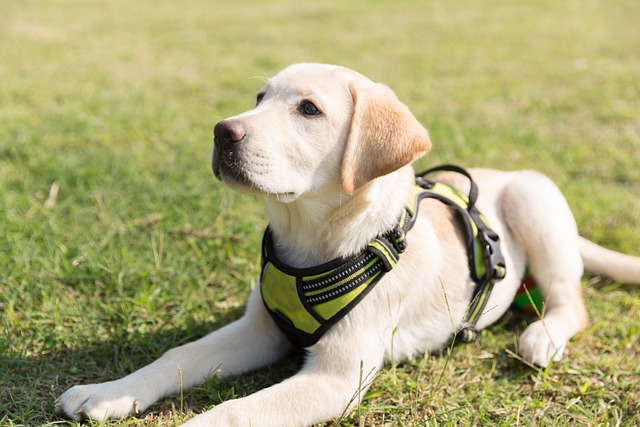
Most vets agree that regular dog teeth cleaning is key to avoiding painful dental issues later. For healthy adult dogs, a professional cleaning at the vet’s office every 12 to 18 months usually works well.