
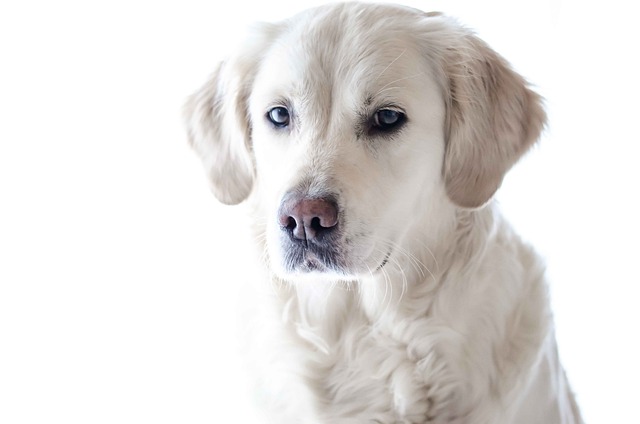
How can I tell if my dog's heatstroke is serious
Let’s be real: It’s a sticky August morning in Los Angeles, and you took your 2-year-old Golden Retriever, Max, for a walk a little later than usual
Picture this: You're giving your Golden Retriever a post-park bath in your cramped apartment bathroom, and their fur feels like straw after shampooing. That jar of organic coconut oil on your kitchen shelf catches your eye – could this pantry staple double as a natural conditioner? The short answer is yes, with important caveats. Coconut oil’s magic lies in its medium-chain fatty acids (like lauric acid), which offer moisturizing, antimicrobial, and anti-inflammatory benefits. It can soften coarse coats, reduce flaky "doggie dandruff," and soothe mild dry patches. But it’s not a one-size-fits-all solution, and using it wrong can turn your living room into a greasy slip-and-slide!
Here’s how to use it safely: Start with virgin, unrefined coconut oil (the kind that smells like tropical vacations). Do a patch test first – rub a dime-sized amount on a small spot behind your dog’s ear or inner thigh. Wait 24 hours. No redness or itching? Proceed. Melt a tablespoon of oil in your hands (it liquifies at 76°F/24°C), then work it through their damp, clean fur after shampooing, focusing on dry areas like elbows, tail base, and feathering on legs. Avoid the face and ears! Massage it down to the skin for 5 minutes – this is prime bonding time! Rinse thoroughly with lukewarm water until the water runs clear. Any leftover residue attracts dirt and turns your couch into a grease trap. For short-haired breeds (like Boxers), use sparingly – a teaspoon may suffice. Always towel-dry vigorously after. If your dog feels greasy hours later, you didn’t rinse enough. Never force your dog to endure rinsing if they panic; stop and try another day with extra treats.

This is where cultural sensitivity and your apartment lifestyle collide. Manhandling a soapy, anxious dog in the tub violates force-free principles central to US/EU animal welfare. Instead, pair each step with high-value rewards (think peanut butter smeared on the shower wall). If bath time is stressful, skip conditioning until they’re acclimated. Remember: Over-conditioning leads to oily fur that traps odors – a major issue in close-quarters apartment living where "wet dog smell" can permeate hallways. And speaking of shared spaces: always leash your freshly conditioned pup in common areas. A slick, fragrant dog bounding toward neighbors in your Brooklyn elevator breaches etiquette (and leash laws!). While pampering your pooch, don’t forget core responsibilities: Keep rabies vaccines current (mandatory in all 50 states), and always carry compostable poop bags – coconut-oil-induced digestive "surprises" still require immediate cleanup per local ordinances!
Important limitations: Coconut oil won’t fix serious skin conditions like infections, allergies, or hormonal issues. If your dog has hot spots, intense itching, or hair loss, see your vet – slathering oil could worsen it. For dogs prone to pancreatitis or obesity, avoid oral use without vet approval. Some breeds (e.g., oily-coated Labs) may develop clogged pores or greasy buildup. Consider alternatives: oatmeal conditioners for sensitive skin, or hypoallergenic sprays for quick refresh between baths. When used correctly, though, that coconut glow makes walks smoother – literally! Just watch for enthusiastic sidewalk rolling post-bath; that organic scent might attract every squirrel in Central Park. Keep leash manners sharp, neighbors happy, and your dog gleaming safely.
Let’s be real: It’s a sticky August morning in Los Angeles, and you took your 2-year-old Golden Retriever, Max, for a walk a little later than usual

You're enjoying a summer afternoon at the park when you notice your dog has stopped panting and appears disoriented - their gums are bright red

Let’s paint the picture: You’re in your Denver apartment, watching your 4-year-old Boston Terrier, Ruby, plop down mid-play session with her favorite toy

Many dog owners notice their pets nails seem shorter after regular walks,but how much does this daily activity actually help?The answer depends on where you walk—concrete sidewalks or asphalt streets gently file nails as a dog's paws hit the ground
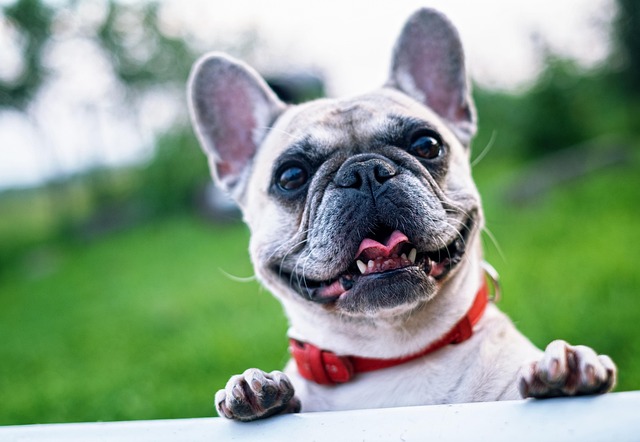
Most dog owners notice their pup scooting across the carpet at some point, but few connect it to impacted anal glands. These small sacs near a dog’s rectum secrete a scent for marking territory

Most vets agree that regular dog teeth cleaning is key to avoiding painful dental issues later. For healthy adult dogs, a professional cleaning at the vet’s office every 12 to 18 months usually works well.