
How do i train my dog to be obedient?
Watching your dog dart across the park ignoring your calls isn’t just frustrating—it can put them at risk near busy streets or public spaces.
Picture this: you're on your usual morning walk with your terrier mix, Scout, enjoying the quiet neighborhood streets. As you round the corner, another dog appears 50 feet away. Instantly, Scout's body stiffens, his hackles rise, and a low, guttural growl rumbles in his chest. That familiar pit forms in your stomach – another walk derailed by Scout's intense reactivity towards other dogs. You've heard the old advice: "He's trying to be dominant, you need to show him who's boss." But deep down, that explanation feels off, and the alpha rolls and leash corrections you tried only made things worse, leaving Scout more anxious and you more frustrated. What's really going on here, and how can you help him feel safe?
Labeling this behavior simply as "dog aggression" often misses the crucial emotional story underneath. Scout isn't plotting world domination; he's likely experiencing intense fear, anxiety, frustration, or even pain that he doesn't know how to process or communicate effectively. Think of it like a human panic attack – the lashing out is a symptom of overwhelming internal distress, not inherent malice. Understanding your dog's specific triggers – is it proximity, a certain size or color of dog, leashed encounters, or resource guarding near you? – is the essential first step. Careful observation is key. Does Scout freeze and stare before reacting? Does he only react after the other dog makes eye contact? Does he redirect his frustration onto you or the leash? These subtle cues reveal the emotional causes of dog aggression, moving us away from blame and towards genuine understanding.
For decades, the go-to solution involved asserting dominance: alpha rolls, harsh leash corrections, shock collars, or stern verbal reprimands. The idea was that the dog needed to be "put in its place." Modern behavioral science, however, paints a very different picture. Studies consistently show that dominance-based training methods often backfire spectacularly with fear-based reactivity. Punishing the outward growl or lunge doesn't address the underlying terror causing it; it simply teaches the dog that the appearance of another dog predicts something unpleasant happening *to them*. This can suppress warning signals (like growling) – dangerous because the dog might bite "without warning" next time – or escalate the fear into full-blown panic and more intense aggression. The American Veterinary Society of Animal Behavior (AVSAB) explicitly states that punishment is not recommended for treating aggression or fearfulness due to these significant risks.
So, if force isn't the answer, what is? A compassionate approach focuses on changing Scout's underlying emotional response to his triggers, building his confidence and sense of safety. This is the core of effective dog aggression training methods. It starts with meticulously managing his environment to prevent overwhelming encounters – crossing the street, using visual barriers, or scheduling walks during quieter times. The goal is to keep Scout under his reaction threshold, where he notices the trigger but remains calm enough to think and learn. Then, using carefully controlled setups, we pair the sight (or sound) of another dog at a safe distance with something Scout *loves* – usually high-value treats like chicken or cheese. This process, called counter-conditioning, aims to change his association: "Other dog = scary" slowly becomes "Other dog = chicken appears!" Simultaneously, we teach alternative, calm behaviors like focusing on you ("Look at me") or turning away voluntarily, rewarding these choices heavily. This is positive reinforcement in action, building new, desirable habits instead of suppressing old ones.
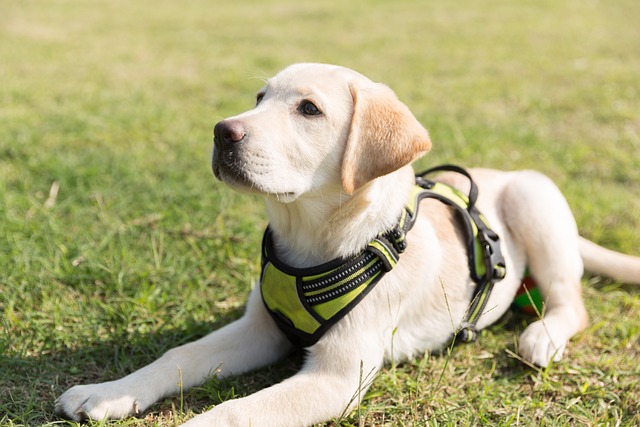
Putting this into practice requires patience and keen observation. Start by becoming an expert in Scout's early stress signals – lip licking, yawning, stiffening, whale eye (showing the whites), shallow breathing. The moment you see these, calmly create distance *before* he reacts. Use management tools wisely; a front-clip harness offers more control than a collar and is gentler. Practice focus exercises indoors until they're rock-solid before trying them near triggers. When introducing controlled exposure, begin at distances that seem almost ridiculously far – success is measured by Scout staying relaxed. Keep sessions short and positive; end on a good note. Crucially, understand your limits. If Scout has a history of bites, lunges intensely on leash, or seems constantly on edge, partnering with a certified professional (look for credentials like CPDT-KA, CDBC, or DACVB) experienced in force-free behavior modification for dog aggression is not just helpful, it's essential for safety and progress. They can create a tailored plan and guide you through the nuances.
Helping a dog like Scout overcome his reactivity isn't about quick fixes or establishing dominance; it's a journey of building trust, security, and new emotional pathways. It takes time, consistency, and a deep commitment to understanding his world. While the old dominance narrative promised control through force, the science-backed, empathetic approach offers something far more valuable: genuine, lasting behavioral change rooted in well-being. By addressing the emotional causes of dog aggression, you're not just stopping unwanted behavior; you're giving your dog the gift of feeling safe and secure in a world that once overwhelmed him. The relieved wag of a tail when he calmly notices another dog across the park, instead of erupting, becomes the most rewarding milestone of all.
Watching your dog dart across the park ignoring your calls isn’t just frustrating—it can put them at risk near busy streets or public spaces.
New puppy owners often find themselves rushing to clean up accidents before they set in, and that’s where puppy pad training becomes a game-changer.
If you've noticed your dog's waistline disappearing and your veterinarian has mentioned those few extra pounds, your first instinct might be to simply reduce the amount of food in their bowl.

Training a dog to use a designated spot indoors isn’t as daunting as many new owners fear, but it does take consistency and an understanding of your pet’s needs.
That moment of dread on a walk is all too familiar for many new dog owners. You see another dog approaching down the sidewalk of your neighborhood
If the sight of another dog on your neighborhood walk makes your heart sink as your own dog erupts into a frenzy of barking and lunging, you're not alone.