
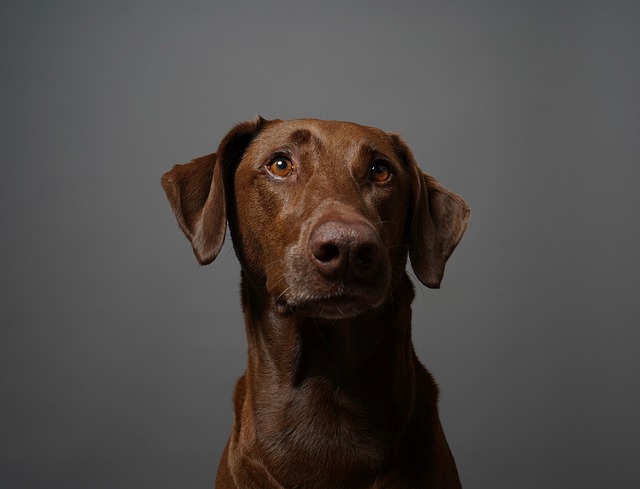
What is glaucoma in a dog?
You might notice your dog squinting more at mealtime or avoiding bright sunlight—these small changes could be early signs of a serious eye condition.
You’ve probably seen those adorable dwarf dogs trotting down the sidewalk, their tiny legs moving twice as fast to keep up. Breeds like Dachshunds, Corgis, and French Bulldogs have skyrocketed in popularity, but behind those cute faces lie some serious health considerations. Many owners assume small size equals fewer problems, but dwarfism in dogs—often caused by a genetic mutation called chondrodysplasia—comes with a unique set of challenges that go beyond the occasional backache.
Let’s start with the obvious: joint issues. Those short legs aren’t just a quirky trait—they’re the result of abnormal cartilage development, which puts disproportionate stress on spines and limbs. Intervertebral disc disease (IVDD) is practically a given for Dachshunds, with studies showing up to 25% will experience it. Then there’s hip dysplasia in Corgis and luxating patellas in Basset Hounds, where kneecaps pop out of place like stubborn Lego pieces. What’s surprising is how early these problems can start. A two-year-old dwarf dog might already show signs of arthritis that wouldn’t appear in larger breeds until senior years.
Now for the less talked-about stuff. Ever noticed how some dwarf breeds snore like freight trains? Brachycephalic traits often get lumped in with dwarfism, leading to narrowed airways that turn playtime into an Olympic breathing challenge. But here’s what vet journals are really buzzing about: hidden spinal cord compression. Unlike IVDD’s dramatic slipped discs, this slow-onset issue flies under the radar until the dog starts knuckling its paws. And dental problems? Crowded teeth in tiny jaws create a petri dish for periodontal disease—something 80% of dwarf dogs develop by age three, according to veterinary dental associations.
Here’s the good news: proactive care can change the game. Start with surface-level changes—ramps instead of stairs, harnesses over collars to reduce neck strain. But dig deeper: ask your vet about early screening for conditions like Lafora disease in miniature Wirehaired Dachshunds, a genetic time bomb causing seizures. Nutrition is another minefield; that “small breed” kibble might still be too calorie-dense for their sedentary tendencies. One game-changer? Water therapy. The buoyancy takes pressure off joints while building muscle—just watch a Corgi’s tail wag during hydrotherapy sessions.
Owning a dwarf dog isn’t about wrapping them in bubble wrap—it’s about smart adaptations. That weekly brushing session? Make it a teeth-brushing ritual too. Those puppy stairs to your bed? Replace them before the first sign of stiffness, not after. When you understand their bodies work differently from day one, you’re not just preventing problems; you’re giving them the full, vibrant life their compact bodies deserve. After all, their courage has always been outsized—their healthcare should match.
You might notice your dog squinting more at mealtime or avoiding bright sunlight—these small changes could be early signs of a serious eye condition.
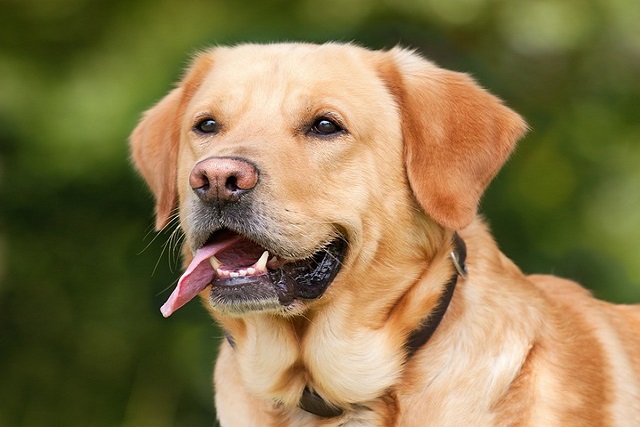
Let’s set the scene: It’s a sweltering Phoenix afternoon—105°F outside—and you rushed your 2-year-old Lab mix, Cooper, on a quick walk to “get it over with.”
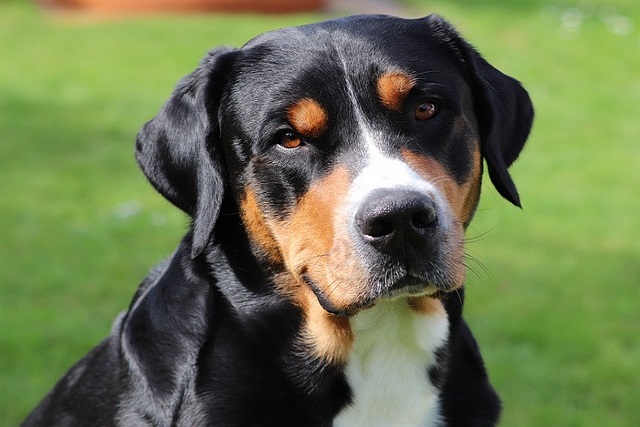
Let’s get real: You’re in your Miami apartment, watching your 3-year-old Corgi, Loki, struggle to climb the stairs to your second-floor unit.
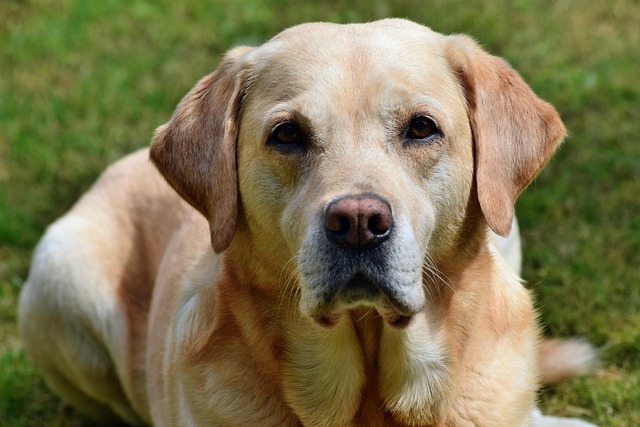
Many dog owners brush off occasional scratching as just “dog behavior,” but persistent itching often signals something more—like a food allergy.

You might first notice your dog scratching more than usual—chewing at their paws until the fur looks thin, or rubbing their face against the couch nonstop.
Let’s be real: You’re standing in your Chicago apartment, watching your 3-year-old Beagle, Max, huff and puff just to climb onto the couch.