

How can I tell if my dog's heatstroke is serious
Let’s be real: It’s a sticky August morning in Los Angeles, and you took your 2-year-old Golden Retriever, Max, for a walk a little later than usual
If you’ve ever run your hand through a husky’s coat in June, you know the drill—tufts of fur stick to your clothes, your couch, even the corners of your favorite rug. Those thick, fluffy layers that kept them cozy through winter start to loosen as the mercury rises, and suddenly your home feels like a snow globe of white and gray hairs. It’s not just your imagination—huskies do shed quite a bit when summer hits, and there’s a good reason for it.
Their double coat is a marvel of nature, really. That dense undercoat acts like insulation, trapping heat in cold months, but when the sun comes out and temperatures climb, their bodies kick into gear to shed that extra layer. It’s their way of staying cool, ditching the winter warmth for a lighter summer “wardrobe.” You might notice clumps coming out during walks or playtime, especially if they’ve been rolling in the grass or chasing a ball—all that movement loosens the dead fur.
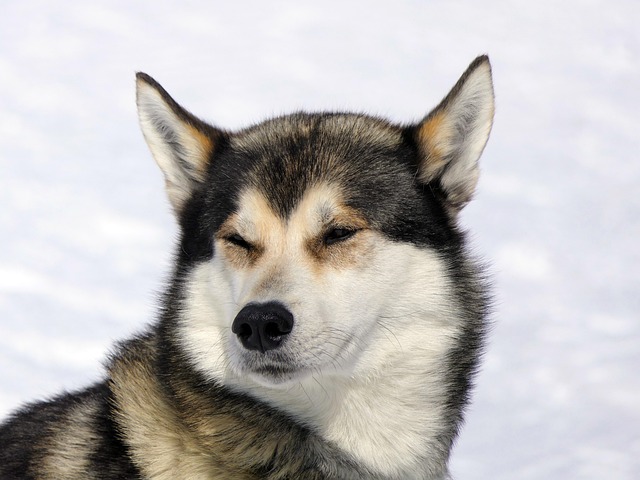 Dealing with all that hair takes a little effort, but it’s manageable. A good brush session a few times a week can work wonders. Look for a rubber curry comb or a slicker brush—tools that get down to the undercoat without irritating their skin. Spending 10 minutes each morning not only cuts down on the fur around your house but also gives you some quality bonding time. Plus, keeping their coat healthy this way can help prevent mats, which can get uncomfortable for them.
Not all shedding is created equal, though. If you start seeing bald patches, or if their skin looks red, flaky, or irritated, that’s a sign to check in with the vet. Sometimes excessive shedding can be a clue to allergies, poor nutrition, or other health issues. Most of the time, though, it’s just their bodies doing what they’re supposed to—adapting to the season.
Keeping your space clean helps too. A lint roller by the door, a vacuum with a pet hair attachment—small things that make living with all that fur less of a hassle. And remember, those loose hairs are a small price to pay for those bright blue eyes and that playful energy that make huskies so beloved. Plus, keeping your home tidy is part of being a responsible pet owner, no matter where you live.
You might worry that all this shedding means something’s wrong, but rest easy—for huskies, summer is just their version of spring cleaning. With a little grooming, some patience, and maybe a few extra laundry cycles, you’ll get through it. And when fall comes around, you’ll start noticing that thick undercoat growing back, ready to keep them warm when the cold returns.
At the end of the day, those piles of fur are a reminder of how well-adapted these dogs are to the world around them. Embrace the process, enjoy those summer adventures with your husky, and know that a little extra brushing is all part of the fun of having such a unique and lovable companion.
Let’s be real: It’s a sticky August morning in Los Angeles, and you took your 2-year-old Golden Retriever, Max, for a walk a little later than usual

You're enjoying a summer afternoon at the park when you notice your dog has stopped panting and appears disoriented - their gums are bright red

Let’s paint the picture: You’re in your Denver apartment, watching your 4-year-old Boston Terrier, Ruby, plop down mid-play session with her favorite toy

Many dog owners notice their pets nails seem shorter after regular walks,but how much does this daily activity actually help?The answer depends on where you walk—concrete sidewalks or asphalt streets gently file nails as a dog's paws hit the ground

Most dog owners notice their pup scooting across the carpet at some point, but few connect it to impacted anal glands. These small sacs near a dog’s rectum secrete a scent for marking territory

Most vets agree that regular dog teeth cleaning is key to avoiding painful dental issues later. For healthy adult dogs, a professional cleaning at the vet’s office every 12 to 18 months usually works well.