
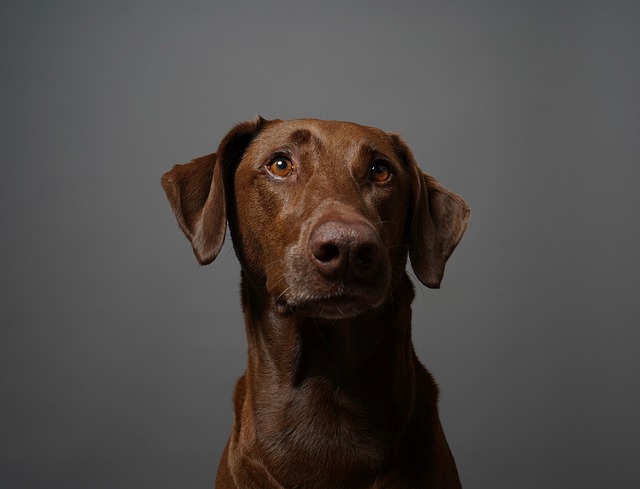
What is glaucoma in a dog?
You might notice your dog squinting more at mealtime or avoiding bright sunlight—these small changes could be early signs of a serious eye condition.
You've invested in a great harness for walks – maybe it helps with pulling or protects your pup's neck. So, does that flat collar hanging by the door become redundant? Not quite. While a harness is often the superior choice for attaching a lead during walks, especially for many dogs, keeping a well-fitted collar on your dog, even when using a harness, serves several crucial purposes. It's less about one or the other, and more about understanding their distinct, complementary roles for safety and compliance.
Let's be clear upfront: in most places across the US, UK, and EU, it's a legal requirement for your dog to wear identification tags whenever they are in a public place or not securely confined on your property. Think of it like carrying your ID. These tags typically display your contact details – phone number at minimum. While you can attach these tags directly to some harnesses, it's generally not the best practice. Why? Harnesses come off for walks, get swapped for different activities, or might be removed entirely when your dog is relaxing at home. If your dog gets loose without their harness on, they have no identification. A collar, holding permanent ID tags, acts as their constant form of identification.
Imagine the scenario: a sudden noise spooks your dog during a walk, they slip their harness (it happens more often than you'd think!), or they bolt out the front door when a package is delivered. If they only have tags on the harness left hanging by the door, they're out in the world unidentified. That collar with securely attached tags dramatically increases the chances of a swift, safe return. It’s a simple layer of security that responsible pet ownership demands. Compliance isn't just about avoiding fines; it's about your dog's safety net.
Beyond legal ID, collars offer another practical advantage: a reliable secondary attachment point. Even the best-made harnesses can fail – a buckle might break unexpectedly, a strap could fray over time and snap, or a clip might malfunction. Having your dog securely wearing a collar means you have an immediate, familiar backup point to clip your lead onto in an emergency. This is invaluable if you suddenly need control near traffic, other animals, or any hazardous situation. It provides peace of mind knowing you have a quick alternative if your primary restraint system falters.

Collars also play a vital role alongside microchipping. Microchips are fantastic permanent identification, but they require a scanner to read. A visible collar with ID tags is the fastest way for a good Samaritan or animal control officer to contact you directly, often bypassing the need for a trip to the vet or shelter for a chip scan. Think of the collar and tags as the immediate "call home" sign, while the microchip is the secure backup database. Ensuring both are current and accurate is essential. Remember, microchipping is legally required for dogs in many EU countries and strongly recommended everywhere.
Now, are there exceptions? Absolutely. Some specific situations might warrant removing the collar when the harness is on: Dogs with certain severe skin conditions affecting the neck area, very young puppies where a collar might be temporarily too loose or irritating, or specific medical procedures might require collar removal. However, for the vast majority of healthy dogs, wearing a properly fitted flat collar (not a training collar like a choke or prong) 24/7 is safe and beneficial. Ensure you can comfortably fit two fingers under the collar – snug enough it won't slip off over the ears, but loose enough not to constrict breathing or swallowing. Check the fit regularly, especially on growing puppies.
It's also worth noting that while harnesses are generally safer for walking control, collars are often necessary for holding rabies vaccination tags, legally required in most US states and specific regions. Many local ordinances specify that rabies tags must be attached to the dog's collar. Always check your local regulations to ensure full compliance.
So, circling back: Yes, you very likely still need a dog collar even if you primarily use a harness for walks. The collar isn't just a fashion statement or a relic; it's a critical piece of safety equipment fulfilling vital functions: holding legally required, easily visible ID tags at all times, providing a reliable emergency attachment point, and complementing microchipping for the fastest possible reunion if your dog gets lost. Pair your harness for comfortable, safe walks, but keep that collar on for constant identification and peace of mind. Responsible ownership means utilizing both tools effectively for your dog's ultimate safety and well-being.
You might notice your dog squinting more at mealtime or avoiding bright sunlight—these small changes could be early signs of a serious eye condition.
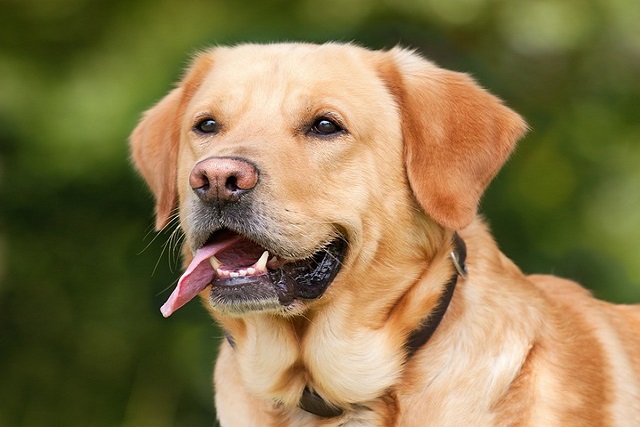
Let’s set the scene: It’s a sweltering Phoenix afternoon—105°F outside—and you rushed your 2-year-old Lab mix, Cooper, on a quick walk to “get it over with.”

Let’s get real: You’re in your Miami apartment, watching your 3-year-old Corgi, Loki, struggle to climb the stairs to your second-floor unit.
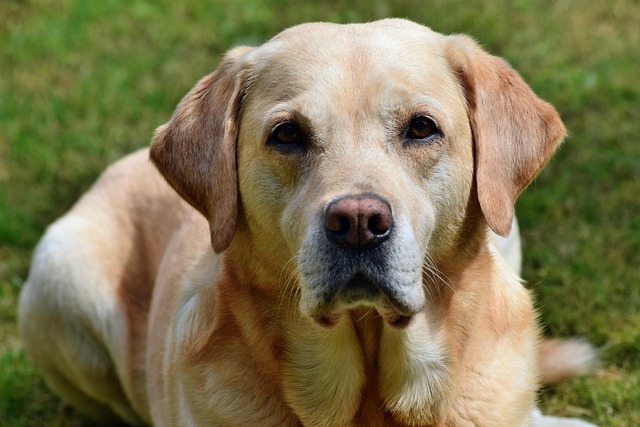
Many dog owners brush off occasional scratching as just “dog behavior,” but persistent itching often signals something more—like a food allergy.

You might first notice your dog scratching more than usual—chewing at their paws until the fur looks thin, or rubbing their face against the couch nonstop.

Let’s be real: You’re standing in your Chicago apartment, watching your 3-year-old Beagle, Max, huff and puff just to climb onto the couch.