

How can I tell if my dog's heatstroke is serious
Let’s be real: It’s a sticky August morning in Los Angeles, and you took your 2-year-old Golden Retriever, Max, for a walk a little later than usual
Many new dog owners glance at a Great Dane and assume it needs twice the walks of a Chihuahua—but the answer isn’t just about size. A tiny Jack Russell Terrier might bounce off the walls if it skips a daily hike, while a laid-back Mastiff could be happy with a slow evening stroll. The real driver here is energy level, not just how big your pup gets.
Science backs this up: canine exercise needs tie closely to breed history. Working breeds like German Shepherds (large) or Border Collies (medium) were built to herd for hours, so they crave mental and physical activity. On the flip side, toy breeds like Pomeranians were lap dogs first—they need movement, but too much intense exercise can strain their small joints. Always check your dog’s breed traits to gauge their needs.
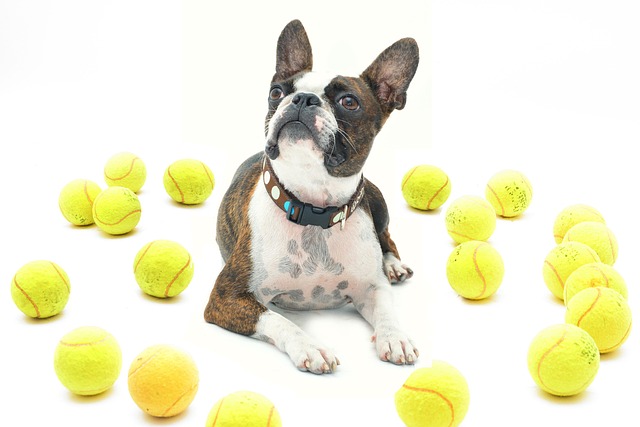 Practical steps matter too, especially for apartment dwellers. If you have a large dog like a Labrador in a city, split exercise into two 30-minute walks daily, plus 15 minutes of fetch in a park—this keeps them from getting bored and destructive. For small dogs, three 10-minute walks and indoor play with a puzzle toy work well; avoid long runs that stress their bodies.
Don’t forget local rules and culture. In most places, you must clean up after your dog in public—always carry bags, even on short walks. Also, positive training goes hand in hand with exercise: reward calm behavior during walks instead of scolding pulling, which is key in Western pet culture that rejects punishment. And make sure your dog is up-to-date on vaccines before visiting dog parks—this is both a legal requirement and a way to keep other pups safe.
At its core, exercise is about keeping your dog healthy and happy, no matter their size. A large dog with low energy might need less activity than a high-spirited small one, so watch for signs like pacing (bored) or lagging (tired) to adjust. By matching exercise to their breed, personality, and local rules, you’ll build a strong bond with your pup.
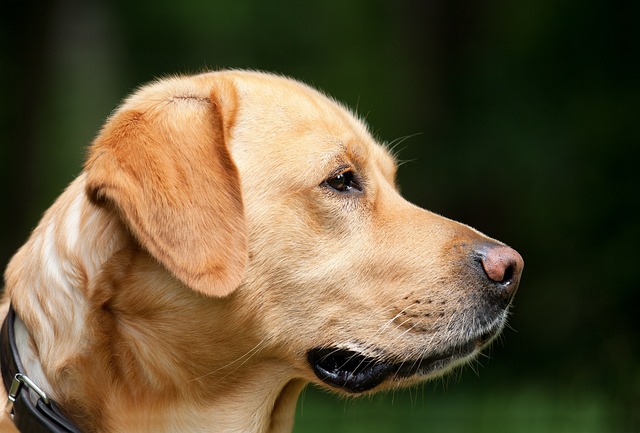
Let’s be real: It’s a sticky August morning in Los Angeles, and you took your 2-year-old Golden Retriever, Max, for a walk a little later than usual
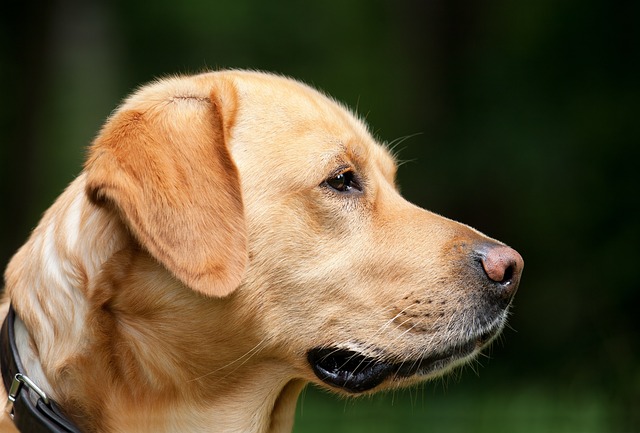
You're enjoying a summer afternoon at the park when you notice your dog has stopped panting and appears disoriented - their gums are bright red
Let’s paint the picture: You’re in your Denver apartment, watching your 4-year-old Boston Terrier, Ruby, plop down mid-play session with her favorite toy

Many dog owners notice their pets nails seem shorter after regular walks,but how much does this daily activity actually help?The answer depends on where you walk—concrete sidewalks or asphalt streets gently file nails as a dog's paws hit the ground
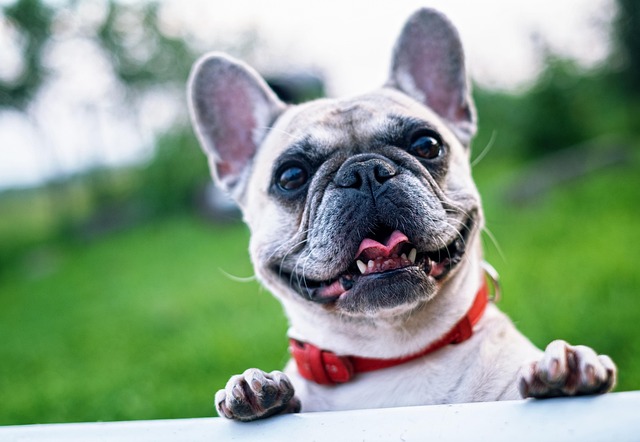
Most dog owners notice their pup scooting across the carpet at some point, but few connect it to impacted anal glands. These small sacs near a dog’s rectum secrete a scent for marking territory
Most vets agree that regular dog teeth cleaning is key to avoiding painful dental issues later. For healthy adult dogs, a professional cleaning at the vet’s office every 12 to 18 months usually works well.