
What is glaucoma in a dog?
You might notice your dog squinting more at mealtime or avoiding bright sunlight—these small changes could be early signs of a serious eye condition.
Do plaque off chews work for dogs? If you’re a new dog parent in the US, you’ve probably stood in the pet aisle, staring at packages labeled “fights plaque” and thought, “Will these actually make my pup’s teeth less gross?” Between the wrestling matches over toothbrushes and the stinky breath that hits you during cuddles, it’s tempting to hope a simple chew can solve the problem. The short answer: They can help, but not all chews are created equal. Let’s break it down.
Plaque is that sticky, bacteria-filled film that clings to teeth, and over time, it hardens into tartar. Plaque off chews work in two ways: first, the act of chewing scrapes away loose plaque (think of it like a tiny brush for their teeth). Second, many contain ingredients like enzymes or minerals that break down bacteria, slowing plaque growth. Veterinarians call this “mechanical and chemical intervention”—a one-two punch against gunk. But here’s the catch: Not all chews are tested. Those with the VOHC (Veterinary Oral Health Council) seal are proven to reduce plaque by at least 20%, which matters. My cousin’s Shih Tzu, Mimi, hated brushing, but after 6 weeks of daily VOHC-approved chews, her vet noted less plaque—plus, she gets excited when she sees the bag, turning dental care into a treat.
So, how to choose and use them? Look for the VOHC seal—brands like Greenies or Whimzees often have it. Avoid overly hard chews (they can crack teeth) or those with added sugars (they feed bacteria). Give one daily, ideally after meals when plaque is fresh. Pair them with weekly “check-ins”: Lift their lips to spot stubborn plaque, and if you see tartar (hard, yellowish buildup), it’s time for a vet cleaning—chews can’t dissolve that. For extra help, mix in crunchy veggies like carrots a few times a week; their texture adds more scrubbing power.
Now, let’s tie this to real-world responsibilities. Even with sparkly teeth, your dog needs current rabies vaccines—every US state requires it, and cities like Philadelphia fine owners who skip this. While your pup chews, don’t forget the basics: carry poop bags on walks (fines in Los Angeles hit $300 for leaving messes) and keep tags updated.
Culturally, use these chews as training wins. A plaque off chew after a calm “sit” reinforces good behavior better than scolding—positive reinforcement keeps trust strong. Never withhold a chew as punishment; that turns a healthy habit into a source of stress.
Living in an apartment? Store chews in a sealed container to avoid attracting pests, and stick to quiet chewing times (not 5 a.m.) to spare neighbors. When walking, tuck a chew in your bag as a reward for polite behavior—no jumping on strangers means a tasty treat, making community strolls smoother for everyone.
Plaque off chews work when you pick the right ones and use them consistently. They’re not a replacement for vet cleanings, but they turn dental care from a battle into a bonding moment—with fresher breath as a bonus.
You might notice your dog squinting more at mealtime or avoiding bright sunlight—these small changes could be early signs of a serious eye condition.
Let’s set the scene: It’s a sweltering Phoenix afternoon—105°F outside—and you rushed your 2-year-old Lab mix, Cooper, on a quick walk to “get it over with.”
Let’s get real: You’re in your Miami apartment, watching your 3-year-old Corgi, Loki, struggle to climb the stairs to your second-floor unit.
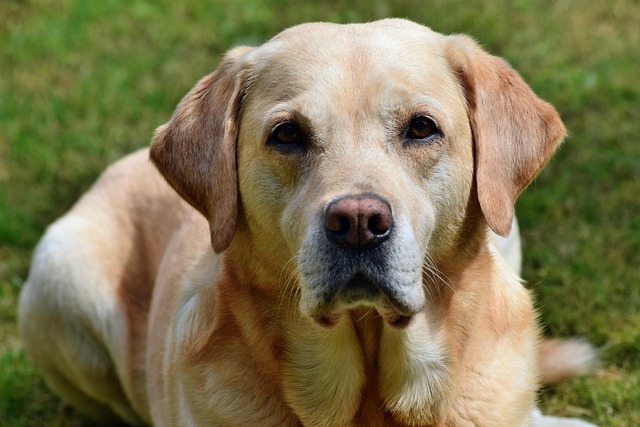
Many dog owners brush off occasional scratching as just “dog behavior,” but persistent itching often signals something more—like a food allergy.
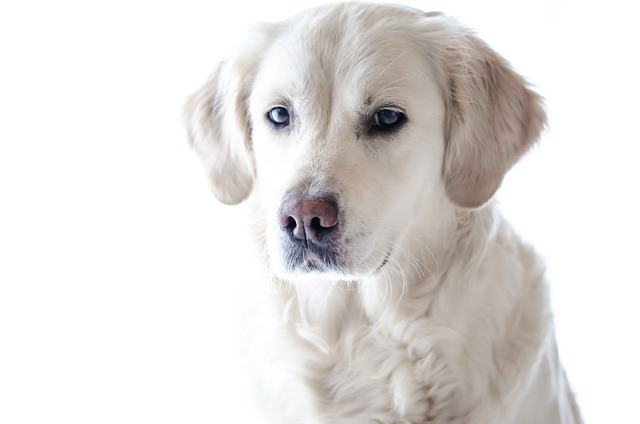
You might first notice your dog scratching more than usual—chewing at their paws until the fur looks thin, or rubbing their face against the couch nonstop.
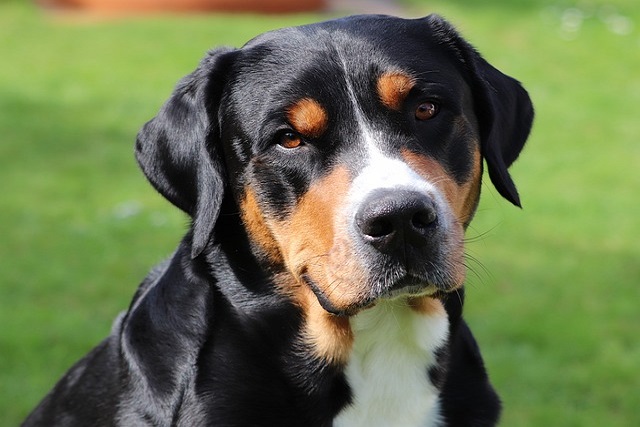
Let’s be real: You’re standing in your Chicago apartment, watching your 3-year-old Beagle, Max, huff and puff just to climb onto the couch.