

How do i train my dog to be obedient?
Watching your dog dart across the park ignoring your calls isn’t just frustrating—it can put them at risk near busy streets or public spaces.
You’re scrubbing yet another puddle off your Seattle apartment’s rented carpet while your 12-week-old Goldendoodle stares innocently. Desperate, you grab that "miracle" potty training spray promising to magically attract pups to pee zones. But does it actually work? Let’s cut through the marketing haze.
Most sprays use synthetic pheromones mimicking a mother dog’s "elimination cue" scent. While studies show some puppies respond (especially under 16 weeks), results vary wildly. Veterinary behaviorist Dr. Ben Carter (Portland) explains: "Sprays work best as scent breadcrumbs—not GPS. If your pup sniffs the sprayed pee pad but still circles away, their bladder pressure or distractions override the signal." Test it: Spray only one designated balcony potty area (never carpets!). If your pup consistently targets it within 3 days, it’s helping.
Now, the non-negotiables: Sprays fail without timing + positive reinforcement. Rush your pup to the spray zone after naps/meals—the instant they start sniffing. When they potty correctly, reward with high-value chicken mid-act, not after. Never scold for accidents; rubbing noses in urine violates anti-cruelty laws in all 50 states and the EU. Instead, clean messes with enzyme cleaners (not ammonia-based!). Baking soda won’t break down odor molecules that draw repeat offenses.

Here’s where compliance bites back: In NYC apartments, lingering pee smells breach lease agreements. Worse, uncollected outdoor "misses" during spray training risk fines—$250 in San Francisco per unattended pile. Always carry biodegradable bags, and attach rabies tags securely (even during 3 AM potty runs!). Pro tip: Use spray on a portable grass patch for high-rises; never spray public sidewalks.
But sprays aren’t universal fixes. Brachycephalic breeds (Bulldogs, Pugs) have weaker scent drives—prioritize hourly scheduled trips. For older rescues with anxiety? Skip sprays; consult a fear-free trainer instead. And remember: Sprays can’t override medical issues. If housebreaking regresses suddenly, test for UTIs—common in pups from pet stores.
Ultimately, view sprays as training wheels—not the bike itself. Pair with crate training and consistent walks. When accidents happen (they will!), avoid the spray bottle punishment myth—it’s abusive and confuses pups. That $12 bottle might shave days off training, but your patience is the real MVP.
Watching your dog dart across the park ignoring your calls isn’t just frustrating—it can put them at risk near busy streets or public spaces.

New puppy owners often find themselves rushing to clean up accidents before they set in, and that’s where puppy pad training becomes a game-changer.

If you've noticed your dog's waistline disappearing and your veterinarian has mentioned those few extra pounds, your first instinct might be to simply reduce the amount of food in their bowl.

Training a dog to use a designated spot indoors isn’t as daunting as many new owners fear, but it does take consistency and an understanding of your pet’s needs.
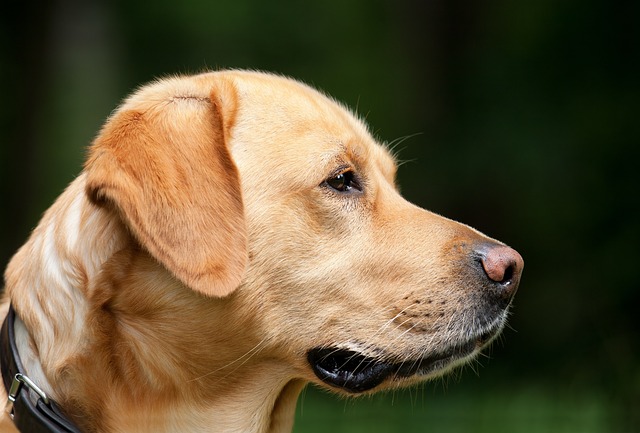
That moment of dread on a walk is all too familiar for many new dog owners. You see another dog approaching down the sidewalk of your neighborhood
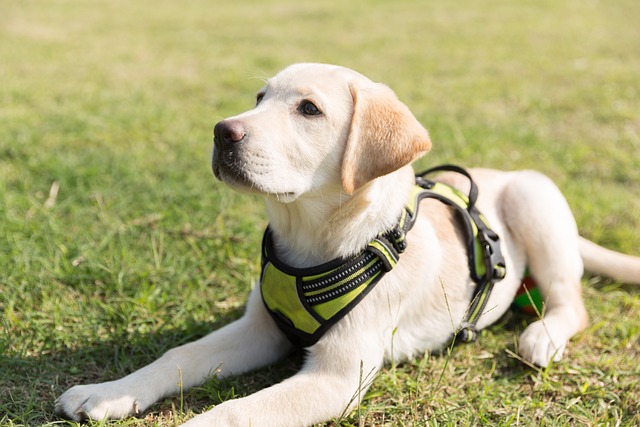
If the sight of another dog on your neighborhood walk makes your heart sink as your own dog erupts into a frenzy of barking and lunging, you're not alone.