
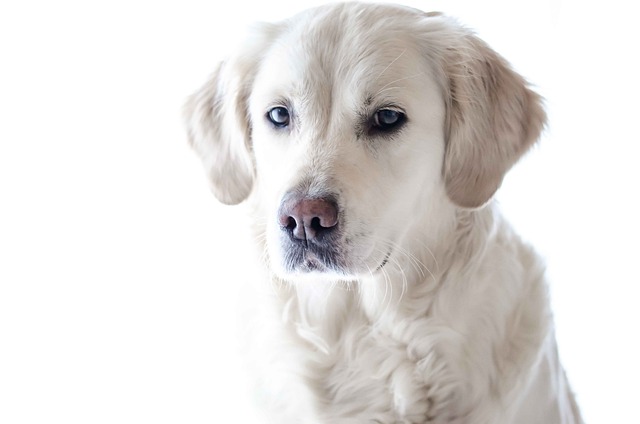
How can I tell if my dog's heatstroke is serious
Let’s be real: It’s a sticky August morning in Los Angeles, and you took your 2-year-old Golden Retriever, Max, for a walk a little later than usual
If you’ve ever caught your dog licking their paws raw or noticed a strong, musty smell coming from their ears, you might’ve stumbled on a yeast infection. New dog owners often turn to home remedies, and one that pops up everywhere is apple cider vinegar. Take my neighbor’s story: Her 4-year-old bulldog, Rocky, developed red, itchy skin between his toes last summer, and a friend swore apple cider vinegar would “kill the yeast.” She tried dabbing it on, but Rocky yelped—turns out, undiluted vinegar stings. So does apple cider vinegar really help with dog yeast infections? The answer is complicated: it might ease mild cases, but it’s no substitute for vet care.
Yeast infections in dogs, usually caused by Malassezia, thrive in warm, moist places—think between paw pads, in floppy ears, or under skin folds (common in bulldogs or pugs). They love alkaline environments, and apple cider vinegar is acidic, which can temporarily lower the pH, making it harder for yeast to grow. But here’s the catch: It only works on very mild infections, and only if used correctly. Yeast overgrowth often signals an underlying issue—like allergies, a weak immune system, or even too-frequent baths stripping natural oils—and vinegar won’t fix that. Using it on severe infections can irritate already sensitive skin, making things worse.
If you want to try apple cider vinegar for mild symptoms, do it safely. Mix 1 part vinegar with 3 parts warm water—never use it full-strength, as it burns broken skin. For paw infections, soak a cloth in the solution and gently wipe between toes; for ears, use a cotton ball to dab the mixture (avoid the ear canal). My friend’s vet approved this for her lab’s mild paw yeast, but warned: Stop if your dog acts painful, and never use it on open sores. Always pair it with vet check-ins—if symptoms (redness, odor, excessive licking) last more than 2 days, it’s time for professional help. Yeast infections can get stubborn, and prescription shampoos or antifungals are often needed.
Caring for a dog with a yeast infection ties into responsible pet habits. Keep their rabies vaccine current—all U.S. states require it, and a healthy immune system (a key defense against yeast) starts with proper healthcare. When out walking, always carry poop bags; even a dog with irritated skin needs clean up to respect community spaces (fines for littering hit $100+ in many cities). In apartments, keep their environment dry: wipe paws after walks, avoid damp bedding, and use a dehumidifier—moist air fuels yeast growth. Never scold a dog for licking an infection; they’re not misbehaving—offer a chew toy to distract them, using positive reinforcement to keep them calm.
Apple cider vinegar can be a gentle helper for mild yeast issues, but it’s no magic cure. With vet guidance and kind care, your dog’s itchy days will soon fade.
Let’s be real: It’s a sticky August morning in Los Angeles, and you took your 2-year-old Golden Retriever, Max, for a walk a little later than usual
You're enjoying a summer afternoon at the park when you notice your dog has stopped panting and appears disoriented - their gums are bright red
Let’s paint the picture: You’re in your Denver apartment, watching your 4-year-old Boston Terrier, Ruby, plop down mid-play session with her favorite toy

Many dog owners notice their pets nails seem shorter after regular walks,but how much does this daily activity actually help?The answer depends on where you walk—concrete sidewalks or asphalt streets gently file nails as a dog's paws hit the ground
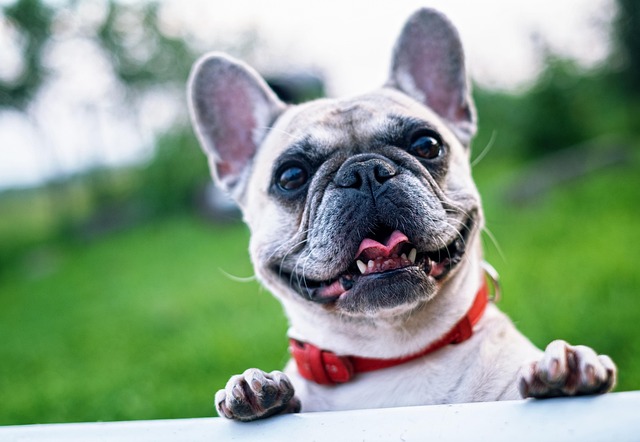
Most dog owners notice their pup scooting across the carpet at some point, but few connect it to impacted anal glands. These small sacs near a dog’s rectum secrete a scent for marking territory
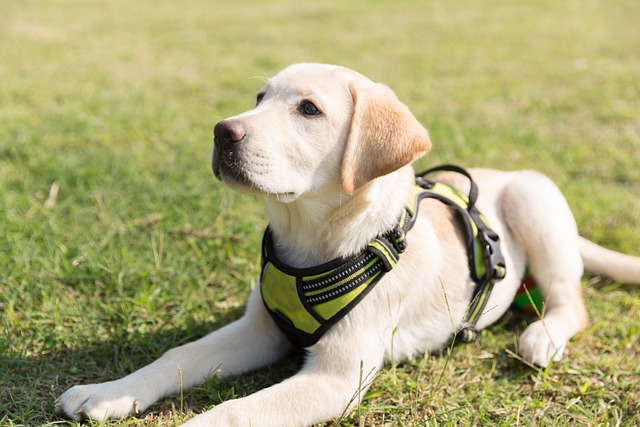
Most vets agree that regular dog teeth cleaning is key to avoiding painful dental issues later. For healthy adult dogs, a professional cleaning at the vet’s office every 12 to 18 months usually works well.