

How can I tell if my dog's heatstroke is serious
Let’s be real: It’s a sticky August morning in Los Angeles, and you took your 2-year-old Golden Retriever, Max, for a walk a little later than usual
On the lawn of the park, dogs can often be seen happily chasing frisbees or balls thrown by their owners. Their eyes sparkle with excitement, and after retrieving items, they proudly wag their tails, waiting for their owners' praise. This seemingly simple retrieval activity hides an important motivational effect on the spiritual level of dogs.
From the nature of dogs, as social animals, they have strong social and interactive needs. The pick-up activity provides dogs with an opportunity for deep interaction with their owners, satisfying their social desires. In this process, a special communication pattern is established between the dog and its owner, where the owner throws objects and the dog chases and retrieves them. Every successful cooperation is like a tacit dance. This interaction not only strengthens the emotional connection between the dog and its owner, but also makes the dog feel cared for and valued. When a dog runs back to its owner with an item in its mouth, sees the smile on the owner's face, and hears the owner's words of praise, it will gain great spiritual satisfaction from it, just like the joy we humans feel when we receive recognition from others after completing a task.
From an evolutionary perspective, the ancestor of dogs, wolves, was an animal with hunting instincts. Although the living environment of modern dogs has undergone significant changes after long-term domestication, their inherent hunting genes still exist. The retrieval activity simulates hunting scenes to a certain extent, satisfying the instinctive needs of dogs. Chasing moving objects, capturing them, and bringing them back allows dogs to unleash their hunting instincts. During this process, the dog's senses are stimulated in all directions, visually tracking the trajectory of objects, auditory capturing the owner's commands and the sound of objects flying, and olfactory tracking the scent of objects. This multi sensory stimulation is a rich nourishment for the spiritual world of dogs, keeping them alert and energetic.
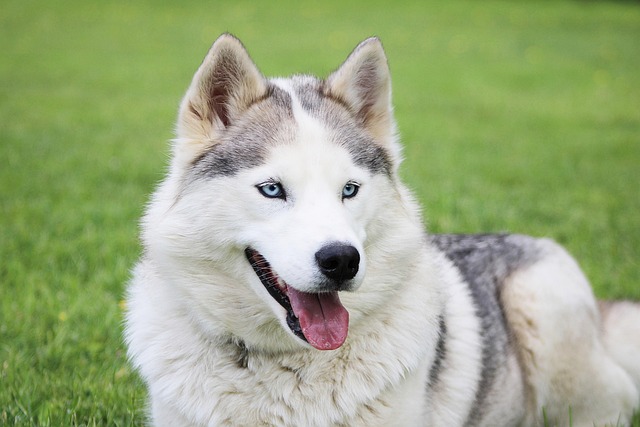
Picking up activities can also provide dogs with a sense of spiritual achievement. Dogs also need to constantly learn and master new skills during their growth process, just like humans, every successful experience can enhance their confidence. When a dog that was originally not interested in retrieving items gradually learns to chase and retrieve them under the patient guidance of its owner, it will feel proud of its progress. This sense of achievement will motivate dogs to actively participate in the picking activity and even actively request to play games. Dogs who participate in long-term retrieval activities will also be braver and more confident when facing other challenges in life, because they know that they can complete tasks through hard work.
In addition, carrying activities can also help dogs relieve stress and anxiety. In daily life, dogs also face various pressures, such as changes in the environment and loneliness. The pick-up activity provides dogs with an outlet to vent their emotions, allowing them to temporarily forget their troubles and immerse themselves in the joy of the game. When a dog is focused on chasing objects, its attention is completely drawn and anxiety and unease dissipate. Moreover, the physical fatigue caused by carrying activities also helps dogs relax and enter a better resting state.
Picking up activities have an undeniable motivational effect on dogs mentally. It not only meets the various spiritual needs of dogs, such as social, instinctual, and sense of achievement, but also helps dogs relieve stress and maintain physical and mental health. As owners, we should cherish the time spent with our dogs carrying them, and feel the joy and growth of our dogs in this process with our hearts. Through these simple and fun interactions, our bond with dogs will become even stronger, creating a life full of love and joy together.
Let’s be real: It’s a sticky August morning in Los Angeles, and you took your 2-year-old Golden Retriever, Max, for a walk a little later than usual

You're enjoying a summer afternoon at the park when you notice your dog has stopped panting and appears disoriented - their gums are bright red

Let’s paint the picture: You’re in your Denver apartment, watching your 4-year-old Boston Terrier, Ruby, plop down mid-play session with her favorite toy

Many dog owners notice their pets nails seem shorter after regular walks,but how much does this daily activity actually help?The answer depends on where you walk—concrete sidewalks or asphalt streets gently file nails as a dog's paws hit the ground
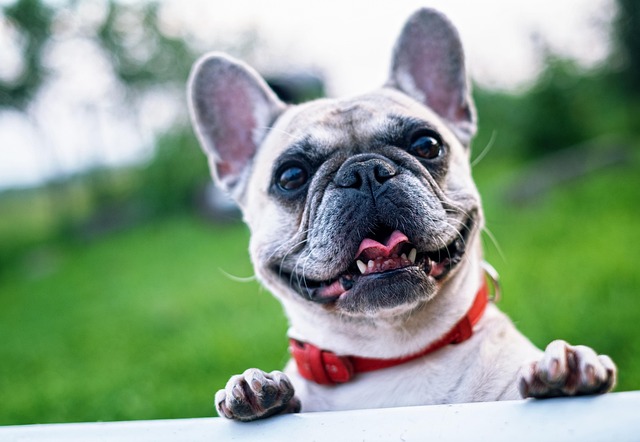
Most dog owners notice their pup scooting across the carpet at some point, but few connect it to impacted anal glands. These small sacs near a dog’s rectum secrete a scent for marking territory
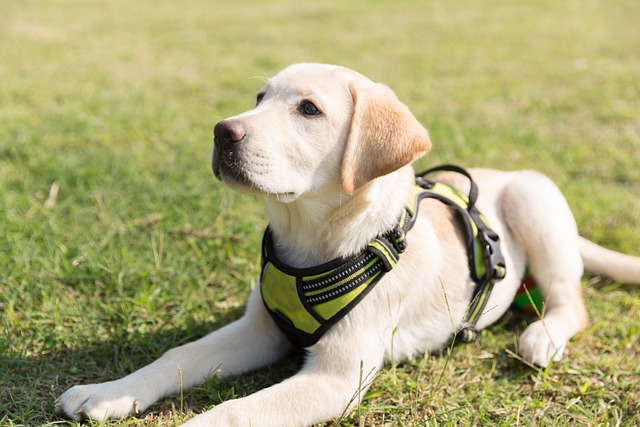
Most vets agree that regular dog teeth cleaning is key to avoiding painful dental issues later. For healthy adult dogs, a professional cleaning at the vet’s office every 12 to 18 months usually works well.