
What is glaucoma in a dog?
You might notice your dog squinting more at mealtime or avoiding bright sunlight—these small changes could be early signs of a serious eye condition.
When seeing the dog frequently excrete loose stools with mucus, looking listless, and its once bright eyes losing their luster, the owner's heart is filled with worry and heartache. Dogs can't speak, and they can only convey their pain and discomfort to us through abnormal physical reactions. So, what exactly is the cause of a dog's diarrhea with mucus? This question not only concerns the dog's physical health but also tugs at the heartstrings of every owner. We need to be guided by professional knowledge and with deep love for the dog, explore the root cause behind this and safeguard the dog's health.
From the perspective of the dog's intestinal physiological structure, under normal circumstances, the intestinal mucosa will secrete a small amount of mucus. These mucus are like the "natural protective film" of the intestine, playing a role in lubricating the intestine, protecting the intestinal mucosa, and facilitating the smooth excretion of food residues. However, when there are abnormal conditions in the intestine, the secretion mechanism of this protective film will be out of balance, and a large amount of mucus will be excreted with the feces, forming the diarrhea with mucus that we see. This is like the intestine sending an emergency distress signal to the owner. Every drop of mucus is telling the discomfort of the intestine, making the owner feel distressed when seeing it.
Infection factors are common and important causes of a dog's diarrhea with mucus. Bacterial infections are the first to be considered. Once harmful bacteria such as Escherichia coli and Salmonella multiply in large numbers in the dog's intestine, they will quickly disrupt the balance of the intestinal flora. The toxins produced by these bacteria will mercilessly stimulate the intestinal mucosa, triggering an inflammatory reaction. After being stimulated, the intestinal mucosa will secrete mucus excessively in an attempt to resist the invasion of bacteria. At the same time, the intestinal peristalsis will speed up, resulting in reduced water absorption and ultimately the symptoms of diarrhea with mucus. Sick dogs often also have symptoms such as vomiting, fever, and depression. The originally lively little guy becomes weak and lies on the ground unwilling to move. Watching the dog being tortured by bacteria, the owner is extremely anxious and wishes they could bear the pain for it, only hoping to find an effective treatment method as soon as possible to relieve the dog from the pain of the illness.
Viral infections are also a "big enemy" of a dog's intestinal health. Viruses such as canine distemper virus and parvovirus have strong destructive power. They will directly attack the intestinal cells, causing damage to the intestinal tissue. For dogs infected with parvovirus, the diarrhea symptoms are particularly severe. The feces not only contain a large amount of mucus but also often have a strong fishy smell and may even be mixed with blood. These viral infections not only seriously damage the dog's body but also make the owner fall into endless worry and fear. Every time seeing the dog struggling painfully due to a viral infection, the owner's heart seems to be tightly gripped, praying that the dog can get through the difficulties and regain its former vitality and energy.
Parasitic infections are also causes that cannot be ignored. Parasites such as roundworms, tapeworms, and coccidia parasitize in the dog's intestine. Their activities and metabolic products will continuously stimulate the intestinal wall and interfere with the normal function of the intestine. Some parasites will also absorb a large amount of nutrients in the dog's body, causing the dog to lose weight, become anemic, and other symptoms. When parasites trigger intestinal inflammation, the secretion of mucus increases, and diarrhea follows. Looking at the dog losing weight day by day due to a parasitic infection and its fur losing its luster, the owner is filled with self-blame and heartache, regretting not taking preventive measures in time and hoping to help the dog expel the parasites and recover its health as soon as possible.
Problems in the diet may also trigger a dog's diarrhea with mucus. Suddenly changing the dog food, the dog's stomach and intestines may not be able to adapt to the components and texture of the new food, resulting in disorder of digestive function. Just like humans may have gastrointestinal discomfort when suddenly changing their eating habits, the dog's intestine also needs time to adapt to the new food. In addition, eating spoiled, expired food, or accidentally ingesting sharp foreign objects, toxic plants, etc., will directly stimulate the intestine, triggering inflammation and diarrhea. Some owners, out of love for the dog, feed it too much high-fat and high-oil foods such as meat and snacks, which will increase the burden on the stomach and intestines, lead to indigestion, and then cause diarrhea with mucus. When seeing the dog feeling uncomfortable due to improper diet, the owner is filled with guilt, only hoping that the dog can get better soon and secretly determining to feed it more scientifically in the future.
Intestinal diseases will also cause a dog to have the symptom of diarrhea with mucus. Enteritis is a relatively common intestinal disease. Whether it is acute enteritis or chronic enteritis, it will cause congestion and edema of the intestinal mucosa, prompting an increase in mucus secretion. At the same time, the absorption and excretion functions of the intestine will also be affected, resulting in diarrhea. Ulcerative colitis is more serious. There will be ulcers and damage to the intestinal mucosa. In addition to mucus-like diarrhea, there may also be purulent blood in the feces. Intestinal obstructive diseases such as intussusception and intestinal obstruction will prevent the intestinal contents from passing through normally. The pressure in the intestine will increase, triggering a strong diarrhea reaction, and a large amount of mucus will also be excreted with the feces. The pain caused by these intestinal diseases to the dog is unimaginable. Every defecation may be accompanied by severe pain, and the owner can only anxiously wait beside it, eagerly hoping to find an effective treatment method to relieve the dog's pain.
In addition, the dog's stress response may also be a trigger for diarrhea with mucus. When the dog experiences moving, long-distance transportation, changing owners, or being frightened, or stimulated by noise, its spirit will be in a highly tense state. This tense emotion will affect the regulation of the intestine by the autonomic nervous system, leading to disorder of intestinal peristalsis and digestive function, and then diarrhea symptoms will occur. Some dogs will also have stress-induced diarrhea when going to the pet hospital due to the unfamiliar environment and fear. Watching the dog feel unwell due to tension and fear, the owner holds it in their arms distressedly and soothes it softly, hoping to give it enough a sense of security to calm it down.
The causes of a dog's diarrhea with mucus are complex and diverse. Each cause may pose a serious threat to the dog's health and also make the owner worried. When finding that the dog has such symptoms, the owner must stay calm, carefully observe whether the dog has other abnormal manifestations, and take the dog to the pet hospital for a comprehensive examination in a timely manner. Only through professional diagnosis and accurately finding out the cause of the disease can an effective treatment plan be formulated. During the treatment process, the owner should give the dog meticulous care and company and carry out nursing and feeding according to the doctor's instructions. Every care and protection is filled with the owner's deep love for the dog, hoping that it can overcome the disease soon and regain a healthy and happy life. Because in the owner's heart, the dog is not only a pet but also a family member, and its health and happiness are worthy of our all-out protection.
You might notice your dog squinting more at mealtime or avoiding bright sunlight—these small changes could be early signs of a serious eye condition.
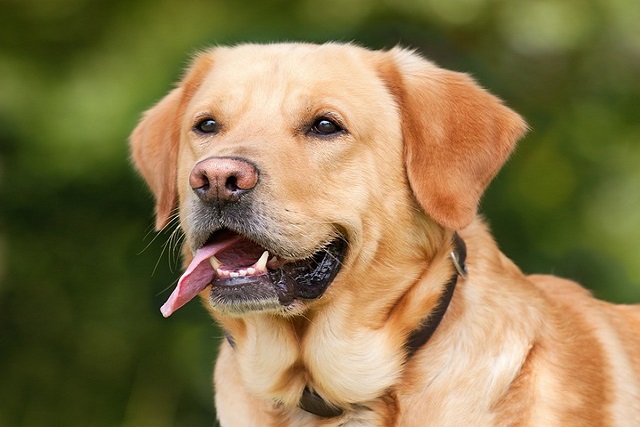
Let’s set the scene: It’s a sweltering Phoenix afternoon—105°F outside—and you rushed your 2-year-old Lab mix, Cooper, on a quick walk to “get it over with.”
Let’s get real: You’re in your Miami apartment, watching your 3-year-old Corgi, Loki, struggle to climb the stairs to your second-floor unit.
Many dog owners brush off occasional scratching as just “dog behavior,” but persistent itching often signals something more—like a food allergy.
You might first notice your dog scratching more than usual—chewing at their paws until the fur looks thin, or rubbing their face against the couch nonstop.
Let’s be real: You’re standing in your Chicago apartment, watching your 3-year-old Beagle, Max, huff and puff just to climb onto the couch.