
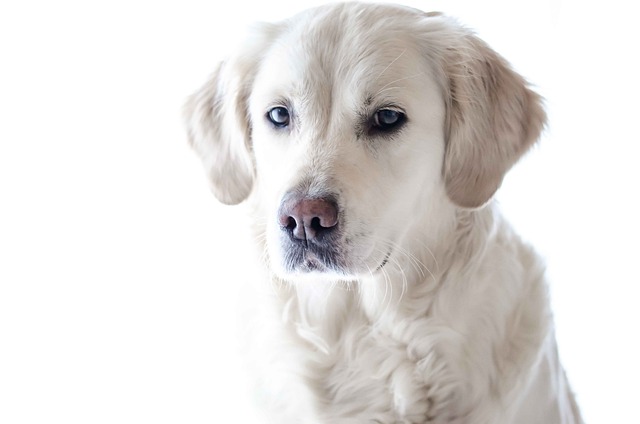
How can I tell if my dog's heatstroke is serious
Let’s be real: It’s a sticky August morning in Los Angeles, and you took your 2-year-old Golden Retriever, Max, for a walk a little later than usual
Watching your pup sneeze, cough, or sniffle nonstop is never fun—especially when you start wondering if that runny nose could land you under the weather too. Many new dog owners panic at the first sign of a dog upper respiratory infection, worried they’re sharing more than snuggles with their furry friend. The good news? Most of the time, you don’t need to stock up on your own tissues alongside your dog’s.
Dog upper respiratory infections are usually caused by viruses or bacteria that target canines specifically, like canine parvovirus or Bordetella bronchiseptica. These pathogens are adapted to live in a dog’s body, so they rarely jump to humans. Think of it like how your cold doesn’t make your fish sick—different species have different biological “doorways” for germs. Of course, there are rare exceptions, like the flu, but those cases are far less common than your average pup’s stuffy nose.
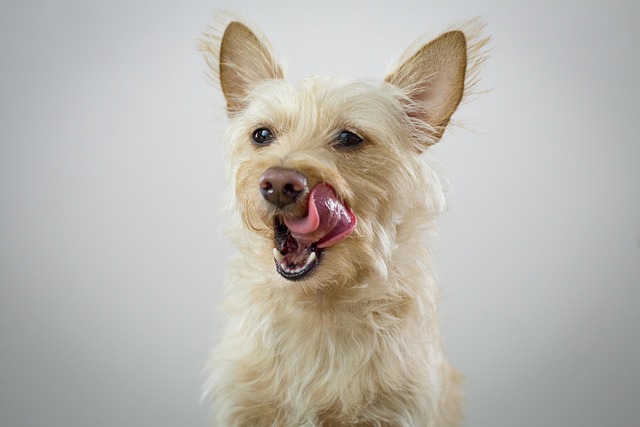 If your dog does catch an upper respiratory infection, focusing on their comfort and recovery is key. First, keep them away from other dogs—even if it’s tough to skip the dog park—since these infections are very contagious between pups. Make sure they have plenty of fresh water and a warm, quiet spot to rest; a humidifier can also ease their stuffy nose. And don’t forget: regular vet checkups and keeping up with vaccines (like the Bordetella shot, often required for doggy daycares or boarding) are the best ways to prevent infections in the first place.
Living with a sick pup also means staying on top of local rules and good neighborly habits. In most places, you’re still responsible for cleaning up after your dog, even if they’re under the weather—always carry bags and dispose of waste properly. If you live in an apartment, keep your dog’s coughing or sneezing from disturbing neighbors by limiting loud playtime until they’re better. And remember: positive reinforcement is still the way to go, even when your pup is grumpy—offer treats for calm behavior instead of scolding them for sneezing.
While a dog upper respiratory infection is no fun for your pup, it’s rarely a risk to you. By knowing the facts, taking simple steps to help your dog recover, and following local guidelines, you’ll both be back to walks and belly rubs in no time. Just keep an eye on their symptoms—if they’re struggling to breathe, not eating, or seem extra lethargic, a trip to the vet is a must to rule out more serious issues.
Let’s be real: It’s a sticky August morning in Los Angeles, and you took your 2-year-old Golden Retriever, Max, for a walk a little later than usual
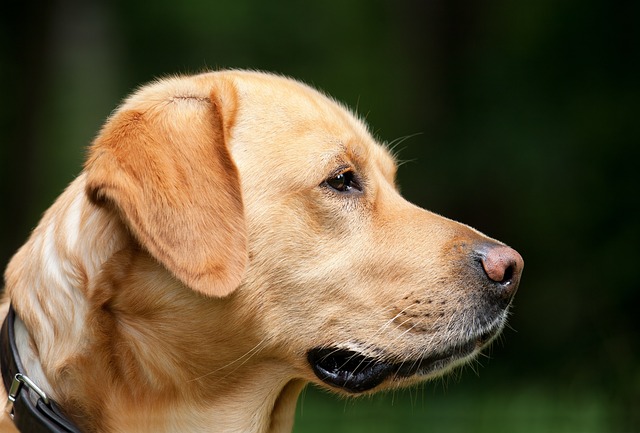
You're enjoying a summer afternoon at the park when you notice your dog has stopped panting and appears disoriented - their gums are bright red
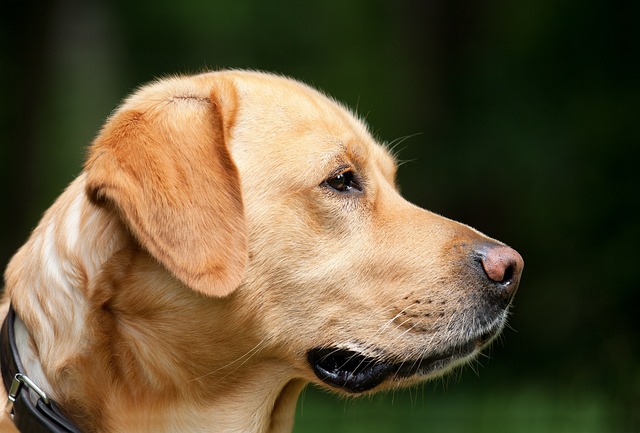
Let’s paint the picture: You’re in your Denver apartment, watching your 4-year-old Boston Terrier, Ruby, plop down mid-play session with her favorite toy

Many dog owners notice their pets nails seem shorter after regular walks,but how much does this daily activity actually help?The answer depends on where you walk—concrete sidewalks or asphalt streets gently file nails as a dog's paws hit the ground
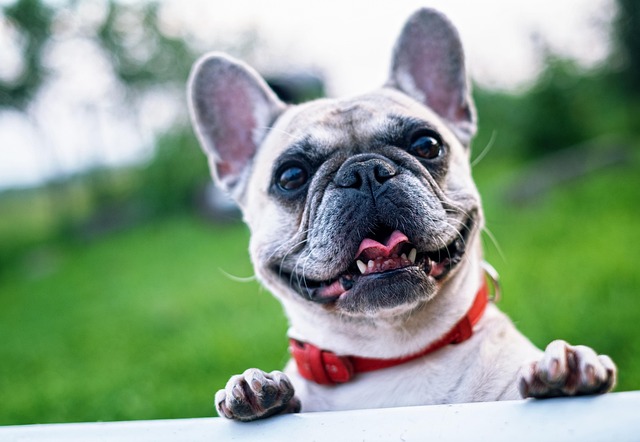
Most dog owners notice their pup scooting across the carpet at some point, but few connect it to impacted anal glands. These small sacs near a dog’s rectum secrete a scent for marking territory
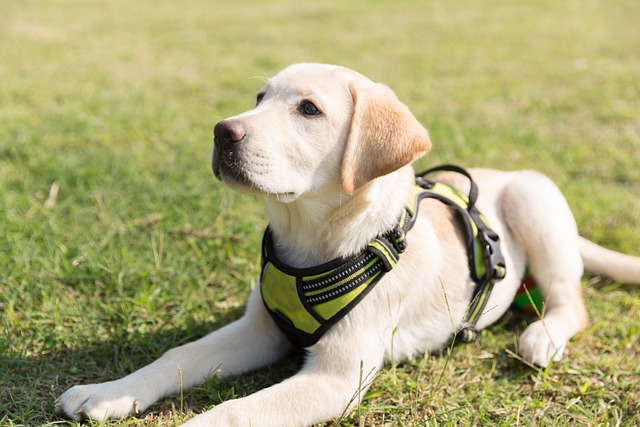
Most vets agree that regular dog teeth cleaning is key to avoiding painful dental issues later. For healthy adult dogs, a professional cleaning at the vet’s office every 12 to 18 months usually works well.