
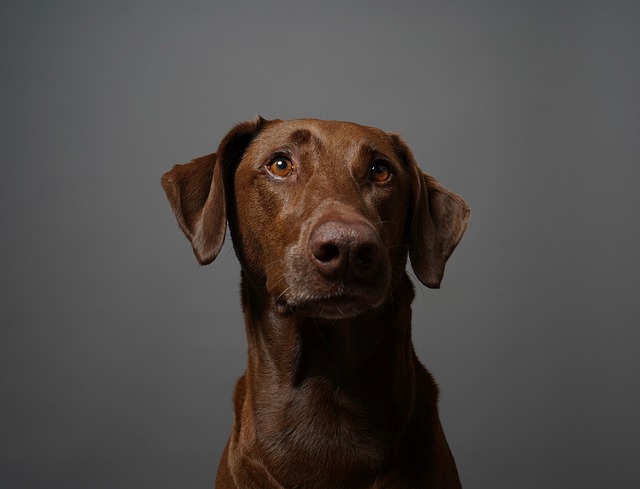
What is glaucoma in a dog?
You might notice your dog squinting more at mealtime or avoiding bright sunlight—these small changes could be early signs of a serious eye condition.
Noticing small changes in your dog—like drinking more water or having accidents indoors—can be easy to brush off, but these could be signs of early kidney disease. Many new pet owners don’t realize how common this condition is, especially in older dogs, and waiting to act can make treatment harder. The good news is that with early detection and the right care, you can help slow the disease and keep your pup comfortable for years.
Early kidney disease in dogs happens when the kidneys start to lose function gradually, often without obvious pain. The kidneys filter waste from the blood, so when they’re not working well, those wastes build up. Your vet will likely run blood tests (like a BUN or creatinine check) and a urine test to spot these changes—this is why regular checkups (even for healthy-looking dogs) are so important. For example, if your 8-year-old Labrador’s blood work shows slightly high waste levels, your vet might suggest starting treatment right away, even if your dog seems fine.
 The main goals of treatment for early kidney disease are to reduce kidney workload, control waste buildup, and keep your dog hydrated. Your vet might recommend a special prescription diet—these foods are low in protein (to lower waste) and high in omega-3s (to support kidney health). You’ll also need to make sure your dog always has fresh water available; some owners add a little low-sodium broth to their dog’s water bowl to encourage drinking. If your vet prescribes medication (like phosphate binders to lower mineral levels), set reminders on your phone to give doses on time—consistency here makes a big difference.
In many places, keeping up with your dog’s regular vet visits and following treatment plans isn’t just about health—it’s part of responsible pet ownership, which is often encouraged (and sometimes required) by local animal welfare guidelines. Never try to treat your dog with human medications, like ibuprofen, which can be toxic to dogs and worsen kidney damage. Also, avoid giving your dog high-protein treats (like jerky) unless your vet says it’s okay—sticking to the prescribed diet is key to keeping their kidneys healthy.
Watching your dog go through a chronic condition like early kidney disease can feel overwhelming, but you’re not alone. Working closely with your vet to adjust treatment as needed—whether that’s changing their diet or adding supplements—will help your dog stay active and happy. Remember, small, consistent steps (like giving meds on time and checking their water bowl often) add up to big wins for their health. With your care, your dog can still enjoy walks in the park, cuddles on the couch, and all the little joys of being part of your family.
You might notice your dog squinting more at mealtime or avoiding bright sunlight—these small changes could be early signs of a serious eye condition.
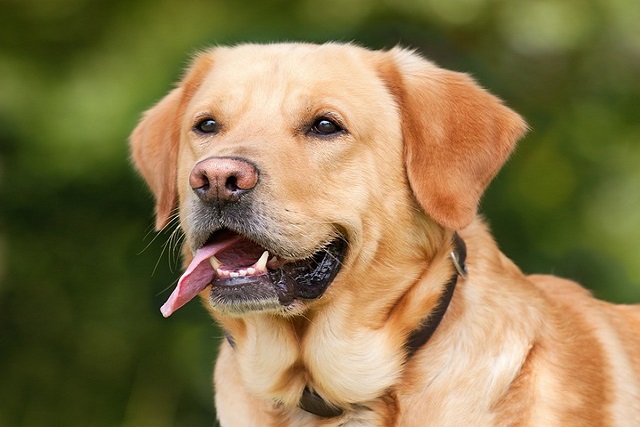
Let’s set the scene: It’s a sweltering Phoenix afternoon—105°F outside—and you rushed your 2-year-old Lab mix, Cooper, on a quick walk to “get it over with.”
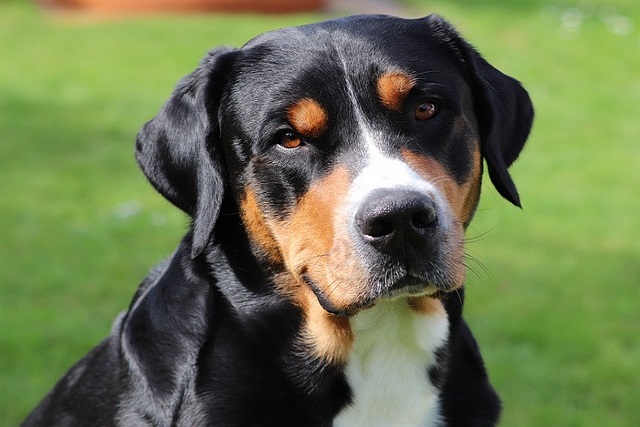
Let’s get real: You’re in your Miami apartment, watching your 3-year-old Corgi, Loki, struggle to climb the stairs to your second-floor unit.
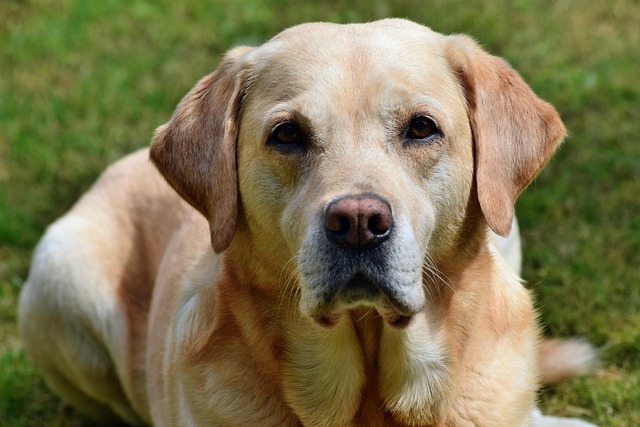
Many dog owners brush off occasional scratching as just “dog behavior,” but persistent itching often signals something more—like a food allergy.
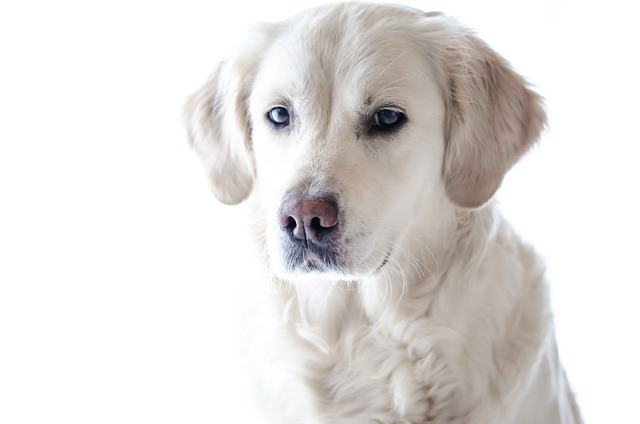
You might first notice your dog scratching more than usual—chewing at their paws until the fur looks thin, or rubbing their face against the couch nonstop.
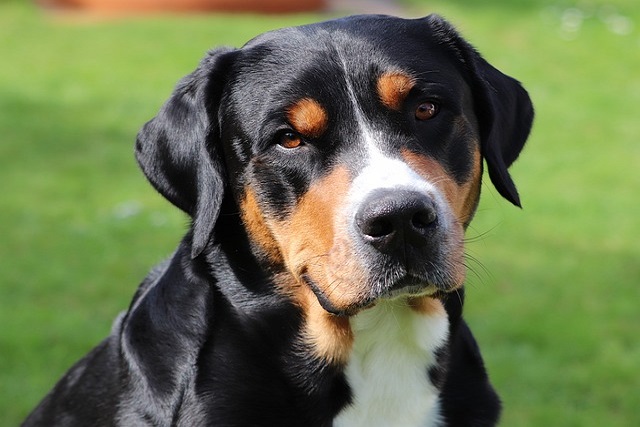
Let’s be real: You’re standing in your Chicago apartment, watching your 3-year-old Beagle, Max, huff and puff just to climb onto the couch.