

How do i train my dog to be obedient?
Watching your dog dart across the park ignoring your calls isn’t just frustrating—it can put them at risk near busy streets or public spaces.
Most dog owners enter the training journey expecting the puppy phase to be their biggest challenge. After all, aren't puppies the ones having accidents everywhere and chewing up your favorite shoes? While those early months certainly have their moments, experienced dog trainers and behavioral experts will tell you something different: the hardest age to train a dog isn't during those adorable puppy weeks, but rather during the often-overlooked adolescent phase.
This revelation catches many pet parents off guard. You've successfully navigated house training, basic commands, and those needle-sharp puppy teeth, only to find yourself facing an entirely new set of challenges around your dog's sixth month birthday. Understanding why this happens and how to handle it effectively can make the difference between a well-adjusted adult dog and years of behavioral struggles.
Dogs, much like human teenagers, go through distinct developmental phases that profoundly impact their behavior and learning capacity. The puppy stage, lasting roughly from birth to four months, is characterized by rapid learning and high receptivity to new experiences. During this critical socialization period, puppies are naturally programmed to absorb information and form positive associations with their environment.
However, between six and eighteen months of age, dogs enter what behavioral scientists call the adolescent phase. This period brings dramatic physical, hormonal, and neurological changes that fundamentally alter how dogs respond to training. Their brains are literally rewiring themselves, with areas responsible for impulse control and decision-making still under construction. Think of it as your dog's equivalent of the teenage years, complete with mood swings, selective hearing, and an irresistible urge to test every boundary you've carefully established.
The adult phase, beginning around eighteen to twenty-four months depending on the breed, typically sees a return to more predictable behavior patterns as hormones stabilize and brain development completes. Large breeds may take even longer to reach full maturity, sometimes not settling into their adult personalities until they're three years old.
So why exactly is dog training during adolescence so particularly challenging? The answer lies in a perfect storm of biological and psychological factors that create the most difficult training environment possible.
Hormonal surges during adolescence affect everything from attention span to impulse control. Just as human teenagers become more prone to risk-taking behavior, adolescent dogs experience a surge in confidence that often translates to ignoring previously mastered commands. That puppy who used to come running when called might suddenly develop selective hearing, especially when something more interesting catches their attention.
The challenges of training adolescent dogs extend beyond simple disobedience. Their brains are undergoing significant restructuring, particularly in areas responsible for executive function. This means the neural pathways that helped them learn and retain information as puppies are literally being rewired. Commands they knew perfectly at four months might seem completely foreign at eight months, not because they're being stubborn, but because their cognitive processing has fundamentally changed.
Independence also emerges as a major factor during this phase. While puppies naturally look to their owners for guidance and security, adolescent dogs begin developing their own decision-making processes. This evolutionary adaptation served wild dogs well, helping them transition from dependent pack members to capable hunters. In our living rooms, however, this newfound independence often manifests as a dog who suddenly questions why they should sit when you ask, especially if they've spotted a squirrel outside.
Fear periods also complicate training during adolescence. Dogs may suddenly become reactive to stimuli they previously ignored, or develop new anxieties that weren't present during puppyhood. A dog who confidently walked past other dogs as a puppy might suddenly become nervous or overly excited around other canines, requiring patience and counter-conditioning to overcome these new responses.
Successfully navigating this challenging phase requires adapting your training approach to work with, rather than against, your adolescent dog's changing brain. Consistency becomes absolutely crucial during this period, even when it feels like your dog has forgotten everything they ever learned.
Effective adolescent dog training tips start with understanding that repetition is your friend. Those commands your dog mastered as a puppy need to be reinforced constantly during adolescence. Don't assume they're being defiant if they don't respond immediately; their brain simply needs more time to process and execute familiar behaviors.
Increasing the value of your rewards can work wonders during this phase. The treats that motivated your puppy might not be enough to capture your adolescent dog's attention when competing with environmental distractions. High-value rewards like small pieces of chicken, cheese, or whatever makes your dog's eyes light up can help maintain their focus during training sessions.
Mental stimulation becomes equally important as physical exercise during adolescence. Puzzle toys, scent work, and training games that challenge your dog's problem-solving abilities can help channel their energy constructively while reinforcing your bond. A mentally tired adolescent dog is much more likely to listen and respond positively to training cues.
Impulse control exercises prove particularly valuable during this phase. Teaching your dog to wait before eating, sit before going through doorways, or maintain a stay despite distractions helps develop the self-control that adolescent brains struggle to maintain naturally. These exercises literally help build the neural pathways associated with good decision-making.
Environmental management also plays a crucial role in successful adolescent training. If your dog struggles with recall around other dogs, practice in environments with fewer distractions before gradually increasing difficulty. Setting your dog up for success by controlling variables helps build confidence and reinforces positive behavior patterns.
Many well-intentioned dog owners make critical mistakes during the adolescent phase that can actually worsen behavioral problems. Understanding these common pitfalls can help you avoid setbacks during this already challenging period.
One of the most damaging mistakes is giving up on training altogether. When a previously well-behaved dog suddenly starts ignoring commands, frustrated owners often assume their dog is being willfully disobedient and reduce training efforts. This approach actually reinforces problematic behaviors by removing structure and consistency exactly when your dog needs them most.
Increasing punishment or becoming more forceful in training methods rarely yields positive results during adolescence. The stress of adolescent brain changes makes dogs more sensitive to negative experiences, and harsh corrections can create lasting fear or anxiety associations. Instead of improving behavior, punitive methods often increase reactivity and damage the trust between dog and owner.
Another common error involves inconsistent expectations among family members. If one person allows jumping while another corrects it, your adolescent dog's already-confused brain receives mixed messages that make learning nearly impossible. Everyone in the household needs to maintain the same rules and expectations during this critical phase.
Comparing your adolescent dog to their puppy self sets unrealistic expectations that lead to frustration for both of you. Understanding that temporary setbacks are completely normal during this developmental phase helps maintain the patience necessary for successful training outcomes.
Skipping socialization during adolescence is another mistake with long-term consequences. While the critical socialization period occurs during puppyhood, continued positive exposure to new experiences during adolescence helps prevent the development of fears and reactivity that can persist into adulthood.
The adolescent phase represents both the most challenging and most critical period in your dog's training journey. While it requires extra patience, consistency, and understanding, successfully navigating this phase sets the foundation for a lifetime of positive behavior and strong communication between you and your dog.
Remember that every dog progresses through adolescence at their own pace. Large breeds may experience extended adolescent periods, while smaller dogs might mature more quickly. Genetics, individual personality, and early experiences all influence how dramatically adolescent changes affect your specific dog's behavior.
Professional help becomes invaluable during this phase, especially for first-time dog owners or those dealing with particularly challenging behaviors. A qualified dog trainer or behavioral consultant can provide personalized strategies and support to help you and your dog succeed during this difficult transition.
Most importantly, remember that adolescent behavioral challenges are temporary. The dog who ignores your recall command at ten months old can absolutely become the reliable companion who comes running every time you call by their second birthday. The key lies in maintaining consistent training, appropriate expectations, and the understanding that this phase, however frustrating, is a normal and necessary part of your dog's development into a well-adjusted adult.
Embracing the adolescent training phase with patience and persistence will ultimately strengthen your bond with your dog and create the foundation for years of mutual respect and understanding. While it may be the hardest age to train a dog, it's also the period that truly shapes your dog's adult personality and your relationship together.
Watching your dog dart across the park ignoring your calls isn’t just frustrating—it can put them at risk near busy streets or public spaces.

New puppy owners often find themselves rushing to clean up accidents before they set in, and that’s where puppy pad training becomes a game-changer.

If you've noticed your dog's waistline disappearing and your veterinarian has mentioned those few extra pounds, your first instinct might be to simply reduce the amount of food in their bowl.

Training a dog to use a designated spot indoors isn’t as daunting as many new owners fear, but it does take consistency and an understanding of your pet’s needs.

That moment of dread on a walk is all too familiar for many new dog owners. You see another dog approaching down the sidewalk of your neighborhood
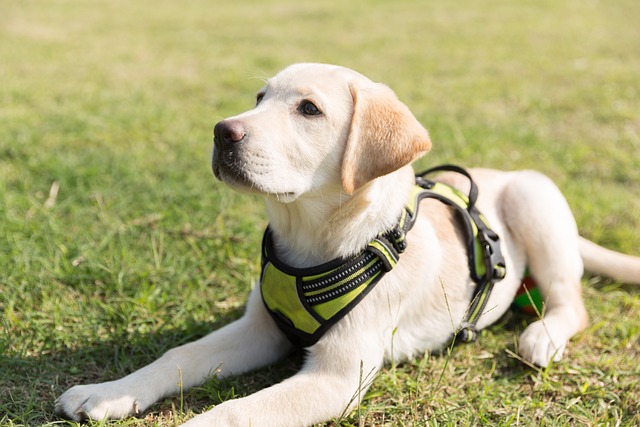
If the sight of another dog on your neighborhood walk makes your heart sink as your own dog erupts into a frenzy of barking and lunging, you're not alone.