

How can I tell if my dog's heatstroke is serious
Let’s be real: It’s a sticky August morning in Los Angeles, and you took your 2-year-old Golden Retriever, Max, for a walk a little later than usual
You just bought that chic charcoal sofa for your Seattle apartment, only to find it dusted with golden retriever glitter within hours. Sound familiar? While no magic wand stops shedding completely (it’s a natural process!), strategic home care can slash fur tumbleweeds by 60-80%. Let’s break down the science-backed approach.
Dogs shed based on daylight exposure and genetics—not the season. When days shorten, pups grow winter undercoats; as sunlight increases, they "blow coat." Breeds like Huskies or Labs shed year-round. Forcing coat retention harms their health, but managing loose fur is fair game. Start with nutrition: Omega-3 fatty acids in fish oil strengthen hair follicles. Dr. Jennifer Coates, a veterinary advisor, notes diets with 18%+ protein and 5-8% fat optimize coat health—consider brands like Purina Pro Plan Sensitive Skin.
Your battle plan needs three weapons: grooming, cleaning, and diet tweaks. Invest in a slicker brush and an undercoat rake—use them 3x weekly outdoors to capture 90% of loose fur before it floats inside. For short-haired breeds, a rubber curry comb (like Kong’s ZoomGroom) lifts dead hairs during bath time. Bathe monthly with oatmeal shampoo; over-washing strips natural oils, triggering more shedding. Apartment dwellers: groom on a balcony or bathroom tile for easy cleanup. Vacuum daily with a pet-specific model (Shark’s Pet Perfect+ rocks for carpets), and toss blankets in the dryer with wool dryer balls to trap hairs.

Safety and compliance matter. Never shave double-coated breeds (German Shepherds, Pomeranians)—it ruins their insulation and sun protection, banned by ethical groomers under Animal Welfare Acts. If using deshedding tools like Furminators, apply very light pressure—scraping skin causes micro-cuts. Check your lease: some Boston high-rises require professional carpet cleaning annually if you own pets. When walking, promptly brush off loose fur in parks instead of letting it fly—Seattle fines $125 for "failure to contain pet debris."
American dog culture demands kindness. Yanking mats or scolding during grooming creates fear. Instead, smear peanut butter on a lick mat while brushing. Positive reinforcement makes maintenance stress-free. If neighbors complain about fur in shared laundry machines (common in Brooklyn lofts), offer to lint-roll drums afterward—it’s about community respect.
Lastly, vet checkups are non-negotiable. Sudden heavy shedding? Could signal thyroid issues or allergies. In the EU and U.S., vets must report neglect cases where poor coats indicate malnutrition.
Consistency wins this fur war. In 4-6 weeks, you’ll see fewer tumbleweeds and a healthier coat. Your reward? More cuddle time, less vacuuming!
Let’s be real: It’s a sticky August morning in Los Angeles, and you took your 2-year-old Golden Retriever, Max, for a walk a little later than usual

You're enjoying a summer afternoon at the park when you notice your dog has stopped panting and appears disoriented - their gums are bright red

Let’s paint the picture: You’re in your Denver apartment, watching your 4-year-old Boston Terrier, Ruby, plop down mid-play session with her favorite toy

Many dog owners notice their pets nails seem shorter after regular walks,but how much does this daily activity actually help?The answer depends on where you walk—concrete sidewalks or asphalt streets gently file nails as a dog's paws hit the ground
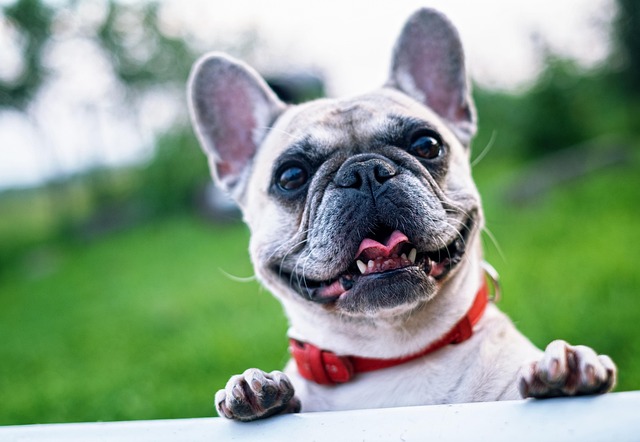
Most dog owners notice their pup scooting across the carpet at some point, but few connect it to impacted anal glands. These small sacs near a dog’s rectum secrete a scent for marking territory

Most vets agree that regular dog teeth cleaning is key to avoiding painful dental issues later. For healthy adult dogs, a professional cleaning at the vet’s office every 12 to 18 months usually works well.