

What is glaucoma in a dog?
You might notice your dog squinting more at mealtime or avoiding bright sunlight—these small changes could be early signs of a serious eye condition.
When you find that your dog, who is usually lively and always welcomes you enthusiastically, suddenly has a poor appetite, eats dog food cautiously, and even loses interest in his favorite snacks, and you pry open his mouth and see the red, swollen and ulcerated oral mucosa, I believe every owner's heart will tighten instantly. Dogs with stomatitis not only suffer physical pain, but also affect their emotions and quality of life due to discomfort. At this time, how much the owner hopes to use his own hands to dispel the pain for his fur child. In fact, in the early stage of the disease or when the symptoms are mild, the owner can use scientific and professional methods to help the dog relieve symptoms at home and gradually overcome stomatitis.
To treat dog stomatitis at home, you first need to accurately judge the condition. Stomatitis is a common oral disease in dogs. In addition to the above-mentioned loss of appetite and difficulty in eating, the main symptoms may also be increased drooling, even bloody or odorous saliva, redness and swelling of the oral mucosa, ulcers, and in severe cases, swelling and bleeding of the gums. When observing, the owner should gently open the dog's lips and carefully check the inside of the mouth. If you find white or yellow patches in your dog's mouth, or small ulcers on the mucosal surface, it is likely that the dog has stomatitis. However, if the dog also has systemic symptoms such as fever and mental depression, or the condition continues to worsen, it must be taken to the pet hospital in time, because this may mean that the infection is more serious and requires professional drugs and treatment.
 After confirming that the dog has stomatitis, cleaning the mouth is the first and most critical task, which is like cleaning debris from the injured wound and creating a good environment for healing. The owner can prepare a special pet oral cleaning solution, which usually contains bactericidal and anti-inflammatory ingredients, which can effectively inhibit the growth of bacteria in the mouth. After diluting the cleaning solution according to the instructions, wrap a clean medical cotton ball or gauze around your finger and gently wipe the dog's teeth, gums and oral mucosa. Be gentle when wiping, because the dog's mouth is very sensitive at this time, and the slightest carelessness may cause pain, making it resist subsequent cleaning work. If the dog is more resistant to wiping, the owner can first soothe its emotions, use gentle words and gentle touches to relax it, and then try to clean it. Oral cleaning should be performed after each feeding, and the oral cavity should be kept as clean and hygienic as possible to reduce the chance of food residues fermenting and breeding bacteria in the mouth.
In addition to cleaning the mouth, adjusting the diet is also crucial. When a dog suffers from stomatitis, hard dog food will irritate the oral wound and aggravate the pain, so it is necessary to temporarily replace the dry and hard food with soft and easily digestible food. You can use warm water to soften the dog food, or prepare some nutritious wet food and meat paste. These foods can ensure that the dog takes in enough nutrition without putting too much burden on the mouth. When feeding, try to put the food in a place where the dog can easily eat, avoid it from lowering its head or opening its mouth too much, and reduce the discomfort in the mouth. At the same time, make sure that the dog can drink clean water at any time. Adequate drinking water helps flush the mouth, promotes metabolism, and is very helpful for recovery from the disease.
In daily care, the owner can also supplement vitamins for the dog to enhance its resistance. Vitamin B plays an important role in maintaining the health of oral mucosa. After consulting a veterinarian, you can feed your dog an appropriate amount of pet-specific vitamin B tablets, or choose foods rich in vitamin B, such as animal liver, brown rice, etc., cook these foods and mash them into a paste, and mix them with the dog's food. In addition, some natural ingredients with antibacterial and anti-inflammatory effects, such as honeysuckle and chrysanthemum, can also be added to the dog's drinking water in appropriate amounts. Boil water with honeysuckle or chrysanthemum, and give it to the dog after cooling, which can help relieve oral inflammation, but pay attention to controlling the dosage to avoid gastrointestinal discomfort caused by excessive drinking.
Treating dog stomatitis is a "protracted battle" that requires the owner's patience and care. During this process, the owner should always pay attention to the dog's condition and observe whether the oral symptoms have improved. If the dog's condition has not improved significantly after about a week of home care, or even shows signs of deterioration, be sure to take it to the hospital immediately. The doctor will determine whether drug treatment is needed through detailed examinations, such as oral antibiotics to control infection, or the use of special oral ointments to promote wound healing.
The owner is distressed to see the once lively dog become listless due to stomatitis. But as long as we use professional knowledge, careful care and full of love, we can definitely help the dog overcome the disease. Every patient cleaning, every carefully prepared food, every gentle comfort, is the owner's expression of love for the dog, and this love will eventually turn into healing power, allowing the dog to show a bright smile again and run happily in the sun again.
You might notice your dog squinting more at mealtime or avoiding bright sunlight—these small changes could be early signs of a serious eye condition.
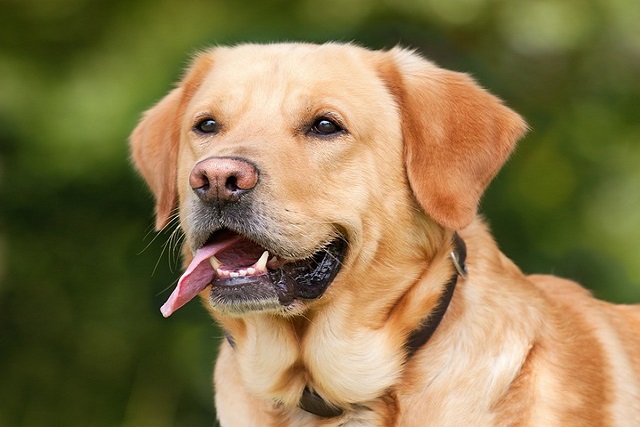
Let’s set the scene: It’s a sweltering Phoenix afternoon—105°F outside—and you rushed your 2-year-old Lab mix, Cooper, on a quick walk to “get it over with.”

Let’s get real: You’re in your Miami apartment, watching your 3-year-old Corgi, Loki, struggle to climb the stairs to your second-floor unit.

Many dog owners brush off occasional scratching as just “dog behavior,” but persistent itching often signals something more—like a food allergy.

You might first notice your dog scratching more than usual—chewing at their paws until the fur looks thin, or rubbing their face against the couch nonstop.

Let’s be real: You’re standing in your Chicago apartment, watching your 3-year-old Beagle, Max, huff and puff just to climb onto the couch.