
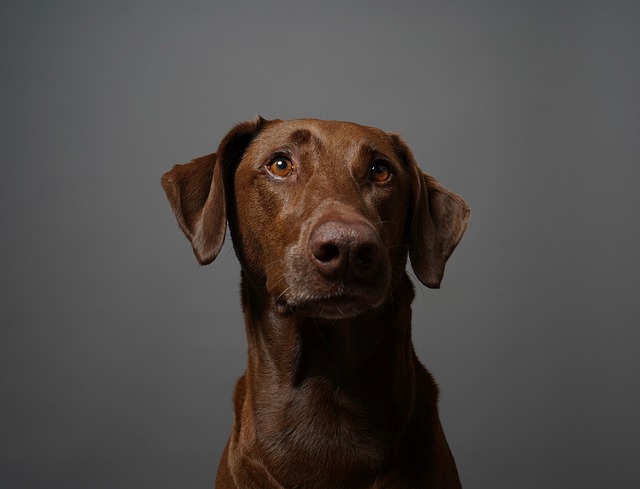
What is glaucoma in a dog?
You might notice your dog squinting more at mealtime or avoiding bright sunlight—these small changes could be early signs of a serious eye condition.
Dog’s infected paw can turn a playful walk into a painful struggle, and spotting the signs early is key. Redness, swelling, or a foul odor are clear flags—maybe your pup is licking or chewing the area nonstop, even yelping when you touch it. These aren’t just minor nuisances; left unchecked, an infected paw can lead to bigger issues, especially if your dog spends time outdoors in damp grass or rough terrain, common in many suburban and rural areas across Europe and North America.
First, gather your supplies: a bowl of warm (not hot) water, a mild antiseptic solution recommended by vets, clean gauze, and a towel. Avoid harsh soaps or hydrogen peroxide—they can irritate the skin further. Gently lift your dog’s paw and dip it in the water, swishing it around to loosen any dirt or debris. If your dog resists, try wrapping a damp cloth around the paw for a minute to soften crusts before wiping. Pat dry thoroughly; moisture trapped between toes is a breeding ground for more bacteria.
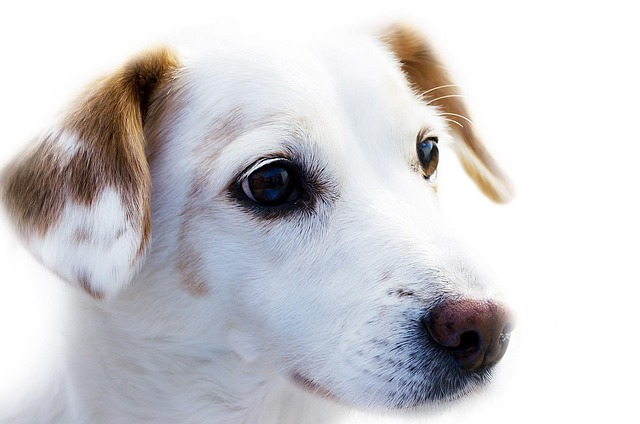
After cleaning, apply a vet-approved antibiotic ointment to the infected area. Be sure to keep your dog from licking it off—an Elizabethan collar might be necessary, even if it looks a bit silly. Check the paw daily for changes: is the redness fading? Is your dog putting weight on it more comfortably? If you notice pus, increased swelling, or if your dog seems lethargic, don’t wait—call the vet. In some places, like parts of Germany, neglecting a pet’s medical needs can lead to fines under animal welfare laws, so prompt care isn’t just kind—it’s responsible.
Prevention matters too. After walks, especially in muddy or grassy areas, wipe your dog’s paws with a damp cloth to remove irritants. Keep nails trimmed to avoid overgrowth that can cause splits or infections. If you live in an area with strict leash laws, like many cities in the U.S., regular paw checks become even more important—restricted movement can mean your dog is more likely to chew at an irritated paw out of boredom.
Remember, every dog is different. A small breed might have more delicate paw pads, while a working dog’s paws are tougher but still prone to cracks. Adjust your care routine to fit your dog’s lifestyle. And when in doubt, consult a professional. Veterinarians are familiar with local health risks, from regional parasites to plant irritants, and can offer advice tailored to your area.
Taking care of an infected paw isn’t glamorous, but it’s part of keeping your dog happy and healthy. Those wiggly tails and excited zoomies after a walk are worth the extra effort. With patience, gentle cleaning, and a watchful eye, your pup’s paw will be back to its perky self in no time.
You might notice your dog squinting more at mealtime or avoiding bright sunlight—these small changes could be early signs of a serious eye condition.
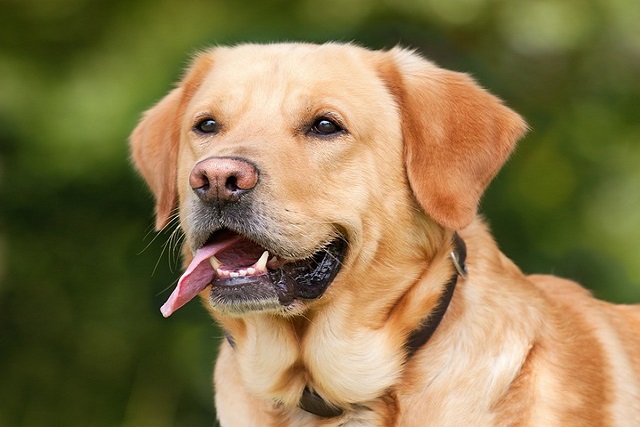
Let’s set the scene: It’s a sweltering Phoenix afternoon—105°F outside—and you rushed your 2-year-old Lab mix, Cooper, on a quick walk to “get it over with.”
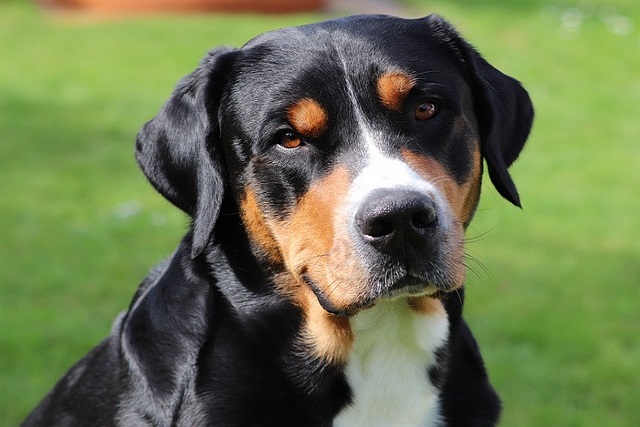
Let’s get real: You’re in your Miami apartment, watching your 3-year-old Corgi, Loki, struggle to climb the stairs to your second-floor unit.
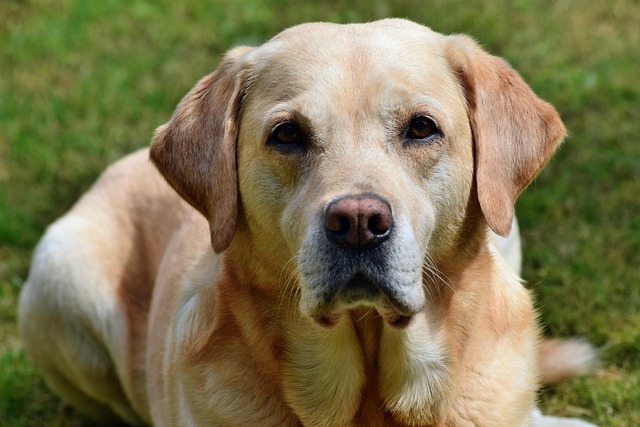
Many dog owners brush off occasional scratching as just “dog behavior,” but persistent itching often signals something more—like a food allergy.
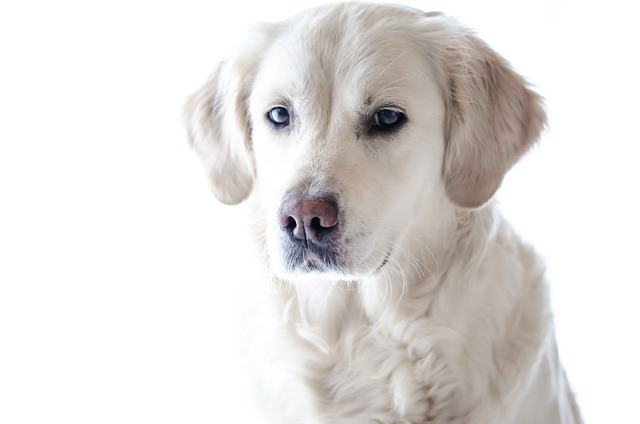
You might first notice your dog scratching more than usual—chewing at their paws until the fur looks thin, or rubbing their face against the couch nonstop.
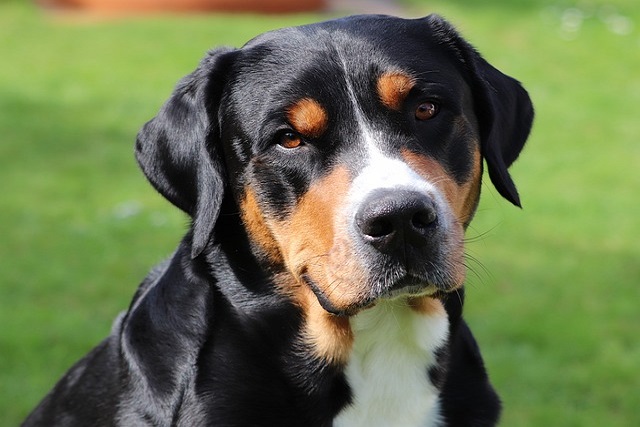
Let’s be real: You’re standing in your Chicago apartment, watching your 3-year-old Beagle, Max, huff and puff just to climb onto the couch.