
How do i train my dog to be obedient?
Watching your dog dart across the park ignoring your calls isn’t just frustrating—it can put them at risk near busy streets or public spaces.
That hesitant look, the slow approach, or the reluctance to come when called—these are signs that the trust between you and your dog needs some work. Gaining your dog's trust isn't about demanding obedience; it's about becoming a predictable, safe, and rewarding presence in their world. This is especially crucial for dogs living in bustling apartment complexes, where elevators, hallway noises, and close encounters with strangers can be a constant source of low-grade anxiety. Building trust is the foundation for a happy, confident companion and it's a process built on patience, not a quick fix.
The science behind trust is rooted in canine psychology and the principles of positive reinforcement. Dogs learn to trust humans who consistently provide positive outcomes. Every interaction is a building block: when you call your dog and something good happens (a tasty treat, a fun game), their trust grows. Conversely, using force, yelling, or punitive methods—practices that are culturally unacceptable and often illegal in many U.S. jurisdictions—shatters that trust. It teaches the dog that you are a source of fear or unpredictability, which can lead to more behavioral issues. Trust is built by being your dog’s advocate and teacher, not their bully.
Your daily actions are the most powerful tool you have. Start by managing your own energy; dogs are incredibly perceptive to our emotional states, so a calm demeanor is reassuring. Use high-value treats like small pieces of boiled chicken or cheese to reward desired behaviors voluntarily offered, like choosing to sit near you or making eye contact. This is called capturing, and it powerfully shows your dog that their good choices pay off. Respect their boundaries. If they are scared of a noise or a person, don’t force an interaction; simply create distance and reassure them with your calm presence. Hand-feeding them their meals for a week is another powerful trust-building exercise, reinforcing that you are the source of all good things.
This mindful approach to building a secure bond directly influences your public life together. A dog that trusts you is more likely to stay calm and focused on walks, making it easier to practice good community etiquette. This includes the non-negotiable responsibility of always carrying waste bags and cleaning up immediately—a basic legal requirement and act of respect in every American community. Furthermore, part of being a trustworthy owner is ensuring your dog’s health and safety, which includes keeping their rabies vaccination meticulously up-to-date. This is not just a medical must-do; it’s the law and a fundamental aspect of your social contract as a pet owner. By combining this conscientious public behavior with your dedicated trust-building at home, you’re not just creating a well-behaved dog; you’re earning a loyal friend for life.
Watching your dog dart across the park ignoring your calls isn’t just frustrating—it can put them at risk near busy streets or public spaces.
New puppy owners often find themselves rushing to clean up accidents before they set in, and that’s where puppy pad training becomes a game-changer.
If you've noticed your dog's waistline disappearing and your veterinarian has mentioned those few extra pounds, your first instinct might be to simply reduce the amount of food in their bowl.

Training a dog to use a designated spot indoors isn’t as daunting as many new owners fear, but it does take consistency and an understanding of your pet’s needs.
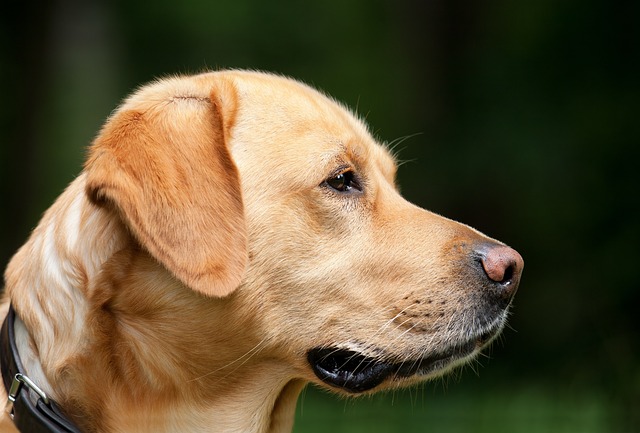
That moment of dread on a walk is all too familiar for many new dog owners. You see another dog approaching down the sidewalk of your neighborhood
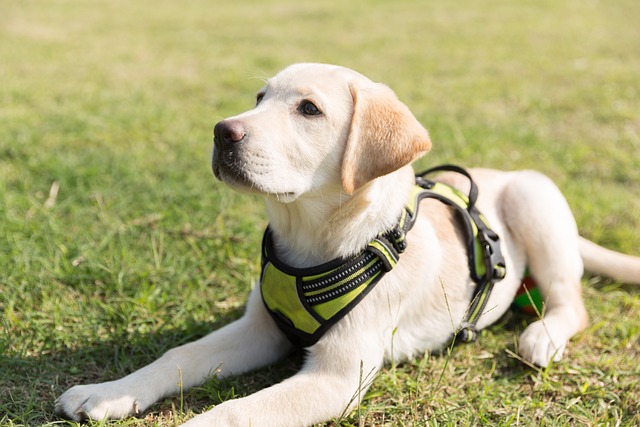
If the sight of another dog on your neighborhood walk makes your heart sink as your own dog erupts into a frenzy of barking and lunging, you're not alone.