
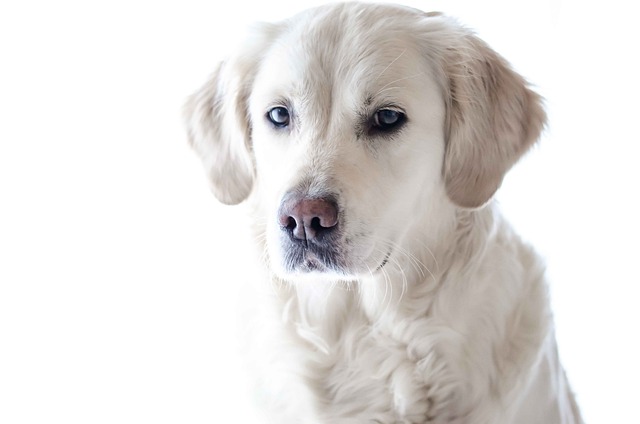
How can I tell if my dog's heatstroke is serious
Let’s be real: It’s a sticky August morning in Los Angeles, and you took your 2-year-old Golden Retriever, Max, for a walk a little later than usual
Dogs are the most loyal companions in our lives. Their lively ears are always attentively tuned in to the surrounding sounds, bringing us endless joy and company. However, when we notice ear discharge in our dogs, every dog - lover becomes extremely worried. These abnormal secretions not only affect the dog's health but may also signal serious ear problems. So, how exactly can we help our dogs get rid of the trouble of ear discharge?
First and foremost, understanding the causes of ear discharge in dogs is of utmost importance. A dog's ear structure is rather complex, with an L - shaped ear canal, which makes it more prone to trapping dirt and debris. One of the common causes is ear mite infestation. Ear mites are tiny parasites that thrive in warm and humid environments, and a dog's ear provides just such a cozy habitat. When a dog is infected with ear mites, it will scratch its ears frequently, and there will be dark - brown secretions in the ears, resembling coffee grounds. Just imagine these little bugs causing chaos in the dog's ears, making the dog unbearably itchy. As an owner, how can you not feel distressed?
Apart from ear mites, bacterial or fungal infections are also common factors leading to increased ear secretions. If a dog's ears remain wet for a long time, for example, if not dried thoroughly after a bath, it is easy for bacteria and fungi to multiply. These microorganisms proliferate in large numbers in the ears, triggering inflammation, resulting in yellow, green, or white secretions, often accompanied by an unpleasant odor. Watching the dog shake its head and scratch its ears due to ear discomfort, the owner is filled with anxiety and wishes to solve the problem for the dog immediately.
Allergies are also a factor that cannot be overlooked. Dogs may be allergic to substances such as food, pollen, and dust. The allergic reaction can affect the ears, leading to ear secretions. In this case, the dog's ears may become red, swollen, and itchy, and the characteristics of the secretions will also vary. Each dog is a unique individual, and their allergy causes are also different, which requires the owner to observe carefully and identify the root cause.
When we notice ear discharge in our dogs, we must not handle it blindly on our own. The key is to take the dog to the veterinarian promptly. The veterinarian will conduct professional examinations to determine the cause. First is an ear visual inspection. Using special tools, the veterinarian can observe the inside of the dog's ear canal to check for foreign objects, inflammation, parasites, etc. Sometimes, a sample of the ear discharge will be collected for microscopic examination, which can accurately determine the type of pathogen infection. Although this process makes the owner a bit nervous, only an accurate diagnosis can lead to the right treatment and help the dog recover quickly.
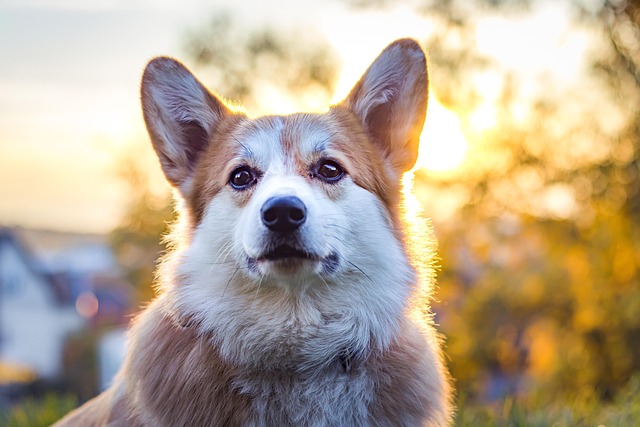 The treatment methods vary depending on the causes. If it is an ear mite infestation, the veterinarian usually prescribes special anti - mite ear drops. When using the ear drops, the owner needs to be extremely patient and careful. Gently open the dog's ear, drop an appropriate amount of ear drops as directed, and then gently massage the base of the ear to ensure that the medicine is evenly distributed in the ear canal. During this process, the dog may struggle due to discomfort, and the owner should soothe it softly and give it a sense of security. Generally, it takes continuous use for a period of time to completely eliminate the ear mites and relieve the dog from itching.
For bacterial or fungal infections, medications containing antibiotics or antifungal ingredients may be required. These medications can effectively inhibit or kill the pathogens and reduce inflammation. During the treatment period, the owner must strictly follow the veterinarian's instructions to administer the medicine on time and not stop the medication 擅自 just because the dog's symptoms seem to have improved, otherwise, the condition is likely to relapse. Watching the dog gradually regain its former liveliness during the treatment, the owner's heart is filled with hope.
If the ear problem is caused by allergies, in addition to treating the ear symptoms, it is also necessary to identify and avoid the allergens. This may require the owner to spend some time and effort to identify the possible allergens one by one through methods such as dietary adjustments and environmental cleaning. For example, try changing to different brands of dog food and observe the dog's reaction; regularly clean the home environment to reduce the accumulation of dust and pollen. For the dog's health, the owner is willing to make every effort.
In addition to treatment, preventing ear discharge in dogs is equally important. Regular ear cleaning for dogs is essential. Use special pet ear cleaning solutions, 1 - 2 times a week, and gently wipe the dog's outer ear canal, which can effectively remove dirt and excess earwax and keep the ears clean and dry. At the same time, pay attention to the dog's living environment, keep the room well - ventilated, and avoid excessive humidity. After the dog takes a bath, be sure to dry the ears thoroughly to prevent water from remaining. Every owner hopes that their dog can grow up healthily and happily, and these seemingly simple preventive measures can provide strong protection for the dog's ear health.
The problem of ear discharge in dogs should not be ignored. It requires us to treat it with love and professional knowledge. When we notice abnormal ear conditions in our dogs, don't panic. Seek veterinary help promptly and actively cooperate with the treatment. Because dogs are one of the most important family members in our lives, and their health tugs at our hearts. Let's work together to make the dog's ears clean and fresh again and let them continue to accompany us happily.
Let’s be real: It’s a sticky August morning in Los Angeles, and you took your 2-year-old Golden Retriever, Max, for a walk a little later than usual
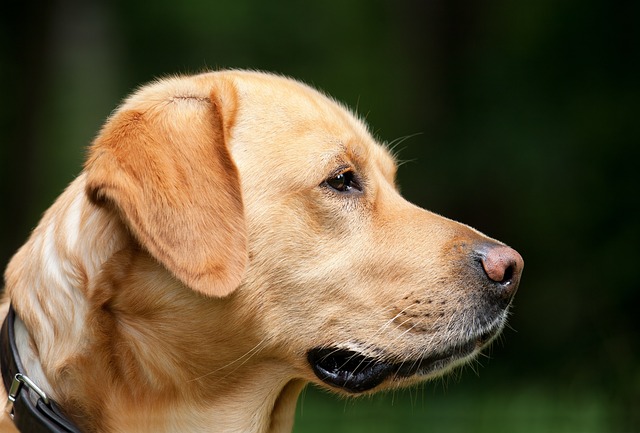
You're enjoying a summer afternoon at the park when you notice your dog has stopped panting and appears disoriented - their gums are bright red
Let’s paint the picture: You’re in your Denver apartment, watching your 4-year-old Boston Terrier, Ruby, plop down mid-play session with her favorite toy

Many dog owners notice their pets nails seem shorter after regular walks,but how much does this daily activity actually help?The answer depends on where you walk—concrete sidewalks or asphalt streets gently file nails as a dog's paws hit the ground
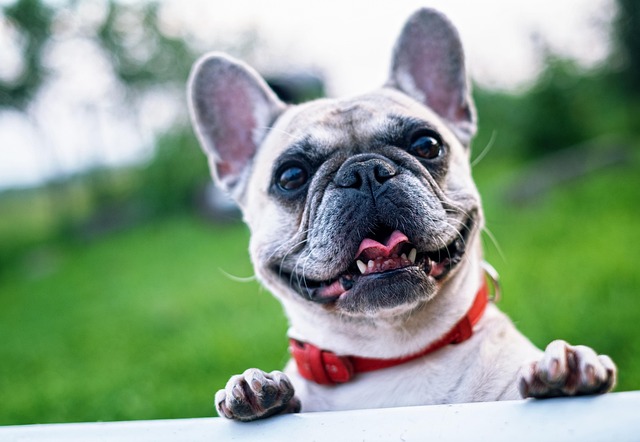
Most dog owners notice their pup scooting across the carpet at some point, but few connect it to impacted anal glands. These small sacs near a dog’s rectum secrete a scent for marking territory
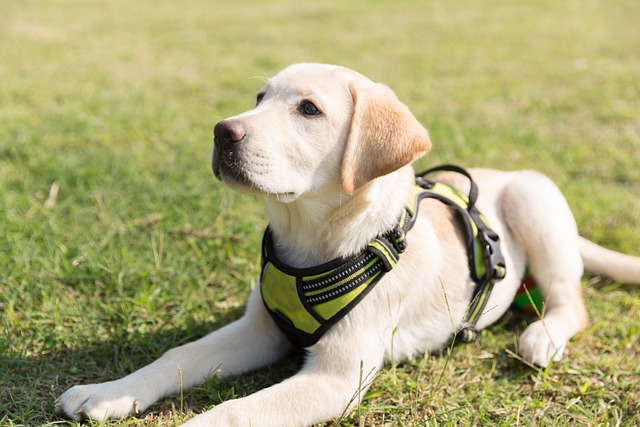
Most vets agree that regular dog teeth cleaning is key to avoiding painful dental issues later. For healthy adult dogs, a professional cleaning at the vet’s office every 12 to 18 months usually works well.