

How can I tell if my dog's heatstroke is serious
Let’s be real: It’s a sticky August morning in Los Angeles, and you took your 2-year-old Golden Retriever, Max, for a walk a little later than usual
Bringing a dog home is like welcoming a new family member, but it comes with important responsibilities. From daily needs to long-term health, getting the basics right sets your furry friend up for a happy life.
Start with the essentials: food, water, and shelter. Dogs need high-quality food formulated for their age, size, and activity level. Puppies have different nutritional needs than adult dogs, so always check the label. Provide fresh water at all times—invest in a durable water bowl and refill it regularly. And whether it’s a cozy dog bed indoors or a well-insulated outdoor kennel, make sure your dog has a safe, comfortable place to rest.
Regular veterinary care isn’t optional. Schedule an initial check-up soon after adoption to get vaccinations, deworming, and a general health assessment. Many areas have laws requiring rabies vaccinations, so staying up-to-date is crucial for both your dog’s safety and legal compliance. Annual wellness exams help catch health issues early, saving you worry and potentially costly treatments down the road.

Exercise is key to a balanced dog. Most breeds need at least 30 minutes to an hour of activity daily, whether it’s brisk walks, fetch in the yard, or playtime at a local dog park. Just be mindful of leash laws—many public spaces require dogs to be on a leash, and off-leash areas usually have specific rules. Exercise isn’t just about physical health; it also keeps your dog mentally stimulated and reduces destructive behavior.
Training starts from day one. Basic commands like “sit,” “stay,” and “come” aren’t just party tricks—they keep your dog safe and make daily life easier. Positive reinforcement training, using treats and praise, works wonders. Socialization is equally important. Expose your dog to different people, animals, and environments early on to prevent fear or aggression issues later. But always respect others’ boundaries—some people aren’t comfortable around dogs.
Grooming needs vary by breed. Short-haired dogs might just need a quick brush once a week, while long-haired breeds could require daily detangling. Regular nail trims prevent discomfort and damage to floors or furniture. And don’t forget dental care—brushing your dog’s teeth a few times a week helps avoid bad breath, gum disease, and tooth loss.
Finally, understand local regulations. Licensing your dog is often mandatory and helps ensure they can be identified if lost. Some areas have breed-specific laws or restrictions on where dogs can go. Familiarize yourself with waste disposal rules too—always clean up after your dog in public spaces. Being a responsible dog owner means following the rules and respecting your community.
Caring for a dog is a rewarding journey filled with love and laughter. By covering these basics, you’ll build a strong bond with your new companion and create a harmonious life together.
Let’s be real: It’s a sticky August morning in Los Angeles, and you took your 2-year-old Golden Retriever, Max, for a walk a little later than usual

You're enjoying a summer afternoon at the park when you notice your dog has stopped panting and appears disoriented - their gums are bright red

Let’s paint the picture: You’re in your Denver apartment, watching your 4-year-old Boston Terrier, Ruby, plop down mid-play session with her favorite toy

Many dog owners notice their pets nails seem shorter after regular walks,but how much does this daily activity actually help?The answer depends on where you walk—concrete sidewalks or asphalt streets gently file nails as a dog's paws hit the ground
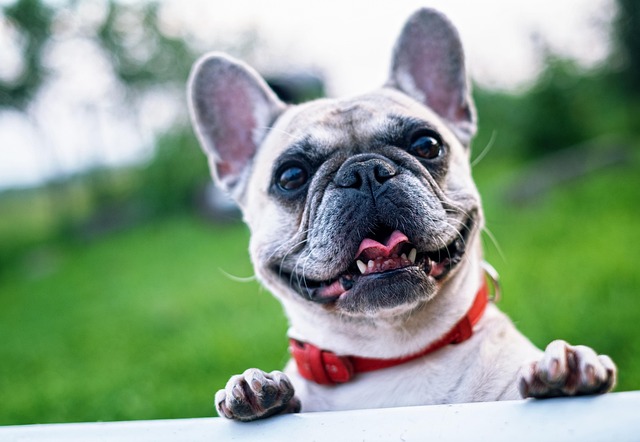
Most dog owners notice their pup scooting across the carpet at some point, but few connect it to impacted anal glands. These small sacs near a dog’s rectum secrete a scent for marking territory

Most vets agree that regular dog teeth cleaning is key to avoiding painful dental issues later. For healthy adult dogs, a professional cleaning at the vet’s office every 12 to 18 months usually works well.