

How can I tell if my dog's heatstroke is serious
Let’s be real: It’s a sticky August morning in Los Angeles, and you took your 2-year-old Golden Retriever, Max, for a walk a little later than usual
Bringing home a litter of wiggly dog puppies feels like welcoming tiny balls of energy into your life. Their curious noses and playful nips make every day an adventure, but keeping them healthy and happy takes more than just cuddles. Start with their diet—puppies need food formulated for their growing bodies, with the right mix of protein and nutrients to support those developing bones. Skip the table scraps, especially things like chocolate or onions, which can be toxic. A consistent feeding schedule, three to four times a day for young pups, helps keep their tummies settled and energy levels steady.
Watching for signs of good health is key. Those first few weeks mean regular trips to the vet to stay on top of vaccinations—distemper, parvovirus, these are big ones that can be life-threatening if missed. Your vet will also talk about deworming and when to start flea and tick prevention, all part of keeping your puppy in tip-top shape. Keep an eye on their stool and energy levels; any sudden changes might mean a call to the clinic. It’s also a good time to ask about local requirements for puppy registration or identification, little things that keep you on the right side of community rules.
 Socialization matters more than you might think. Letting your puppy meet other friendly dogs, gentle kids, and new people helps them grow into confident adults. Take them for short walks once they’re vaccinated, letting them sniff new sights and sounds—just remember to keep them on a leash in public spaces, as many areas require it. Training starts early too, even with the smallest pups. Simple commands like “sit” or “come” build trust, and positive reinforcement with treats or praise works better than scolding. Patience here pays off; those tiny brains are absorbing everything, even when it feels like they’re ignoring you.
Your home needs a few tweaks to be puppy-safe. Tuck away loose wires they might chew, move cleaning products to high shelves, and block off stairs if they’re still unsteady on their feet. A cozy bed in a quiet corner gives them a safe space to nap, away from the chaos of daily life. Puppies sleep a lot—up to 20 hours a day—so letting them rest when they need to helps them grow. And yes, there will be accidents. Crate training can help with housebreaking, but never leave them locked up for too long. Consistency with potty breaks, right after meals or naps, teaches them where to go.
As they grow, their needs change. Puppy food transitions to adult food around 12 months, but your vet can guide you on timing based on their breed. Playtime gets more active too—fetch, tug-of-war, these games burn off energy and strengthen your bond. It’s also when you’ll notice their personality shine through; some might be bold explorers, others snuggle bugs. Embrace their quirks—those are the things that make your puppy one of a kind.
Remember, raising a puppy is a journey with ups and downs. There will be chewed shoes and midnight whimpers, but there will also be first steps, sloppy kisses, and the joy of watching them grow. Staying informed about local laws—like leash rules in parks or vaccination mandates—keeps both you and your puppy safe, and part of being a responsible pet owner. At the end of the day, it’s the love and care you pour in that turns a tiny puppy into a loyal companion for years to come.
Let’s be real: It’s a sticky August morning in Los Angeles, and you took your 2-year-old Golden Retriever, Max, for a walk a little later than usual

You're enjoying a summer afternoon at the park when you notice your dog has stopped panting and appears disoriented - their gums are bright red

Let’s paint the picture: You’re in your Denver apartment, watching your 4-year-old Boston Terrier, Ruby, plop down mid-play session with her favorite toy

Many dog owners notice their pets nails seem shorter after regular walks,but how much does this daily activity actually help?The answer depends on where you walk—concrete sidewalks or asphalt streets gently file nails as a dog's paws hit the ground
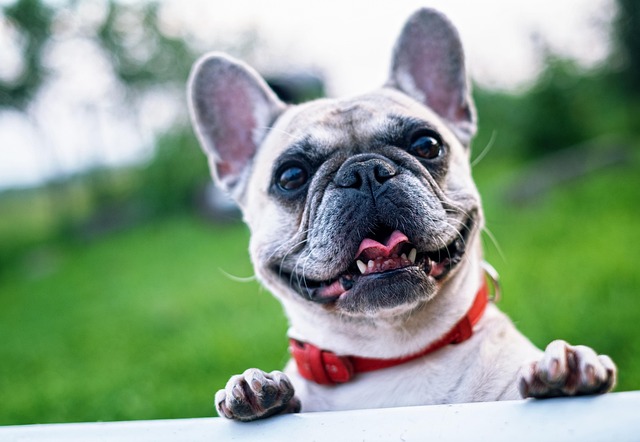
Most dog owners notice their pup scooting across the carpet at some point, but few connect it to impacted anal glands. These small sacs near a dog’s rectum secrete a scent for marking territory

Most vets agree that regular dog teeth cleaning is key to avoiding painful dental issues later. For healthy adult dogs, a professional cleaning at the vet’s office every 12 to 18 months usually works well.