

How can I tell if my dog's heatstroke is serious
Let’s be real: It’s a sticky August morning in Los Angeles, and you took your 2-year-old Golden Retriever, Max, for a walk a little later than usual
Watching a tiny puppy explore the world—paws tripping over rugs, nose snuffling every corner—often sparks a curious question: Will that fluffy coat stay short and sleek, or grow into a flowing mane? It’s more than just a style query; a puppy’s adult hair type can affect grooming needs, climate adaptability, and even compliance with local pet regulations.
Start by examining those baby hairs. Short-haired breeds like Labradors or Beagles usually have a smooth, dense coat from birth, with little fuzz around the ears or legs. Run your hand along their back—if it feels like velvet without much resistance, chances are they’ll stay short. Long-haired pups, though, often sport wispy strands around their eyes, paws, or tail base early on. Think of a Golden Retriever or Shih Tzu puppy: their fur might look slightly unkempt, like they’ve got a permanent case of bedhead, even at 8 weeks old.
Genetics play the biggest role, of course. If you know the parents, that’s a huge clue. A Border Collie with a long, feathered coat paired with another long-haired mate will likely produce fluffy offspring. But mixed breeds can be trickier. A friend in Portland once adopted a mystery pup that looked like a short-haired terrier—until 6 months later, when a shaggy undercoat started popping up. Turns out, the dad was a long-haired Sheepdog, and those genes took their time showing up.
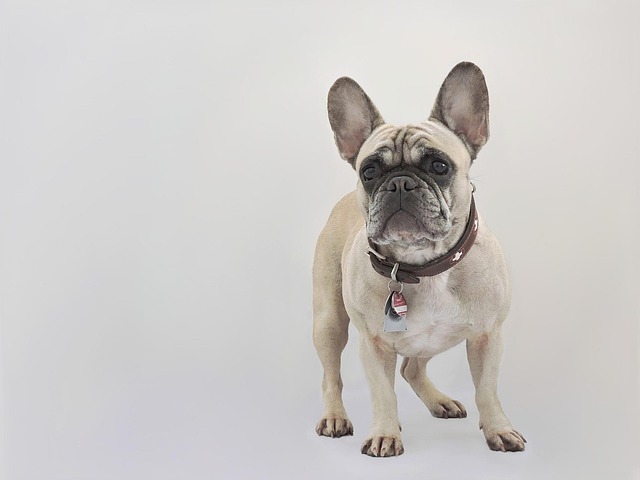 Check the texture, too. Short hair tends to be coarser and lies flat against the body, while long hair often feels softer and has a slight wave or curl, even in puppies. Around 4 to 6 months, a “coat change” happens: short-haired dogs shed their puppy fuzz quickly, while long-haired ones start growing longer guard hairs that might mat if not brushed. This is when grooming habits need to kick in—neglecting it isn’t just messy; in some cities, like parts of Germany, unkempt pets can draw complaints if their fur becomes matted enough to cause discomfort.
Climate matters for both the dog and your routine. In colder regions like Minnesota, a long coat can be a boon, but it means daily brushing to prevent ice balls in winter. Short-haired pups in Arizona stay cooler but might need doggy sunscreen. And remember: some housing complexes or rental policies restrict high-shedding breeds, so knowing your puppy’s adult coat type early can help avoid surprises later.
By 8 months, most puppies have their adult coat texture, though length might keep growing a bit longer. If you’re still unsure, a vet or breeder can often offer insight based on breed traits. Either way, embracing their natural coat—whether short and shiny or long and luxurious—means tailoring care to keep them healthy, happy, and ready for every adventure, from park romps to cozy couch naps.
Let’s be real: It’s a sticky August morning in Los Angeles, and you took your 2-year-old Golden Retriever, Max, for a walk a little later than usual

You're enjoying a summer afternoon at the park when you notice your dog has stopped panting and appears disoriented - their gums are bright red

Let’s paint the picture: You’re in your Denver apartment, watching your 4-year-old Boston Terrier, Ruby, plop down mid-play session with her favorite toy

Many dog owners notice their pets nails seem shorter after regular walks,but how much does this daily activity actually help?The answer depends on where you walk—concrete sidewalks or asphalt streets gently file nails as a dog's paws hit the ground

Most dog owners notice their pup scooting across the carpet at some point, but few connect it to impacted anal glands. These small sacs near a dog’s rectum secrete a scent for marking territory

Most vets agree that regular dog teeth cleaning is key to avoiding painful dental issues later. For healthy adult dogs, a professional cleaning at the vet’s office every 12 to 18 months usually works well.