
What is glaucoma in a dog?
You might notice your dog squinting more at mealtime or avoiding bright sunlight—these small changes could be early signs of a serious eye condition.
How to fix dry cracked dog paws? If you’ve ever watched your beagle “Maggie” hesitate before stepping onto the cold kitchen floor, her little paws lifting like she’s touching something sharp, you’ve probably leaned in for a closer look—only to find those once-soft pads are rough, flaky, and split in places. It’s a common worry for new dog owners, but dry, cracked paws aren’t just uncomfortable for your pup—they can turn walks into a chore and even lead to infections. Let’s break down how to heal them, step by step.
Dogs’ paws are built to handle a lot, but they’re not invincible. Those thick, rubbery pads have natural oils that keep them flexible, but harsh conditions can strip those oils away. In Arizona, where summer sidewalks bake at 120°F, the heat dries pads to a crisp. In Michigan, winter salt and ice melt eat through moisture, leaving paws cracked and sore. Even indoor dogs aren’t safe—apartment floors with forced air heat can suck humidity from the air, turning pads dry over time. Breeds with hair between their toes, like poodles, are extra prone: mats trap dirt, which irritates already sensitive skin. The good news? Most cases heal with gentle care—no vet visit needed.
Start with a “paw spa night” to soothe and repair. Fill a shallow bowl with lukewarm water (not hot!) and let your dog stand in it for 30 seconds to soften rough edges—Maggie’s owner in Portland swears by adding a splash of colloidal oatmeal, which calms irritation. Pat paws dry with a soft towel, then check for deep cracks or debris (a tiny pebble can make walking misery). For mild dryness, slather on a pet-safe paw balm—look for ingredients like beeswax or shea butter, which lock in moisture. Skip human lotion—scents like vanilla can make dogs lick excessively, undoing your work. Apply balm before bed, when they’re calm, and distract them with a chew toy for 5 minutes so it sinks in. For deeper cracks, ask your vet about a healing ointment—some have pain-relieving ingredients to make walks easier.
Caring for cracked paws ties into being a responsible owner, and here in the U.S., that means checking off key boxes. First, vaccines: All states require rabies shots by 4 months, with fines up to $400 in places like Texas for non-compliance. When your pup’s paws are healing, keep walks short and stick to grassy areas—avoid concrete, which rubs against cracks. Always carry poop bags, even on quick trips—failing to clean up in San Francisco can cost $300, and it’s part of keeping shared spaces kind.
Remember, positive reinforcement matters even in care routines. If your dog fidgets during paw checks, don’t hold them down—offer a treat after each paw, turning it into a game. Yelling or forcing them will make future care harder, and stressed dogs heal slower. For apartment dwellers, add a humidifier near their bed to combat dry air, and lay down rugs by doors to protect paws from cold floors. When walking in your community, keep them on a 6-foot leash (standard in most parks) and steer clear of other dogs if your pup is limping—pain can make them irritable, and respecting space keeps everyone safe.
With consistent care—moisturizing, avoiding harsh surfaces, and keeping up with wellness basics—those cracked paws will be soft again in no time. And when Maggie trots across the floor without a flinch? That’s the best sign you’re doing right by your furry friend.
You might notice your dog squinting more at mealtime or avoiding bright sunlight—these small changes could be early signs of a serious eye condition.
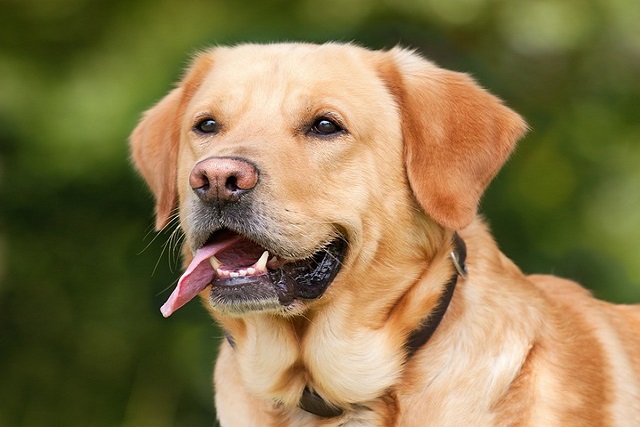
Let’s set the scene: It’s a sweltering Phoenix afternoon—105°F outside—and you rushed your 2-year-old Lab mix, Cooper, on a quick walk to “get it over with.”
Let’s get real: You’re in your Miami apartment, watching your 3-year-old Corgi, Loki, struggle to climb the stairs to your second-floor unit.
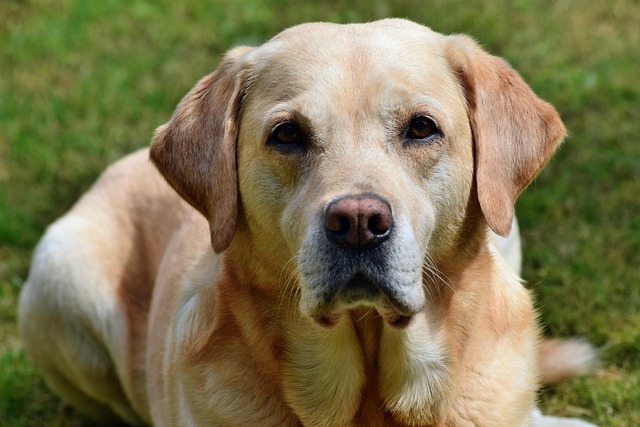
Many dog owners brush off occasional scratching as just “dog behavior,” but persistent itching often signals something more—like a food allergy.
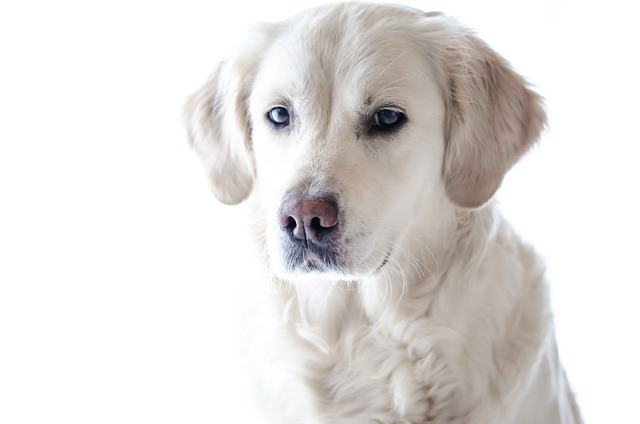
You might first notice your dog scratching more than usual—chewing at their paws until the fur looks thin, or rubbing their face against the couch nonstop.
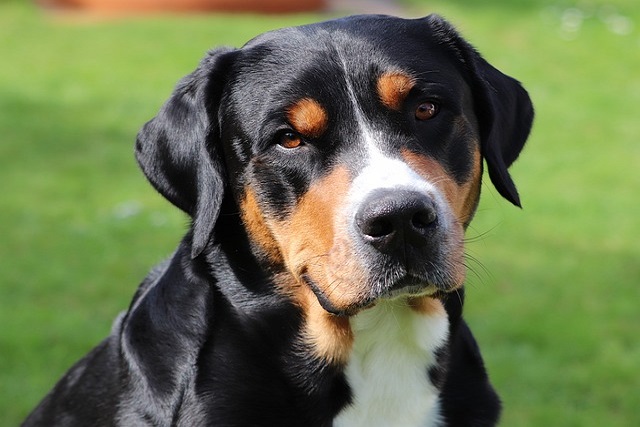
Let’s be real: You’re standing in your Chicago apartment, watching your 3-year-old Beagle, Max, huff and puff just to climb onto the couch.