
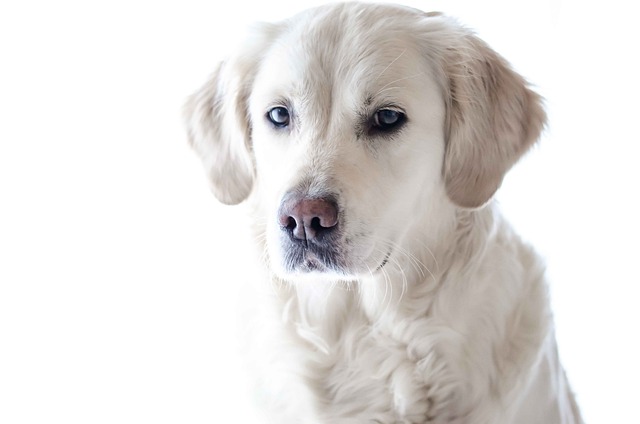
How can I tell if my dog's heatstroke is serious
Let’s be real: It’s a sticky August morning in Los Angeles, and you took your 2-year-old Golden Retriever, Max, for a walk a little later than usual
Bichon frises are known for their fluffy, cotton-like coats that need regular care to stay healthy and tangle-free. Many owners start with a daily brush using a slicker brush or metal comb—this keeps loose fur from matting, especially around the ears and legs where knots tend to form quickly. A quick 5-minute session each morning while you sip coffee can save hours of detangling later, and most bichons actually enjoy the attention.
When it comes to bathing, aim for once every 3-4 weeks unless your dog gets particularly dirty from a walk in the mud. Use a gentle, hypoallergenic dog shampoo to avoid drying out their skin, and make sure to rinse thoroughly—leftover soap can cause irritation. After bathing, dry them completely with a towel first, then a low-heat hair dryer; their thick coats hold moisture easily, which can lead to skin issues if left damp. Don’t forget to check their nails during bath time too—trim them every 2-3 weeks to keep them from cracking or snagging on carpets.
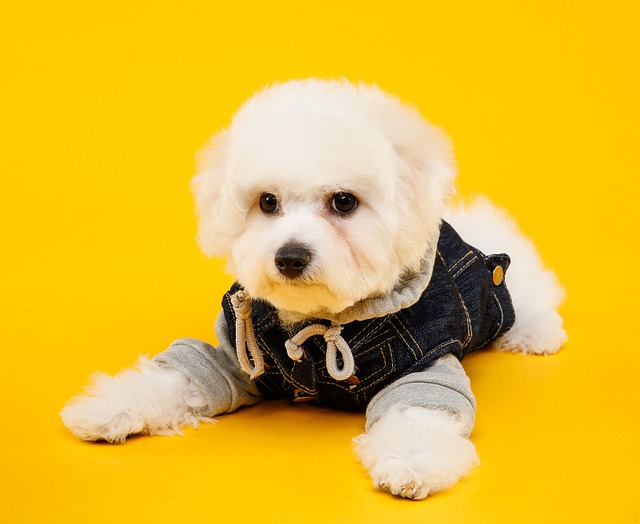 Ear care is another key part of grooming a bichon frise. Their floppy ears trap dirt and moisture, making them prone to infections. Wipe the inside of their ears once a week with a vet-recommended ear cleaner and a soft cloth—never use cotton swabs deep inside the ear canal, as this can damage their eardrums. While you’re at it, brush their teeth 2-3 times a week with dog toothpaste to prevent plaque buildup; dental health is often overlooked but crucial for overall well-being.
It’s important to remember local pet care laws too—some areas in Europe and North America require dogs to have well-groomed coats to prevent health hazards, and neglecting grooming could even lead to fines. If you’re not comfortable trimming their coat yourself, find a professional groomer who has experience with bichons; they can give your dog a neat “puppy cut” or show cut that fits both style and practicality. Always ask the groomer about their cleaning products to ensure they’re safe and compliant with local regulations.
Consistency is the secret to keeping your bichon frise looking and feeling their best. Grooming isn’t just about appearance—it’s a chance to bond with your dog and check for any signs of health issues, like lumps, redness, or unusual odors. With regular care, your bichon’s coat will stay fluffy and bright, and they’ll be happy to accompany you on walks, trips to the park, or cozy nights at home. Just stick to a routine that works for both of you, and don’t hesitate to consult your vet if you have questions about specific grooming needs.
Let’s be real: It’s a sticky August morning in Los Angeles, and you took your 2-year-old Golden Retriever, Max, for a walk a little later than usual
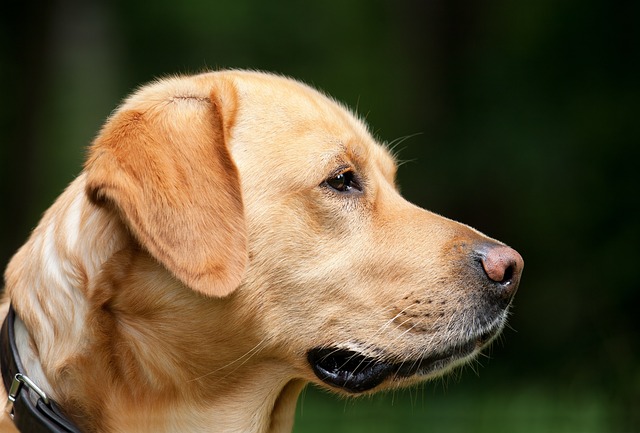
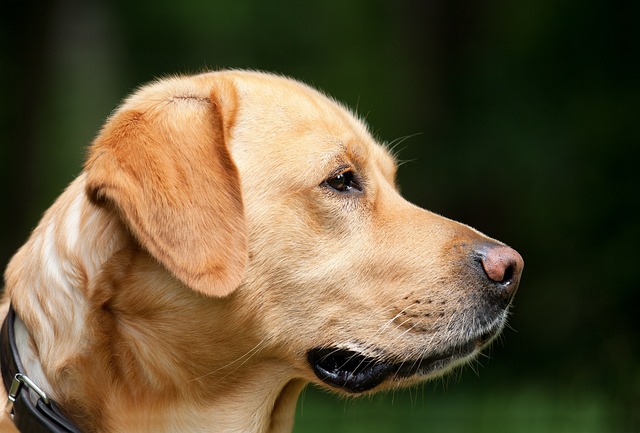
You're enjoying a summer afternoon at the park when you notice your dog has stopped panting and appears disoriented - their gums are bright red
Let’s paint the picture: You’re in your Denver apartment, watching your 4-year-old Boston Terrier, Ruby, plop down mid-play session with her favorite toy

Many dog owners notice their pets nails seem shorter after regular walks,but how much does this daily activity actually help?The answer depends on where you walk—concrete sidewalks or asphalt streets gently file nails as a dog's paws hit the ground
Most dog owners notice their pup scooting across the carpet at some point, but few connect it to impacted anal glands. These small sacs near a dog’s rectum secrete a scent for marking territory

Most vets agree that regular dog teeth cleaning is key to avoiding painful dental issues later. For healthy adult dogs, a professional cleaning at the vet’s office every 12 to 18 months usually works well.