

How can I tell if my dog's heatstroke is serious
Let’s be real: It’s a sticky August morning in Los Angeles, and you took your 2-year-old Golden Retriever, Max, for a walk a little later than usual
Grooming shouldn’t feel like a fight, but any owner with a pup that runs from a brush knows it can. The squirming, yelps, or dashes under the couch aren’t just annoying—they make both of you dread the process. Yet grooming is key for their health, from checking for ticks to stopping matted fur that hurts. With an unwilling dog, forcing it never works; the trick is making it tolerable, maybe even okay.
Start long before the brush comes out. If your dog tenses up at a comb, they’re linking it to stress. Spend 5 minutes daily petting them gently, focusing on spots they hate—paws, bellies. Pair this with tiny treats and soft praise. Over time, they’ll connect that touch to good things, not pressure. Think of it as a “grooming trust fund”—small calm moments adding up. Rushing ruins it; if they pull away, stop, breathe, try later. Consistency beats speed.
Tools matter with a reluctant pup. A stiff brush scratches, a pinching clipper makes them flinch—and they’ll remember. Use soft brushes or rubber ones that feel like massages. For nails, try a grinder instead of clippers; the low hum scares fewer dogs, and it files slowly, avoiding nicks. Keep tools where they’re familiar—by their favorite couch—so they don’t spell stress. Never chase them with a brush; that turns it into a game, upping resistance.
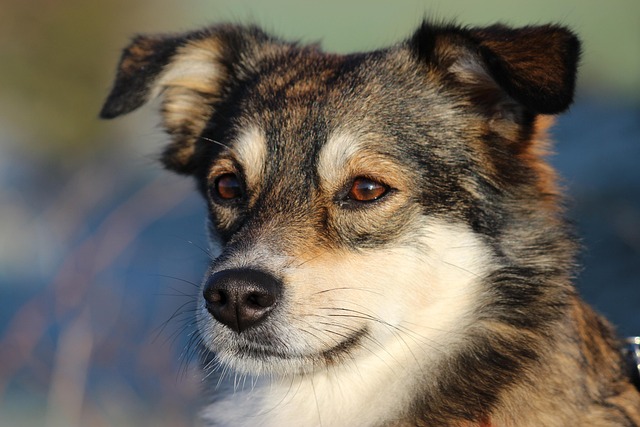 Break grooming into tiny steps. Instead of a full brush-out, do one paw during a TV ad. Lift it gently, brush quick, reward with a treat, then let go. Repeat a few days, add another paw, then move to their back. Keep sessions so short they barely notice. If they tense—lick lips, turn away, stiffen—stop. Pushing makes next time harder.
Positive reinforcement is key. Dogs love praise and treats, so make grooming a mini-party. Have their favorite snacks handy—small, soft ones they can eat fast. A happy “good boy” when they sit, a belly rub after 30 seconds of brushing, works better than scolding. Some play calm music; the rhythm relaxes both. If they love toys, let them hold one while you brush—gives them something else to focus on.
Extreme resistance—growling, snapping, panicking—might mean hidden discomfort: matted fur pulling, ear infections, or joint pain. Check with the vet to rule out health issues. A pro groomer used to nervous dogs can help too, showing you how to follow up at home. Plus, keeping them groomed often fits local rules about shedding or sanitation, keeping the community happy.
Grooming an unwilling dog takes patience, not strength. Meet them where they are, build trust one brush stroke at a time. Small wins count. Over time, they might not love it, but they’ll stop fearing it. Then those sessions become bonding moments—quiet, relaxed, connected. That’s the real goal.
Let’s be real: It’s a sticky August morning in Los Angeles, and you took your 2-year-old Golden Retriever, Max, for a walk a little later than usual
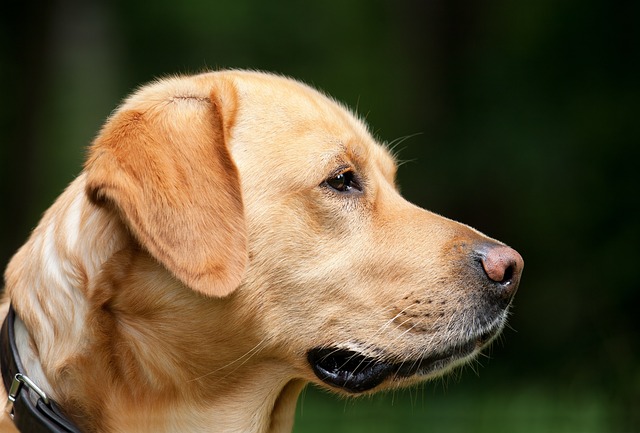
You're enjoying a summer afternoon at the park when you notice your dog has stopped panting and appears disoriented - their gums are bright red
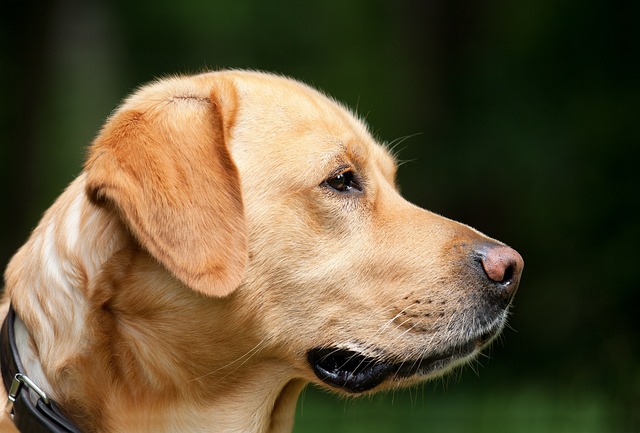
Let’s paint the picture: You’re in your Denver apartment, watching your 4-year-old Boston Terrier, Ruby, plop down mid-play session with her favorite toy

Many dog owners notice their pets nails seem shorter after regular walks,but how much does this daily activity actually help?The answer depends on where you walk—concrete sidewalks or asphalt streets gently file nails as a dog's paws hit the ground
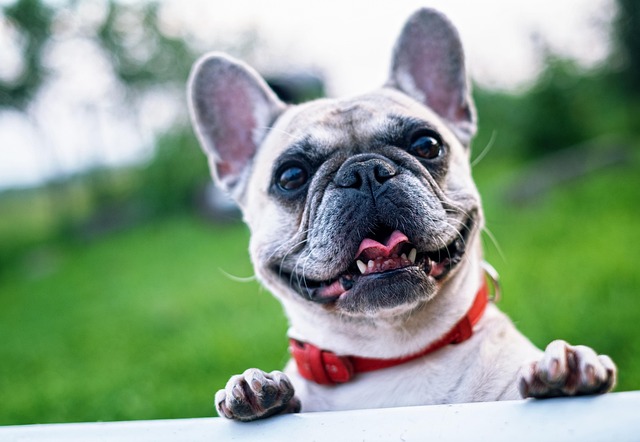
Most dog owners notice their pup scooting across the carpet at some point, but few connect it to impacted anal glands. These small sacs near a dog’s rectum secrete a scent for marking territory
Most vets agree that regular dog teeth cleaning is key to avoiding painful dental issues later. For healthy adult dogs, a professional cleaning at the vet’s office every 12 to 18 months usually works well.