

How can I tell if my dog's heatstroke is serious
Let’s be real: It’s a sticky August morning in Los Angeles, and you took your 2-year-old Golden Retriever, Max, for a walk a little later than usual
You’re enjoying a sunny afternoon walk with your dog when you notice their panting has become more intense and labored. Is it just normal tiredness, or something more serious? Recognizing the early signs that your dog is overheating is a crucial skill for any owner, especially during the summer months. Dogs are notoriously bad at cooling themselves down—they primarily rely on panting, which becomes much less effective in high heat and humidity. Catching the signs early can prevent a dangerous situation from escalating into a life-threatening heatstroke.
The first indicators are often behavioral and subtle. Beyond normal panting, look for signs of anxiety or restlessness. Your dog might seek out cool surfaces like tile floors or shade more frantically than usual. Physically, the most telling early signs are excessive drooling, often with thick, sticky saliva, and gums that appear brighter red than normal. As overheating progresses, the panting becomes more frantic and noisy, and they may seem weak, disoriented, or uncoordinated. In severe cases, you might see vomiting, diarrhea, or even collapse. Certain breeds like Bulldogs or Huskies, overweight dogs, and seniors are at higher risk, but any dog can succumb on a hot day, particularly if exercised on a hot asphalt surface in a place like Phoenix or left in a parked car.
If you observe these signs, your immediate actions are critical. Stop all activity immediately. Move your dog to a cool, air-conditioned space or a shaded area. Offer small amounts of cool (not ice-cold) water to drink. Use lukewarm water to wet their paw pads, belly, and armpits—these areas have less fur and blood vessels are closer to the surface, helping to cool the blood. You can also place a cool, wet towel on their back. Avoid using ice or very cold water, as this can cause blood vessels to constrict and trap heat inside their core. The goal is gradual cooling while you prepare to contact your veterinarian.
This vigilant approach to your dog’s well-being is a fundamental part of responsible ownership, which extends into daily prevention and community awareness. This includes upholding your legal duties, such as ensuring your dog’s rabies vaccination is always meticulously up-to-date—a mandate in all U.S. states that protects public health in every interaction. The calm, caring response you employ mirrors the positive reinforcement techniques that are the modern standard for training; using patience and rewards to build trust is always more effective than any form of punishment. Furthermore, this conscientious mindset applies to your daily habits. Preventing overheating is key: walk your dog during the cooler hours of the morning and evening, always provide ample shade and fresh water, and never, ever leave them in a parked car. On those walks, the simple act of always carrying bags to clean up after your pet is both a local law and a basic sign of respect for your neighbors, ensuring shared parks and sidewalks remain pleasant for everyone. By recognizing the signs of overheating, you’re not just preventing an emergency; you’re fulfilling your role as a attentive and respectful member of your community.
Let’s be real: It’s a sticky August morning in Los Angeles, and you took your 2-year-old Golden Retriever, Max, for a walk a little later than usual
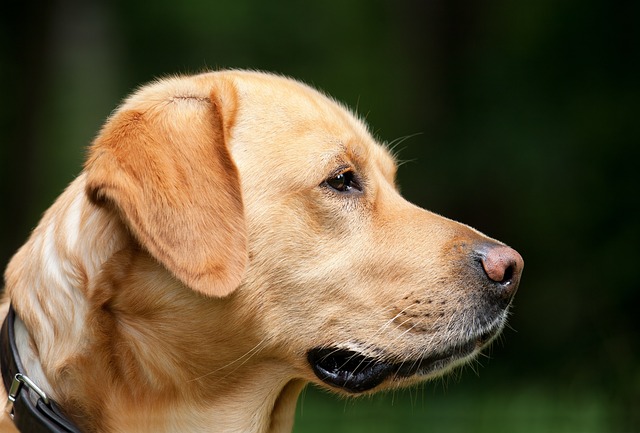
You're enjoying a summer afternoon at the park when you notice your dog has stopped panting and appears disoriented - their gums are bright red
Let’s paint the picture: You’re in your Denver apartment, watching your 4-year-old Boston Terrier, Ruby, plop down mid-play session with her favorite toy

Many dog owners notice their pets nails seem shorter after regular walks,but how much does this daily activity actually help?The answer depends on where you walk—concrete sidewalks or asphalt streets gently file nails as a dog's paws hit the ground
Most dog owners notice their pup scooting across the carpet at some point, but few connect it to impacted anal glands. These small sacs near a dog’s rectum secrete a scent for marking territory
Most vets agree that regular dog teeth cleaning is key to avoiding painful dental issues later. For healthy adult dogs, a professional cleaning at the vet’s office every 12 to 18 months usually works well.