
How can I tell if my dog's heatstroke is serious
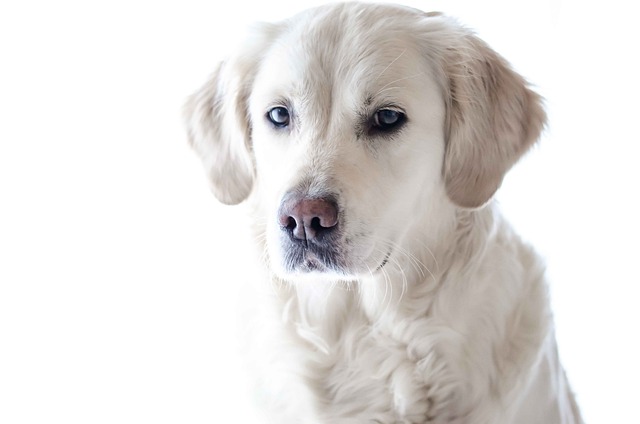
Let’s be real: It’s a sticky August morning in Los Angeles, and you took your 2-year-old Golden Retriever, Max, for a walk a little later than usual
Managing obesity in dogs starts with noticing the little signs—when their belly sags instead of tucking up, or they huff and puff after climbing stairs. It’s not just about looking “cute” with extra fluff; extra weight strains their joints, upsets their heart, and can shorten their time with you. The good news? Small, steady changes can make a big difference, and it starts with understanding what’s causing the weight gain.
Food is often the first place to look, but it’s not just about cutting portions. Those “treats” during training, the scraps from dinner, and even a few extra kibbles in the bowl add up fast. Most vets recommend measuring food with a cup, not just guessing—dogs have specific calorie needs based on their size and activity level. Some areas have pet nutritionists who can tailor a plan, especially for breeds prone to obesity, like Labs or Beagles. And skip the table scraps—onions, grapes, and even too much cheese aren’t just fattening, they can be toxic.
Exercise matters, but it has to fit their current shape. A dog carrying extra weight shouldn’t start with long runs—short, slow walks around the block are better. Aim for 10 minutes twice a day, then add a little more each week. If it’s too hot or cold outside, play fetch indoors with a soft toy, or set up a puzzle feeder that makes them work for kibble. Some parks have agility courses with low jumps—great for building strength without overdoing it. Just check local rules—many require dogs to be leashed during exercise, even in green spaces.
 Breaking old habits takes patience, for both of you. It’s hard to say no when they stare at you with those big eyes during meals, but those extra bites are love that hurts. Instead of food, reward good behavior with a belly rub or a new toy—they’ll learn to crave that attention just as much. If other family members sneak treats, gently remind them it’s for the dog’s health—consistency is key, even if it feels strict at first.
Watch for progress that’s more than numbers on a scale. When they start jumping up on the couch again without hesitation, or chase a squirrel with more energy, that’s success. Their coat might get shinier, and they’ll probably act younger—less napping, more zoomies. But go slow—losing weight too fast can be dangerous. Most vets suggest aiming for 1-2% of their body weight per week. If they’re not losing after a month, it’s time to check in with the vet—there might be a thyroid issue or other health problem.
Make it a family affair. Kids can help with daily walks, or set a timer for playtime. Even neighbors with dogs can join in—group walks make exercise feel like fun, not a chore.
Remember, this isn’t about perfection. There will be days when they sneak a stolen cookie, or you skip a walk because of rain. What matters is getting back on track tomorrow. Your dog doesn’t know they’re “on a diet”—they just know you’re spending more time with them, playing more, and keeping them comfortable. That’s the best part: managing obesity isn’t just about their health. It’s about giving them more years of chasing balls, napping in the sun, and being your happy, energetic companion.
Let’s be real: It’s a sticky August morning in Los Angeles, and you took your 2-year-old Golden Retriever, Max, for a walk a little later than usual
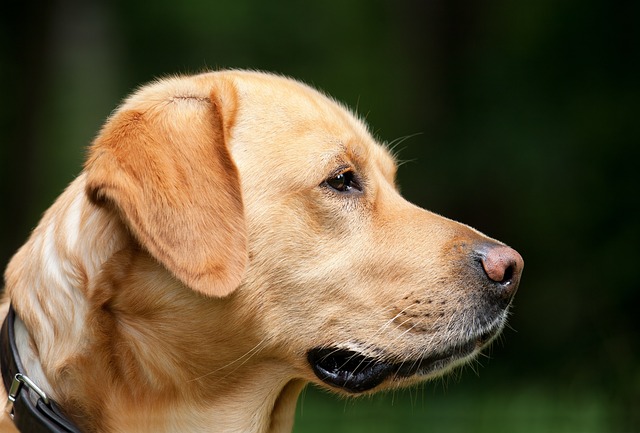
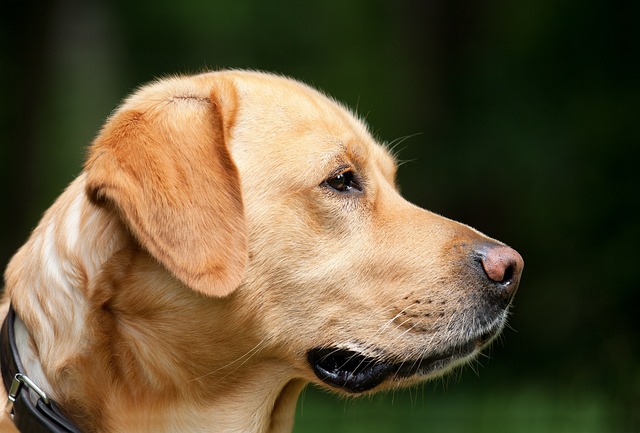
You're enjoying a summer afternoon at the park when you notice your dog has stopped panting and appears disoriented - their gums are bright red
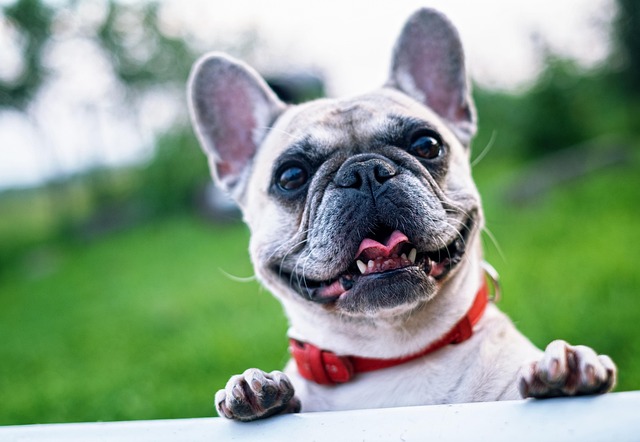
Let’s paint the picture: You’re in your Denver apartment, watching your 4-year-old Boston Terrier, Ruby, plop down mid-play session with her favorite toy

Many dog owners notice their pets nails seem shorter after regular walks,but how much does this daily activity actually help?The answer depends on where you walk—concrete sidewalks or asphalt streets gently file nails as a dog's paws hit the ground
Most dog owners notice their pup scooting across the carpet at some point, but few connect it to impacted anal glands. These small sacs near a dog’s rectum secrete a scent for marking territory
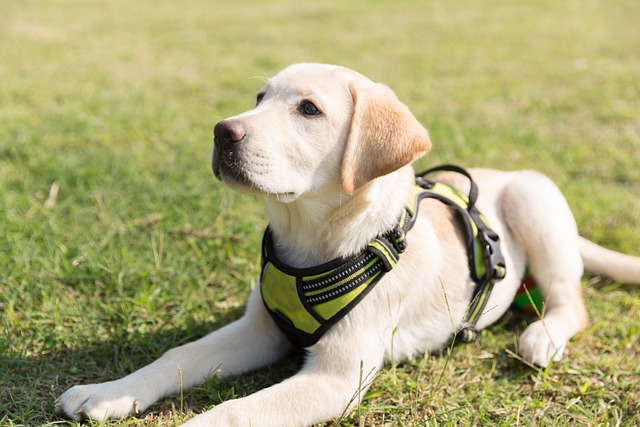
Most vets agree that regular dog teeth cleaning is key to avoiding painful dental issues later. For healthy adult dogs, a professional cleaning at the vet’s office every 12 to 18 months usually works well.