

How can I tell if my dog's heatstroke is serious
Let’s be real: It’s a sticky August morning in Los Angeles, and you took your 2-year-old Golden Retriever, Max, for a walk a little later than usual
Chihuahuas have a reputation for being feisty, but that’s far from their only side. With the right approach, these tiny dogs can grow into outgoing, affectionate companions who light up every room they enter. It all starts with understanding their unique needs and personality quirks.
Early socialization is non-negotiable. From the moment they’re old enough to venture out safely—usually around 12 to 16 weeks—expose them to different people, animals, and environments. Let kids gently pet them (with supervision, of course), let them sniff a calm golden retriever at the park, and take them on short walks through busy streets. The more positive experiences they have young, the less likely they are to feel threatened by new things later.
Consistency in training matters more than you might think. These little dogs are smart, but they can be stubborn. Use positive reinforcement—tiny treats, enthusiastic praise, or a favorite toy—to reward good behavior. When they greet strangers without barking or nudge your hand for pets instead of nipping, make a big deal of it. Avoid harsh scolding; it tends to make them more defensive, which can come off as aggression.
 Respect their boundaries, too. Chihuahuas are small, and they know it—many feel the need to act tough to protect themselves. If they pull away from a hug or tuck their tail when a loud child approaches, don’t push it. Give them space, then try again later with a calmer approach. Teaching them they can trust you to keep them safe builds confidence, and confident dogs are naturally friendlier.
Daily interaction is key to their emotional health. These dogs thrive on human connection, so set aside time each day for play, cuddles, and gentle training. A 10-minute game of fetch in the living room or a quiet snuggle session while you watch TV strengthens your bond. When they feel secure in your love, they’re more likely to open up to others.
Be mindful of local regulations, too. Many communities have leash laws that apply to all dogs, regardless of size, and some require pets to be well-behaved in public spaces. Keeping your Chihuahua calm around others isn’t just about friendliness—it’s part of being a responsible owner. Plus, a dog that behaves in parks, cafes, or on walks is more welcome everywhere, which means more opportunities for positive socializing.
Pay attention to their body language. A relaxed Chihuahua has soft eyes, ears perked but not flattened, and a wagging tail held at medium height. If their ears pin back, their body tenses, or they start growling, it’s a sign they’re uncomfortable. Step in, remove them from the situation, and help them calm down. Over time, they’ll learn to trust you to handle tricky moments, which eases their anxiety.
Remember, every Chihuahua is an individual. Some take to socializing like ducks to water, while others need more patience. Celebrate small wins—a first tail wag at a new person, a quiet sniff instead of a bark—and don’t rush the process. With time, love, and the right guidance, your tiny companion will surprise you with just how friendly they can be.
Let’s be real: It’s a sticky August morning in Los Angeles, and you took your 2-year-old Golden Retriever, Max, for a walk a little later than usual

You're enjoying a summer afternoon at the park when you notice your dog has stopped panting and appears disoriented - their gums are bright red

Let’s paint the picture: You’re in your Denver apartment, watching your 4-year-old Boston Terrier, Ruby, plop down mid-play session with her favorite toy

Many dog owners notice their pets nails seem shorter after regular walks,but how much does this daily activity actually help?The answer depends on where you walk—concrete sidewalks or asphalt streets gently file nails as a dog's paws hit the ground
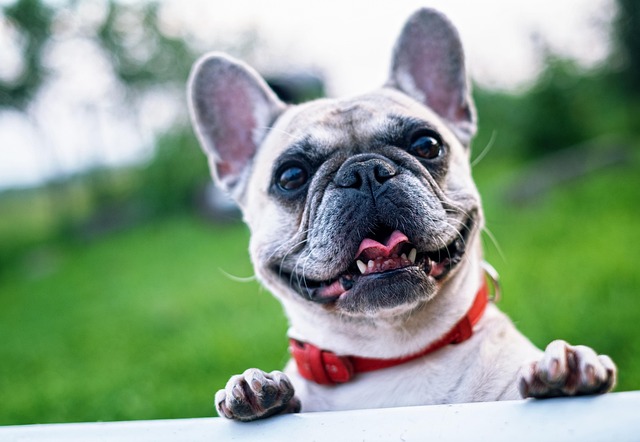
Most dog owners notice their pup scooting across the carpet at some point, but few connect it to impacted anal glands. These small sacs near a dog’s rectum secrete a scent for marking territory

Most vets agree that regular dog teeth cleaning is key to avoiding painful dental issues later. For healthy adult dogs, a professional cleaning at the vet’s office every 12 to 18 months usually works well.