
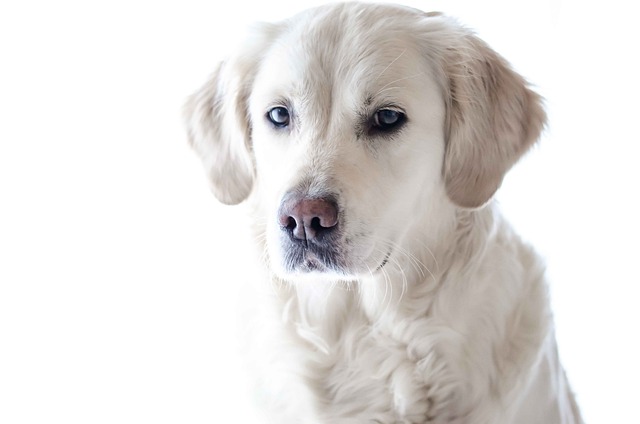
How can I tell if my dog's heatstroke is serious
Let’s be real: It’s a sticky August morning in Los Angeles, and you took your 2-year-old Golden Retriever, Max, for a walk a little later than usual
In the daily life spent with dogs, bathing a dog is an ordinary task, yet it is often full of challenges. Many dogs are extremely resistant to taking a bath. When it's time for a bath, they are like wild horses that have broken free from their reins, jumping up and down, and some even hide in the corner and refuse to come out no matter what. At this moment, how to reasonably restrain the dog to make the bathing process go smoothly has become a major problem for many dog owners. This is not only related to whether the bathing can be completed efficiently but also affects the dog's perception of bathing and the deep bond between humans and pets.
Before restraining the dog, it is crucial to have an in-depth understanding of the reasons why they resist bathing. Dogs have very sensitive senses. Water that is too cold or too hot can make them feel uncomfortable; the pungent smell of the shampoo can irritate their sensitive sense of smell; water splashing into their ears during the bath can make dogs feel extremely uncomfortable and may even lead to ear infections; the loud noise of the hair dryer is like a sharp alarm to dogs, filling them with fear. In addition, if a dog has had unpleasant experiences during previous baths, such as being choked by water or getting hurt, these shadows will make them deeply resistant to bathing. Only by identifying the root cause of the problem can we take targeted measures, choose the appropriate restraining method, and prevent the dog from getting injured due to excessive resistance.
Choosing the right bathing location and timing can effectively reduce the dog's resistance and make the restraining work more effective. A warm, quiet, and softly lit space can give the dog a sense of security and reduce external interference. For example, bathing in a relatively enclosed and familiar bathroom at home is more suitable than in a noisy outdoor environment. At the same time, choose a time when the dog is in good condition and relaxed, and avoid bathing them right after they have just finished eating or when they are exhausted from playing. For puppies, special attention should be paid as they have a weaker ability to adapt to the outside world, and a comfortable environment should be created as much as possible during bathing.
Making full preparations for the bath is also the key to restraining the dog. Before the bath, carefully comb the dog's fur with a comb. This can not only prevent the fur from getting knotted, reducing the discomfort during the bath but also help the dog gradually get used to being touched. Prepare some of the dog's favorite toys and snacks. During the bath, give them rewards at the right time to distract their attention and relieve their nervousness. Adjust the water temperature and keep it between 38 and 40°C. This temperature is close to the dog's normal body temperature and can make them feel warm and comfortable. At the same time, prepare pet-specific shampoo, towels, hair dryers, and other bathing supplies to ensure that everything is ready.
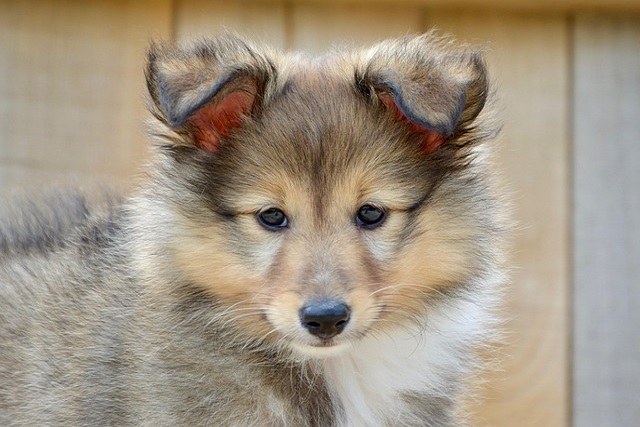
During the bathing process, some physical restraining methods can be used. For smaller dogs, the owner can gently hold the dog's chest with one hand and control the dog's hips with the other hand to keep them stable. For larger dogs, it is more appropriate to use a harness or a collar for restraint. Gently put the harness or collar on the dog and adjust the tightness so that it can limit the dog's range of movement without making them feel too restricted. In addition, there are some auxiliary devices specially designed for pet bathing on the market, such as a bathing box. The leg-restraining rods in the bathing box can be adjusted according to the size of the dog. The dog's four legs can be stuck between the rods to prevent the dog from jumping around when it comes into contact with water and also prevent water from splashing outside. However, when using these tools, always pay attention to the dog's reaction to avoid causing discomfort due to overly tight restraint.
In addition to physical restraint, soothing the dog's emotions is equally important. Before the bath, gently stroke the dog and communicate with it in a soft tone, so that the dog can feel the owner's care and companionship. When bathing, be gentle. Start from the dog's back and slowly wet its body with warm water, allowing the dog to gradually get used to the feeling of water. Avoid suddenly splashing water on the dog's head. When washing the head, be especially careful to prevent water from getting into the eyes and ears. When applying the shampoo, massage the dog's body while softly soothing it, allowing them to enjoy the process. When the dog behaves well, give it snacks as a reward in a timely manner. Through positive reinforcement, let the dog gradually associate bathing with pleasant experiences.
After the bath, also pay attention to the dog's condition. Quickly dry the water on the dog's body with a soft towel, and then use a hair dryer to thoroughly dry the fur to prevent the dog from catching a cold. At the same time, give the dog snacks and praise again, allowing them to end this bath with a happy mood.
Dogs are the most loyal companions in our lives, giving us company and love without reservation. When bathing a dog, reasonably restraining them is not only to complete the bathing task smoothly but also to make the dog feel cared for and respected during the process. As long as we take the time to understand the dog's needs and use the correct methods to guide and soothe them, we can turn bathing into an interactive time full of love, deepen the emotional bond between humans and pets, and accompany the dog to live a healthy and happy life.
Let’s be real: It’s a sticky August morning in Los Angeles, and you took your 2-year-old Golden Retriever, Max, for a walk a little later than usual
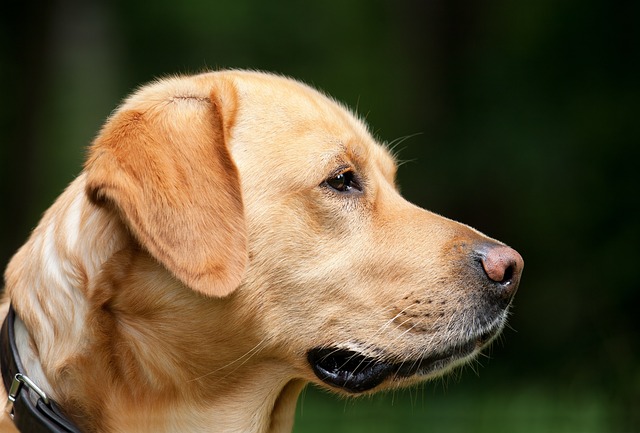
You're enjoying a summer afternoon at the park when you notice your dog has stopped panting and appears disoriented - their gums are bright red
Let’s paint the picture: You’re in your Denver apartment, watching your 4-year-old Boston Terrier, Ruby, plop down mid-play session with her favorite toy

Many dog owners notice their pets nails seem shorter after regular walks,but how much does this daily activity actually help?The answer depends on where you walk—concrete sidewalks or asphalt streets gently file nails as a dog's paws hit the ground
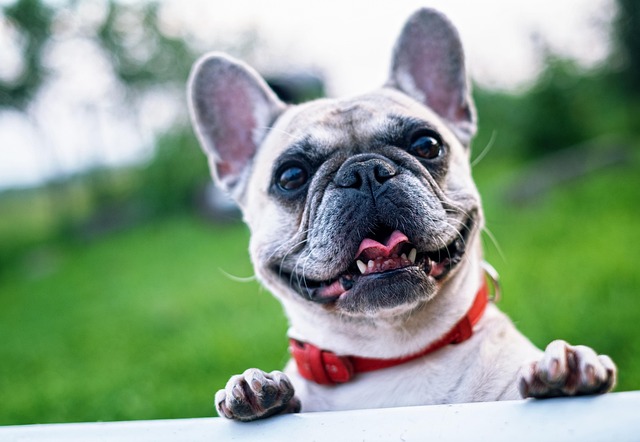
Most dog owners notice their pup scooting across the carpet at some point, but few connect it to impacted anal glands. These small sacs near a dog’s rectum secrete a scent for marking territory
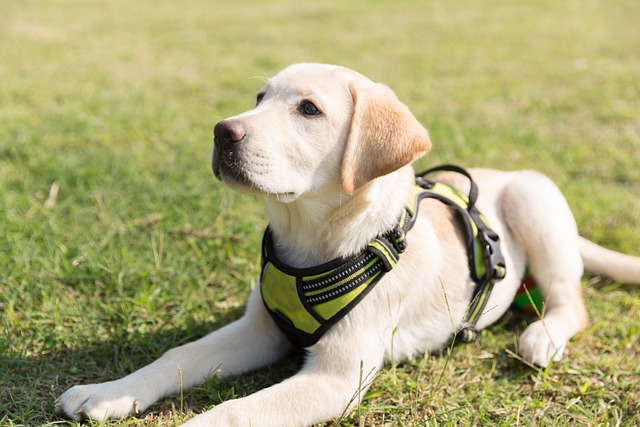
Most vets agree that regular dog teeth cleaning is key to avoiding painful dental issues later. For healthy adult dogs, a professional cleaning at the vet’s office every 12 to 18 months usually works well.