

What is glaucoma in a dog?
You might notice your dog squinting more at mealtime or avoiding bright sunlight—these small changes could be early signs of a serious eye condition.
Dogs' loss of appetite may seem to be just a symptom of "picky eating", but in fact it may be a dangerous signal from the body. Exploring the reasons behind it and giving proper treatment is not only the application of professional maintenance knowledge, but also the embodiment of our deep love for dogs - after all, every time they enjoy delicious food in a healthy way, it is the most reassuring moment for us.
From a professional veterinary perspective, the reasons for dogs' loss of appetite are complex and diverse, and can be divided into two major levels: physiological and psychological. Among physiological factors, disease is the most common cause. Oral problems are often ignored by their owners. Caries, periodontitis, oral ulcers, etc. will cause dogs to have severe pain when chewing, causing them to instinctively resist eating. Imagine that when we have toothache, it is difficult for us to even drink water, let alone dogs who need to chew frequently. Gastrointestinal diseases also have far-reaching effects. Gastroenteritis and parasitic infections will destroy the normal digestive function of the intestines, making it impossible for food to be effectively absorbed, and even cause vomiting and diarrhea, leaving the dog's stomach in a state of continuous discomfort. What's more serious is that when dogs suffer from kidney disease, liver disease or endocrine disorders, their metabolism is disordered and toxins accumulate, which can also significantly suppress their appetite.
In addition to diseases, side effects of drugs may also cause dogs to lose their appetite. When dogs are treated for other diseases, some antibiotics and painkillers may irritate the stomach and intestines, affect the secretion of digestive enzymes, and thus reduce their appetite. Environmental changes should not be underestimated. Sudden changes in living places, adding new pets to the family, or encountering noisy noises and unfamiliar smells can all cause sensitive dogs to have stress reactions. Their small world is disrupted, their sense of security is lost, and their appetite is affected. Just like humans will suffer from insomnia and loss of appetite in unfamiliar environments, dogs also need time to adapt to the new pace of life.
 When facing dogs with loss of appetite, the first thing we need to do is to observe calmly and capture every subtle physical signal. Pay attention to whether the dog has other symptoms: lethargy and drowsiness may indicate worsening of the disease; frequent vomiting and diarrhea indicate that gastrointestinal problems need to be solved urgently; fever and shortness of breath may be manifestations of infection or inflammation. These clues are like pieces of a puzzle, helping us to make a preliminary judgment on the health of the dog. At the same time, record the dog's food intake, water intake and defecation status. This information can provide important diagnostic basis for the veterinarian when taking the dog to the doctor.
Once the dog's appetite continues to be poor, timely medical treatment is an urgent choice. Professional veterinarians will accurately find the root cause of loss of appetite through detailed interviews, comprehensive physical examinations, and if necessary, combined with blood tests, fecal examinations, imaging examinations and other means. Only by clarifying the cause of the disease can an effective treatment plan be formulated. If it is an oral disease, it may be necessary to wash the teeth, fill the teeth or treat inflammation; parasitic infections require the use of anthelmintics; and for serious organ diseases, long-term medication or even hospitalization may be required. During the entire treatment process, the owner's company and support are crucial. We must feed the dog medicine and care on time according to the doctor's instructions, and use gentle touches and soft comforts to make them feel warm and at ease in the pain.
In addition to cooperating with veterinary treatment, daily care can also help dogs gradually restore their appetite. Adjusting the diet is a key step. If your dog usually eats dry food, you might as well try to switch to warm wet food. The rich aroma and soft texture of wet food can easily stimulate appetite and reduce the chewing burden of dogs with oral discomfort. Divide the food into small portions and increase the number of feedings to avoid overfeeding at one time, which will cause stress to the dog. You can also make some nutritious and delicious food yourself, such as cooking light porridge with chicken breast, carrots, pumpkin and other ingredients, which is easy to digest and can arouse the dog's appetite. But be careful, the nutritional ratio of homemade food should be reasonable to avoid long-term single feeding leading to malnutrition.
Creating a comfortable eating environment is also important. Place the food bowl in a quiet, warm, softly lit corner, away from noisy sounds and interference sources, so that the dog can eat with peace of mind. In addition, appropriately increasing the amount of exercise for the dog can also help promote digestion and increase appetite. According to the dog's physical condition, take it for walks, play and other activities. The physical consumption after exercise will make the dog more hungry. But be careful to avoid strenuous exercise before and after eating to prevent gastrointestinal discomfort.
Watching the once lively dogs becoming thinner and thinner due to loss of appetite, our hearts felt like being pulled. The treatment process may be long and arduous, but every patient attempt and every careful care are full of our deep love for the dogs. When one day they happily run to the food bowl again, enjoy the food with big mouthfuls, and respond to us with bright eyes and wagging tails, all our efforts turned into tears of happiness. This experience of overcoming difficulties with the dogs not only makes them healthy again, but also makes our emotional bond stronger. In the days to come, we will continue to write a warm chapter of companionship with each other.
You might notice your dog squinting more at mealtime or avoiding bright sunlight—these small changes could be early signs of a serious eye condition.
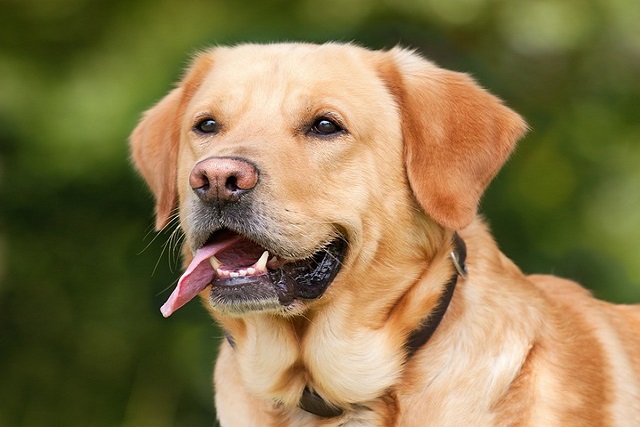
Let’s set the scene: It’s a sweltering Phoenix afternoon—105°F outside—and you rushed your 2-year-old Lab mix, Cooper, on a quick walk to “get it over with.”

Let’s get real: You’re in your Miami apartment, watching your 3-year-old Corgi, Loki, struggle to climb the stairs to your second-floor unit.

Many dog owners brush off occasional scratching as just “dog behavior,” but persistent itching often signals something more—like a food allergy.

You might first notice your dog scratching more than usual—chewing at their paws until the fur looks thin, or rubbing their face against the couch nonstop.

Let’s be real: You’re standing in your Chicago apartment, watching your 3-year-old Beagle, Max, huff and puff just to climb onto the couch.