
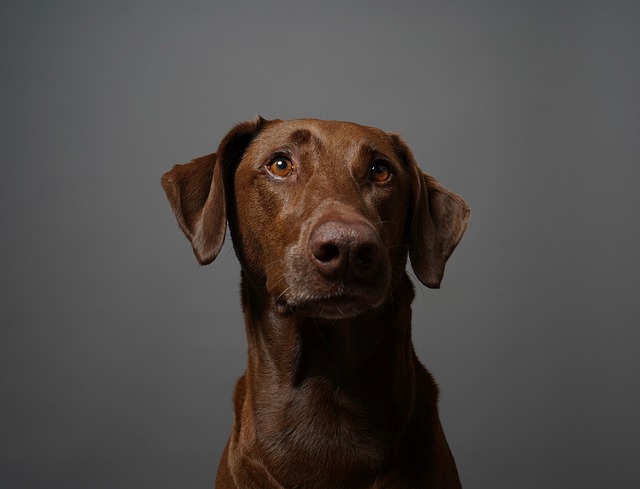
What is glaucoma in a dog?
You might notice your dog squinting more at mealtime or avoiding bright sunlight—these small changes could be early signs of a serious eye condition.
When you see your lively and cute dog at home start to frequently bump into furniture while walking, become slow to chase toys, and his originally bright eyes gradually become covered with a grayish-white shadow, your heart may suddenly tug - the dog may have cataracts. Cataracts not only damage the dog's vision, but also have a serious impact on their quality of life, and will bring endless worries to us as owners. As a highly concerned issue in the field of pet health, here is how to treat canine cataracts.
Canine cataracts refer to the degeneration of the dog's eye lens or lens capsule, which causes its transparency to decrease or even become completely opaque, thereby preventing light from entering the eye normally and seriously affecting vision. Many factors may cause cataracts. Congenital genetic factors are more common in cases of cataracts in puppies. Certain dog breeds, such as poodles, Bichon Frise, Schnauzers, etc., have a higher probability of congenital cataracts due to genetic defects. As dogs age, their lenses gradually age and their metabolic function declines, making elderly dogs a high-risk group for cataracts. In addition, systemic diseases such as diabetes can cause long-term abnormal blood sugar levels in dogs. Excessive blood sugar is converted into sugar alcohols in the lens, causing changes in the lens osmotic pressure and eventually forming cataracts; eye trauma can damage the structure of the lens, and inflammation caused by bacterial and viral infections can also cause lens metabolic disorders and promote cataract formation.
Diagnosing canine cataracts requires the help of professional pet doctors. The doctor will first conduct a comprehensive eye examination, including vision testing, intraocular pressure measurement, slit lamp microscopy, etc. Vision testing can intuitively understand the dog's visual function; intraocular pressure measurement can determine whether there are eye diseases such as glaucoma that may be complicated by cataracts; slit lamp microscopy can clearly observe the degree, location and morphology of lens opacity, providing a key basis for the formulation of subsequent treatment plans. In addition to eye examinations, doctors will also recommend systemic examinations such as blood routine and biochemical tests to determine whether the dog has systemic diseases such as diabetes that may cause cataracts, so as to develop a more targeted treatment plan.
 There are two main treatment methods for canine cataracts: surgical treatment and conservative treatment. Doctors will choose the most appropriate treatment method based on the severity of the cataract, the dog's physical condition and the owner's wishes.
Surgical treatment is currently the most effective method for treating canine cataracts, among which phacoemulsification is the most commonly used. During the operation, the doctor will use phacoemulsification equipment to crush and suck out the cloudy lens, and then implant an artificial lens to allow light to enter the eye smoothly and restore the dog's vision. This operation has the advantages of small incision, small trauma and fast recovery, which can significantly improve the dog's vision and improve the quality of life. However, the operation requires a high level of technical skills and equipment from the doctor, and there are certain risks, such as postoperative infection, intraocular inflammation, and displacement of the artificial lens. Therefore, the owner must choose an experienced and well-equipped pet hospital to perform surgery on the dog, and strictly follow the doctor's postoperative care instructions to reduce the risk of surgery.
For dogs in the early stages of cataracts or those who are not suitable for surgery, conservative treatment is a good choice. Conservative treatment mainly uses drug therapy and nutritional support. Some drugs such as antioxidants and lens protectants can delay the development of cataracts; pet food or nutritional supplements rich in antioxidants such as vitamin C, vitamin E, and lutein can provide the necessary nutritional support for the lens and maintain its normal metabolic function. However, it should be noted that conservative treatment can only delay the progression of the disease and cannot completely cure cataracts. The owner needs to take the dog to the hospital for regular check-ups and adjust the treatment plan in time.
No matter which treatment method is chosen, postoperative care and daily prevention are crucial to the dog's recovery. After the operation, the owner should strictly follow the doctor's instructions, apply eye drops and eye ointment to the dog on time to prevent infection and inflammation. At the same time, prevent the dog from scratching the eyes, avoid strenuous exercise, and create a quiet and comfortable resting environment for it. In the daily diet, the owner should provide the dog with balanced nutrition, appropriately supplement antioxidants, and enhance the dog's immunity. Take your dog to the veterinary hospital for a regular checkup to detect and treat systemic diseases in a timely manner and avoid cataracts caused by diseases.
When dogs develop cataracts, their world gradually loses color and light, but as owners, we should not give up hope. Through timely diagnosis, scientific treatment and careful care, we have the opportunity to help dogs see again.
You might notice your dog squinting more at mealtime or avoiding bright sunlight—these small changes could be early signs of a serious eye condition.
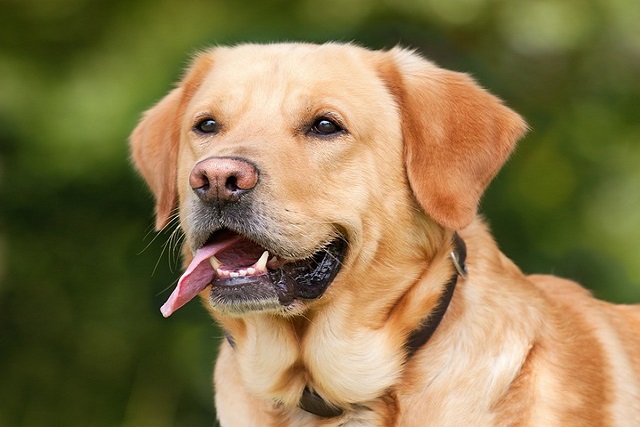
Let’s set the scene: It’s a sweltering Phoenix afternoon—105°F outside—and you rushed your 2-year-old Lab mix, Cooper, on a quick walk to “get it over with.”
Let’s get real: You’re in your Miami apartment, watching your 3-year-old Corgi, Loki, struggle to climb the stairs to your second-floor unit.
Many dog owners brush off occasional scratching as just “dog behavior,” but persistent itching often signals something more—like a food allergy.
You might first notice your dog scratching more than usual—chewing at their paws until the fur looks thin, or rubbing their face against the couch nonstop.
Let’s be real: You’re standing in your Chicago apartment, watching your 3-year-old Beagle, Max, huff and puff just to climb onto the couch.