
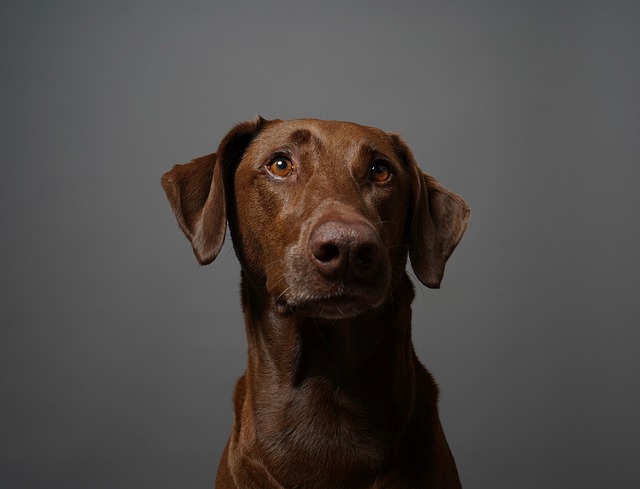
What is glaucoma in a dog?
You might notice your dog squinting more at mealtime or avoiding bright sunlight—these small changes could be early signs of a serious eye condition.
When your dog suddenly loses interest in his favorite food and frequently makes painful retching movements when swallowing, the owner's heart will tighten. Esophageal stricture, a "health killer" that comes quietly, not only tortures the dog's body, but also affects the hearts of countless owners. In the face of this difficult disease, we must not only use professional medical knowledge as a weapon, but also use love and patience to build a bridge of healing.
Esophageal stricture is not a rare disease in dogs. Its pathogenesis is like the failure of parts in a precision machine. Under normal circumstances, the esophagus serves as a "highway" for food to go from the mouth to the stomach, and can smoothly transport food. However, when corrosive substances burn, foreign objects are retained for a long time, congenital developmental defects or external tissue compression occur, the esophageal wall will produce fibrous tissue hyperplasia due to inflammatory response, and gradually form scars, just like a "wall" built in the middle of the road, blocking the passage of food. Imagine that a dog is looking forward to enjoying delicious food, but it is difficult to swallow because of the "obstruction" of the esophagus. How can we not feel distressed by the helplessness and pain?
The diagnosis of the disease is the first and key step in the long treatment process. When diagnosing, the veterinarian will unravel the mystery like an experienced detective. Ask in detail whether the dog has recently come into contact with corrosive items such as detergents and batteries, and whether it has had symptoms such as sudden refusal to eat and frequent reflux. This information is important clues to uncover the truth of the disease. Subsequently, professional methods such as physical examination, X-ray angiography, and endoscopic examination will come in handy. X-ray angiography is like taking a special "photo" of the esophagus, which can clearly show the location and general shape of the stenosis; while endoscopic examination is like a doctor personally "walking into" the esophagus, visually observing the details of the lesion, and extracting tissue samples for biopsy if necessary to accurately judge the condition. During this process, the dog may feel uneasy because of the unfamiliar examination environment. The owner holds the leash tightly, soothes it softly, and uses a warm embrace to dispel the dog's fear.
 The choice of treatment plan requires comprehensive consideration of multiple factors such as the dog's age, physique, and degree of stenosis. For early mild stenosis, balloon dilatation is a commonly used "mild treatment". During the operation, the veterinarian carefully inserts the catheter with a balloon into the dog's esophagus, accurately locates the stenosis, and slowly fills the balloon to mechanically open the stenosis. This process is like widening a road in a narrow alley. It requires both superb skills to ensure accurate operation and to pay attention to the dog's reaction at all times to avoid secondary damage. After each treatment, the dog may be temporarily uncomfortable due to minor damage to the esophagus. The owner can prepare warm nutritious liquid food and feed it little by little with a syringe, patiently and meticulously like caring for a baby.
When the balloon dilatation effect is not good, or when encountering complex situations such as severe scar stenosis and congenital developmental abnormalities, surgical operations become a "battle" that must be faced. Resection and anastomosis of esophageal stenosis is a common procedure. The veterinarian needs to accurately remove the diseased tissue and then "sew" the two ends of the healthy esophagus again. This is a great test for the doctor's skills and the dog's body. Before the operation, when the owner handed the dog to the veterinarian, he was full of reluctance and worry, but in order for the dog to regain health, he could only choose to believe in the power of professionalism. Postoperative care should not be underestimated either. The dog needs to live in a sterile ICU with various monitoring instruments connected to it. When the owner visits the dog every day, he gently strokes the dog's head and talks to it. These seemingly ordinary actions can bring great comfort to the weak dog.
The road to recovery after treatment is also long and challenging. Diet management is the core link of rehabilitation, and the owner needs to carefully adjust the recipe according to the dog's recovery. From the nutritional paste and gravy in the early stage after surgery to the gradual transition to delicate meat paste and soft grain, every change in food requires close observation of the dog's swallowing reaction and digestion. The principle of eating less and more meals needs to be strictly followed, just like caring for fragile flowers, giving the esophagus sufficient rest and recovery time. At the same time, regular review is also essential. Through endoscopy, imaging examinations and other means, timely evaluate the recovery of the esophagus and adjust the treatment plan.
In the process of treating esophageal stenosis in dogs, every confrontation with the disease is full of the owner's deep love for the dog. This love is hidden in the busy figures preparing warm liquid food for dogs in the early morning, in the anxious steps when going to and from the hospital, and even more in the gratified smiles when seeing the dogs gradually regain their appetite and run happily again. Although the road is difficult, as long as we do not give up, use professional knowledge as a shield and love as a sword, we can eventually help dogs break through the haze of disease and regain health and happiness.
You might notice your dog squinting more at mealtime or avoiding bright sunlight—these small changes could be early signs of a serious eye condition.
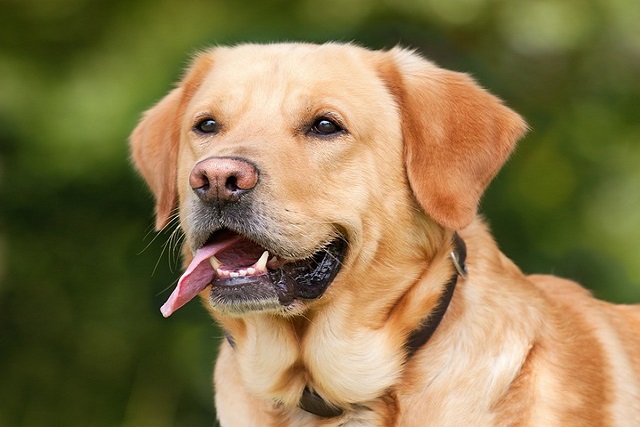
Let’s set the scene: It’s a sweltering Phoenix afternoon—105°F outside—and you rushed your 2-year-old Lab mix, Cooper, on a quick walk to “get it over with.”
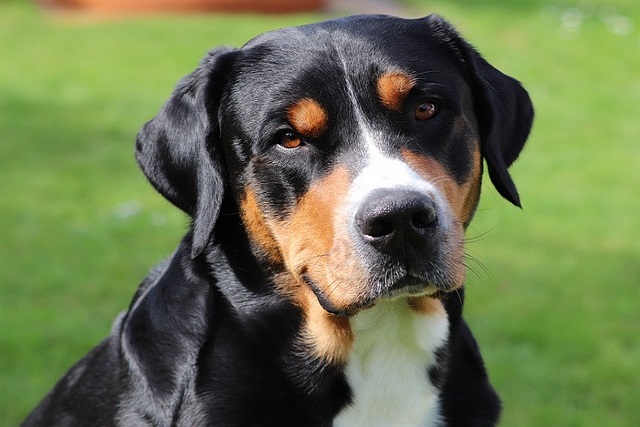
Let’s get real: You’re in your Miami apartment, watching your 3-year-old Corgi, Loki, struggle to climb the stairs to your second-floor unit.
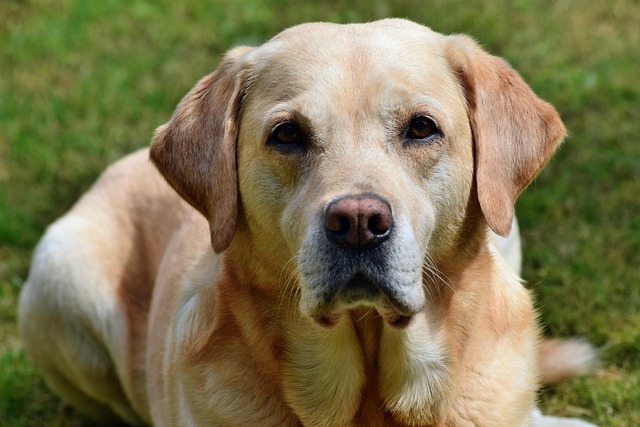
Many dog owners brush off occasional scratching as just “dog behavior,” but persistent itching often signals something more—like a food allergy.
You might first notice your dog scratching more than usual—chewing at their paws until the fur looks thin, or rubbing their face against the couch nonstop.
Let’s be real: You’re standing in your Chicago apartment, watching your 3-year-old Beagle, Max, huff and puff just to climb onto the couch.