

What is glaucoma in a dog?
You might notice your dog squinting more at mealtime or avoiding bright sunlight—these small changes could be early signs of a serious eye condition.
Watching your beloved dog struggle with joint pain can be one of the most heartbreaking experiences for any pet parent. You might notice your once-energetic companion hesitating before jumping onto their favorite couch, or perhaps they're moving more slowly during your morning walks. Joint pain affects millions of dogs across the United States, and while it's particularly common in senior pets, it can impact dogs of all ages and breeds.
The reality is that joint pain doesn't just affect your dog's physical comfort—it touches every aspect of their daily life. From their enthusiasm for playtime to their ability to navigate stairs, joint discomfort can gradually chip away at the quality of life that makes our furry friends so special. However, there's hope. Modern veterinary medicine, combined with thoughtful natural approaches, offers pet owners more options than ever before to help their dogs live comfortably and happily.
Joint pain in dogs typically stems from several underlying conditions, with osteoarthritis being the most prevalent culprit. This degenerative joint disease occurs when the protective cartilage within joints begins to break down over time, causing inflammation and discomfort. Hip dysplasia, a genetic condition affecting the hip joint's formation, represents another significant source of joint pain, particularly in larger breeds like German Shepherds and Golden Retrievers.
Recognizing the signs early can make a tremendous difference in your dog's treatment outcome. You might observe subtle changes initially—perhaps your dog takes a moment longer to stand up after napping, or they seem less enthusiastic about their evening walk. Some dogs develop a slight limp that's more noticeable in the morning or after periods of rest. Others might show reluctance to climb stairs or jump into the car, activities they once performed effortlessly.
Behavioral changes often accompany physical symptoms. Dogs experiencing joint pain may become less social, avoiding interactions that require movement. They might seek out softer surfaces for resting or show signs of irritability when touched in certain areas. These behavioral shifts aren't just personality changes—they're your dog's way of communicating their discomfort.
When you suspect joint pain, consulting with a veterinarian becomes your first crucial step. Veterinary professionals have access to diagnostic tools and treatments that form the foundation of effective pain management. Anti-inflammatory medications, such as NSAIDs specifically formulated for dogs, can provide significant relief by reducing inflammation and alleviating pain. These medications require professional oversight, as dosage and duration must be carefully monitored to avoid potential side effects.
Physical therapy has gained remarkable traction in veterinary medicine, offering dogs structured exercise programs designed to improve mobility and strengthen supporting muscles. Hydrotherapy, where dogs exercise in water, provides low-impact movement that's particularly beneficial for arthritic joints. The buoyancy of water reduces stress on joints while allowing dogs to maintain muscle tone and flexibility.
In severe cases, surgical interventions might become necessary. Joint replacement surgeries, once rare in veterinary medicine, are now performed regularly with excellent success rates. These procedures can literally give dogs a new lease on life, allowing them to move freely without the constant burden of pain.
While traditional veterinary care provides essential medical intervention, natural remedies for canine joint pain have shown promising results when used as complementary therapies. Acupuncture, an ancient practice now embraced by many veterinary professionals, involves inserting thin needles at specific points to promote healing and pain relief. Many dog owners report noticeable improvements in their pet's mobility and comfort levels following acupuncture treatments.
Therapeutic massage offers another gentle approach to managing joint discomfort. When performed by trained professionals or learned by dedicated pet owners, massage can improve circulation, reduce muscle tension, and provide emotional comfort. The bonding experience between pet and owner during massage sessions often proves as valuable as the physical benefits.
Nutritional supplements have carved out a significant role in holistic treatments for dog joint pain. Glucosamine and chondroitin, compounds naturally found in healthy cartilage, can help maintain joint structure and function. Omega-3 fatty acids, derived from fish oil, possess anti-inflammatory properties that may reduce joint inflammation over time. However, quality matters tremendously with supplements—choosing reputable brands with third-party testing ensures your dog receives effective, safe products.
Turmeric, containing the active compound curcumin, has gained attention for its anti-inflammatory properties. Some pet owners incorporate turmeric into their dog's diet, though proper dosing and preparation are essential for safety and effectiveness. Similarly, green-lipped mussel extract, rich in omega-3s and other beneficial compounds, shows promise in supporting joint health.
The beauty of an integrative approach to dog joint pain lies in its comprehensive nature. Rather than relying solely on medication or natural remedies, combining conventional veterinary care with complementary therapies often yields superior results. This approach recognizes that joint pain affects the whole dog, not just isolated joints.
When conventional treatments work alongside natural remedies, dogs often experience more complete pain relief. For instance, a dog receiving prescription anti-inflammatory medication might also benefit from regular massage sessions and joint supplements. The medication addresses immediate inflammation and pain, while massage improves circulation and flexibility, and supplements support long-term joint health.
This integrated strategy also allows for potentially reducing medication dosages over time. As natural therapies begin showing effects, some dogs may require less pharmaceutical intervention, reducing the risk of side effects while maintaining comfort levels. However, any medication adjustments should always occur under veterinary supervision.
The emotional benefits of combining approaches shouldn't be overlooked. Many natural therapies, particularly massage and gentle exercise, strengthen the bond between pet and owner while providing comfort. This emotional support can significantly impact a dog's overall well-being and recovery process.
Successfully implementing holistic care requires careful planning and professional guidance. Before introducing any natural remedies, discuss your intentions with your veterinarian. They can help identify which complementary therapies might benefit your specific dog while avoiding potential interactions with existing treatments.
Start slowly when introducing new elements to your dog's care routine. Whether it's a new supplement or massage technique, gradual introduction allows you to monitor your dog's response and adjust accordingly. Keep detailed records of changes in mobility, appetite, behavior, and overall comfort levels. This information proves invaluable during veterinary check-ups and helps track treatment effectiveness.
Weight management deserves special attention in joint pain management. Excess weight places additional stress on already compromised joints, potentially accelerating deterioration. Working with your veterinarian to establish an appropriate diet and exercise program can significantly impact your dog's comfort and mobility.
Environmental modifications can complement medical and natural treatments effectively. Providing orthopedic bedding, using ramps instead of stairs, and ensuring non-slip surfaces throughout your home can reduce daily stress on painful joints. These changes might seem small, but they can make enormous differences in your dog's daily comfort.
Remember that treating joint pain in dogs is rarely a one-size-fits-all proposition. What works wonderfully for one dog might be less effective for another. Patience and persistence, combined with professional guidance, often lead to the most successful outcomes. Your dog's comfort and quality of life are worth the investment in comprehensive care.
The journey of managing canine joint pain can feel overwhelming initially, but you're not alone in this process. Veterinary professionals, certified animal therapists, and fellow pet owners form a supportive community ready to help you navigate this challenge. With the right combination of traditional veterinary care and thoughtful natural approaches, many dogs with joint pain continue to live full, active, and joyful lives for years to come.
You might notice your dog squinting more at mealtime or avoiding bright sunlight—these small changes could be early signs of a serious eye condition.
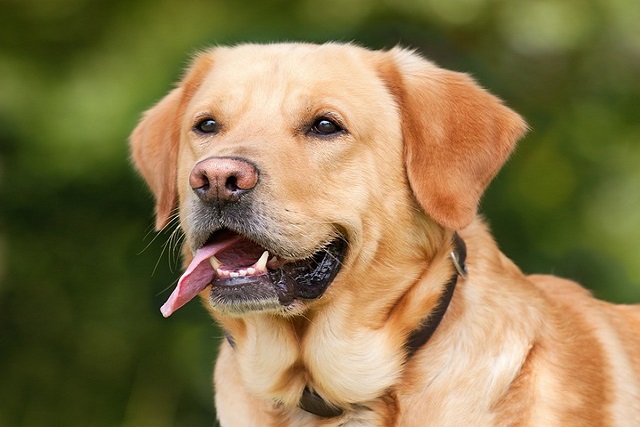
Let’s set the scene: It’s a sweltering Phoenix afternoon—105°F outside—and you rushed your 2-year-old Lab mix, Cooper, on a quick walk to “get it over with.”
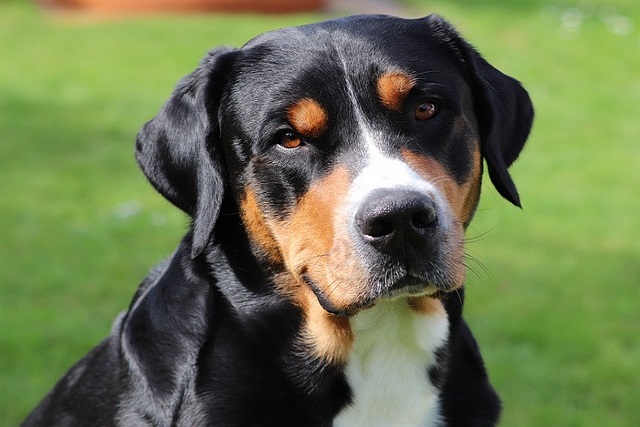
Let’s get real: You’re in your Miami apartment, watching your 3-year-old Corgi, Loki, struggle to climb the stairs to your second-floor unit.

Many dog owners brush off occasional scratching as just “dog behavior,” but persistent itching often signals something more—like a food allergy.
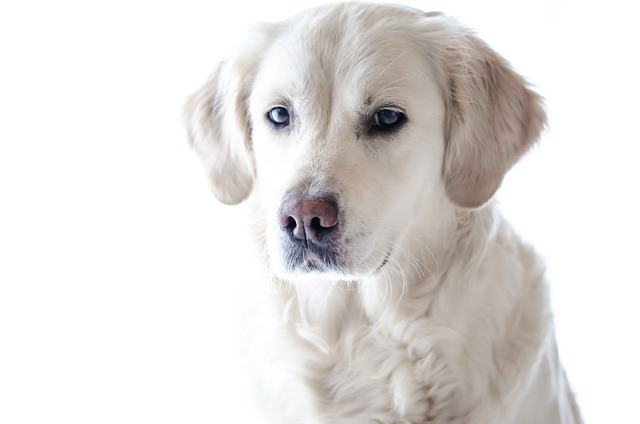
You might first notice your dog scratching more than usual—chewing at their paws until the fur looks thin, or rubbing their face against the couch nonstop.
Let’s be real: You’re standing in your Chicago apartment, watching your 3-year-old Beagle, Max, huff and puff just to climb onto the couch.