
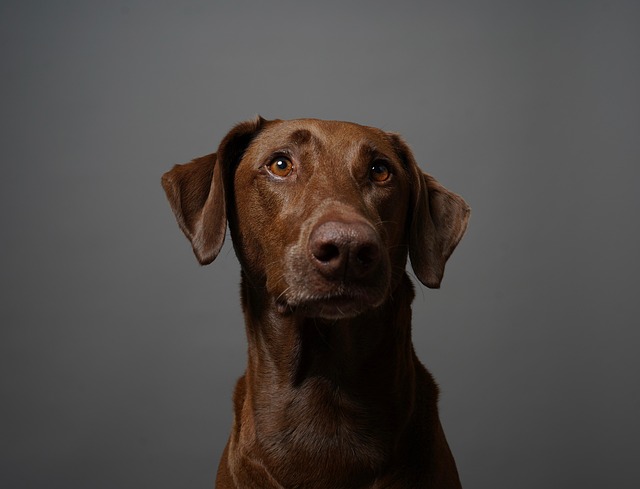
What is glaucoma in a dog?
You might notice your dog squinting more at mealtime or avoiding bright sunlight—these small changes could be early signs of a serious eye condition.
You might have noticed your pup spending extra time licking their lips lately—maybe their mouth looks a little puffy, or there’s a red, irritated patch along the lip line. That’s often lip dermatitis in dogs, and it’s more common than you’d think, especially if your dog loves snooping through grass, chewing on sticks, or even just drooling after a big drink. It can make mealtimes tricky, too, as the inflammation might make them shy away from their bowl.
Lip dermatitis in dogs usually starts when something irritates the delicate skin around the mouth. Maybe it’s a new food they’re reacting to, a bug bite, or even bacteria from licking their paws after a walk in the park. The skin gets dry, cracked, and itchy, which makes them lick more—and that only worsens the cycle. Think of it like a chapped lip that won’t heal because you keep biting it, but for your dog.
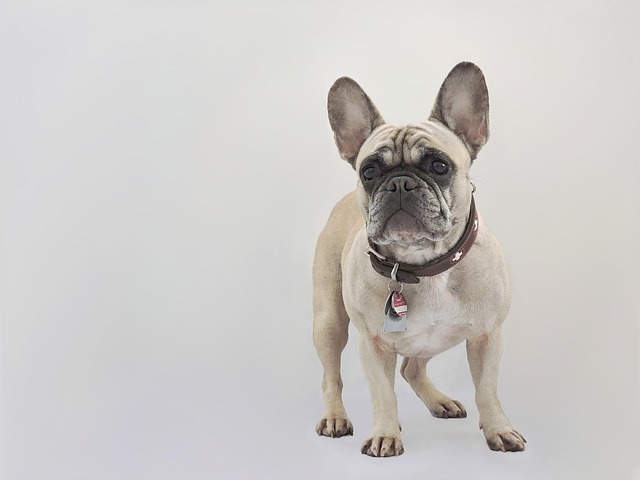 Treating it starts with gentle care. Grab a soft cloth and warm water to gently wipe the area a couple times a day—no harsh soaps, which can sting. Then, check in with your vet. They might suggest a mild ointment or even an antihistamine if allergies are the culprit. While applying it, keep things positive: a tiny treat afterward helps your dog associate the process with good stuff, not stress.
Staying on top of prevention ties into daily routines, too. If you’re in an apartment, make sure their food and water bowls are cleaned daily—gunk buildup can irritate their lips. When out for walks, keep an eye on what they sniff or munch on; some plants or debris might trigger a reaction. And don’t forget: regular vet checkups (including those required vaccines) aren’t just for compliance—they help catch little issues before they become big ones.
Finally, remember that your community plays a role. If your dog’s lip dermatitis makes them a bit cranky, keep interactions with other pets calm and controlled during walks. Always clean up after them, too—good habits keep shared spaces happy for everyone. With a little patience, gentle care, and consistency, that irritated lip will be back to normal, and your pup will be back to their usual playful self.
You might notice your dog squinting more at mealtime or avoiding bright sunlight—these small changes could be early signs of a serious eye condition.

Let’s set the scene: It’s a sweltering Phoenix afternoon—105°F outside—and you rushed your 2-year-old Lab mix, Cooper, on a quick walk to “get it over with.”

Let’s get real: You’re in your Miami apartment, watching your 3-year-old Corgi, Loki, struggle to climb the stairs to your second-floor unit.
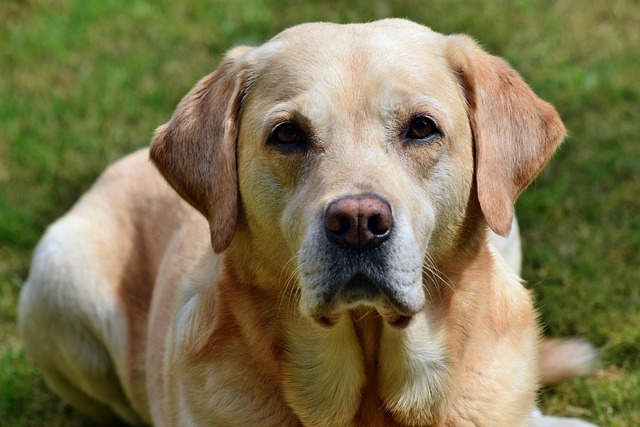
Many dog owners brush off occasional scratching as just “dog behavior,” but persistent itching often signals something more—like a food allergy.
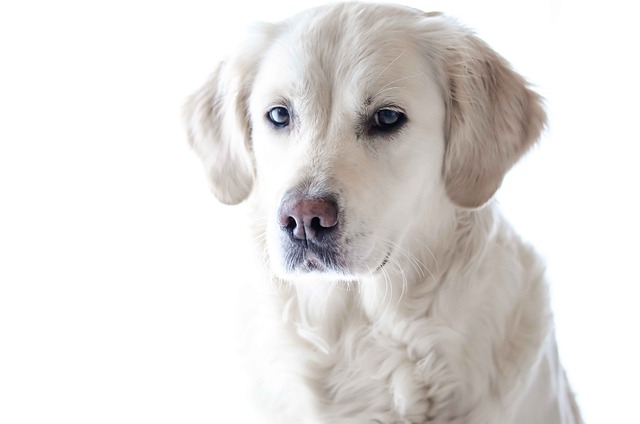
You might first notice your dog scratching more than usual—chewing at their paws until the fur looks thin, or rubbing their face against the couch nonstop.

Let’s be real: You’re standing in your Chicago apartment, watching your 3-year-old Beagle, Max, huff and puff just to climb onto the couch.