

What is glaucoma in a dog?
You might notice your dog squinting more at mealtime or avoiding bright sunlight—these small changes could be early signs of a serious eye condition.
Rickets in puppies shows up quietly at first—maybe a wobbly gait when they trot across the kitchen, or legs that seem to bend a little too much when they stand. It’s a condition tied to deficiencies, usually in vitamin D, calcium, or phosphorus, and left unchecked, it can warp their growing bones permanently. Catching it early makes all the difference, so keep an eye out for those subtle signs, especially in large breeds that grow quickly.
First step? A trip to the vet. They’ll likely run blood tests to check nutrient levels and maybe take X-rays to see how the bones are developing. Don’t skip this—self-diagnosing can do more harm than good. Some owners try boosting vitamins on their own, but too much of certain supplements, like vitamin D, can be toxic. Your vet will tailor a plan based on your puppy’s specific needs.
Adjusting their diet is usually key. High-quality puppy food formulated for their breed size is a must—look for labels that meet AAFCO standards, which are widely recognized across the US and Europe. Your vet might recommend adding a calcium supplement, but only in precise doses. For example, a 12-week-old Labrador pup needs a different balance than a tiny Chihuahua, so one-size-fits-all products rarely work.
 Sunlight plays a role too. Puppies need short, supervised sessions in the sun—10 to 15 minutes a day—since their skin makes vitamin D when exposed to UV rays. Just be careful with delicate breeds or those with light fur; they burn easily. In places like Scandinavia, where winters are dark, your vet might suggest a vitamin D supplement to make up for the lack of natural light.
Exercise matters, but moderation is critical. Gentle play on soft surfaces, like grass or a yoga mat, helps strengthen muscles without straining weak bones. Avoid roughhousing or letting them jump off furniture—those activities can worsen bone deformities. Think slow walks instead of fetch marathons, especially in the early stages of treatment.
In many European countries, like the UK, pet owners are legally required to provide "a suitable diet" to prevent health issues, which includes addressing deficiencies that cause rickets. In the US, animal welfare laws vary by state, but neglecting a puppy’s nutritional needs can lead to penalties. Keeping records of vet visits and diet changes isn’t just good practice—it can protect you legally if questions arise.
Recovery takes time, often months, as bones slowly strengthen and straighten. You’ll notice small improvements: a steadier walk, more energy during play. Stick to the vet’s plan, even when progress feels slow. With the right mix of nutrients, care, and patience, most puppies bounce back fully, growing into strong, healthy dogs ready for all life’s adventures.
You might notice your dog squinting more at mealtime or avoiding bright sunlight—these small changes could be early signs of a serious eye condition.

Let’s set the scene: It’s a sweltering Phoenix afternoon—105°F outside—and you rushed your 2-year-old Lab mix, Cooper, on a quick walk to “get it over with.”

Let’s get real: You’re in your Miami apartment, watching your 3-year-old Corgi, Loki, struggle to climb the stairs to your second-floor unit.
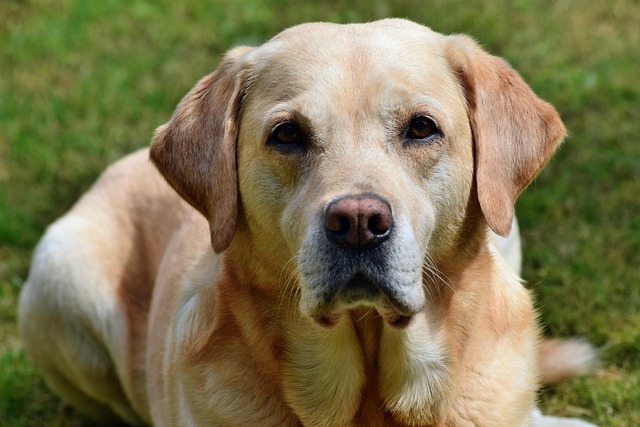
Many dog owners brush off occasional scratching as just “dog behavior,” but persistent itching often signals something more—like a food allergy.

You might first notice your dog scratching more than usual—chewing at their paws until the fur looks thin, or rubbing their face against the couch nonstop.

Let’s be real: You’re standing in your Chicago apartment, watching your 3-year-old Beagle, Max, huff and puff just to climb onto the couch.